

Aviator Sunglasses: Cool Confidence for All Seasons
The Sunglass Shape That Flatters Everyone
Why I Love Aviators
When I slip on a pair of aviator sunglasses, I feel an instant boost of
confidence that never comes across as loud or showy, and it is more like a quiet
strength, the way you feel when you stand up straight and look someone in the
eye. The simple metal frames and familiar shape give me a sense of polish even
when I am tired or not wearing much makeup. I like that they hide my eyes just
enough to give a bit of mystery, yet people can still see my expressions. That
balance between coverage and openness makes them feel powerful but still warm
and approachable, which is exactly how I want to present myself as a woman in
everyday life. With aviators, I do not feel like I am trying too hard, but I
still feel put together and ready for anything the day brings.
Aviator sunglasses are one of those rare accessories that move easily from
casual to dressy, so they earn a permanent place in my handbag. I can wear the
same pair with jeans and a T‑shirt when I run errands in the morning, then keep
them on later with a tailored blazer or a simple dress for dinner. The clean
lines and metal frames work well with almost any fabric or style, from denim and
cotton to silk and leather. Because they are not covered in logos or busy
details, they never clash with my outfits, and that saves me time when I am
getting dressed. I love having a go‑to piece that makes my wardrobe feel more
cohesive without needing a huge collection of different sunglasses for every
event.
One thing I appreciate about aviators is how kind they are to many different
face shapes, so I rarely stress about whether they will suit me on a particular
day. The curved lenses and slim bridge create a natural frame around the eyes
that works with soft features and stronger jawlines alike. When I travel or shop
with friends, I notice that the same basic aviator style can flatter women with
round faces, sharp cheekbones, or narrow chins, and that is not true for every
sunglass shape. Because I know aviators are forgiving, I feel free to play with
colors and lens finishes instead of worrying that the shape will fight with my
features. That sense of ease is a big part of why I keep coming back to them
over other trendy frames.
Aviators also feel truly timeless to me, so I wear mine in every season instead
of packing them away with summer things. In spring they add a fresh, bright
touch to light layers, and in summer they are a daily essential for strong
sunlight at the beach or in the car. When autumn arrives, the same pair suddenly
looks a little more rugged and cool with boots and jackets, and by winter they
become a sharp contrast to cozy scarves and wool coats. Year after year, I see
aviators in old photos, in new campaigns, and on women of all ages, and they
never look out of place. Knowing they will not go out of style next year makes
me more willing to invest in a quality pair that fits my life and my values
instead of chasing every short‑lived trend.
What Makes Aviators Timeless

The classic teardrop lens shape is one of the main reasons aviators are so
flattering, because it gently balances strong angles and softens features
without hiding your face. The wider top of the lens covers the brow area and
upper cheek, which helps even out a strong jaw, a wide forehead, or a pointed
chin. As the lens narrows toward the bottom, it creates a graceful line that
draws the eye down in a smooth curve instead of a harsh straight edge. I find
this shape especially helpful when I feel my face looks a bit puffy or tired,
because it gives a more lifted, refined look on days when I need a little extra
help. It is a simple design, yet it does the kind of subtle shaping that people
usually try to get with makeup and contouring.
Thin metal frames give aviator sunglasses that light, classic feeling that works
so well on a woman's face, especially if you like a feminine and clean look.
Instead of heavy plastic that can overwhelm delicate features, slim metal
outlines the lenses without blocking your skin or your natural expression. I
like how a fine gold or silver frame can echo my jewelry and pick up the warm or
cool tones in my skin. Because the frame is not thick, the glasses sit almost
like a piece of jewelry on the face, which keeps the look elegant rather than
bulky. This kind of lightness also makes the glasses more comfortable to wear
all day, so I am less likely to take them off and lose them in my bag.
Reflective or gradient lenses add style to aviators in a way that still feels
tasteful and not overpowering, so they work with many outfits. A mirrored lens
can give a modern, sporty edge and is great when I am at the beach or hiking,
while a soft brown or gray gradient lens feels more classic and gentle for city
days or brunch. These finishes let me express my personality without covering my
face in bright neon colors or huge logos, which is not my taste. I also like
that gradients let more light in at the bottom, so I can read my phone or menus
more easily while keeping the upper eye area shaded. When I choose lens
finishes, I think about how they will look in photos, in bright sun, and even on
cloudy days, because the right finish gives just the right amount of presence
without stealing the whole show.
Aviators mix beautifully with other women's accessories I already love, like
light scarves, simple necklaces, and classic earrings, which makes styling easy
and fun. A printed scarf can add color and texture around the neck, while the
clean lines of the aviators keep my face from feeling too busy. A small pendant
or delicate chain sits nicely below the strong brow line of the glasses,
creating a balanced vertical line from head to chest. I usually skip huge
statement pieces near my face when I wear aviators, because I want the whole
look to feel calm and coordinated. When I get this mix right, the sunglasses
look like a natural part of my outfit instead of something I just threw on at
the last minute.
A Quick History: From Pilot Gear to Fashion Staple

Aviator sunglasses started out as serious work gear in the 1930s, when they were
designed for pilots who needed protection from intense glare at high altitudes.
The early pairs were made with large, curved lenses that covered a big part of
the eye area to block sunlight from many angles, which helped pilots see better
and reduced eye strain during long flights. The teardrop shape made sense in the
cockpit because it followed the natural shape of the human eye socket and left
room for an oxygen mask. At that time, nobody was thinking about street style or
fashion shows; the focus was safety and performance. I like that this practical
beginning still influences the design today, because it means that even the most
stylish aviators usually keep some of that original function.
After World War II, aviators started to move from the cockpit into everyday life
as people looked up to pilots and military heroes as strong, brave role models.
Photos of servicemen returning home in their uniforms often showed them wearing
aviator sunglasses, and that image of courage and calm under pressure really
stuck in the public mind. Men and women wanted a small piece of that feeling for
themselves, so brands began selling similar frames to civilians. The style
slowly shifted from a strict uniform item to a fashionable accessory, but it
kept that link to discipline and duty. I think that history adds a layer of
meaning when I wear mine, because I remember that confidence should come with
responsibility and good character, not just a cool image.
Hollywood took the aviator shape and turned it into a true cultural icon when
film stars and musicians began wearing them on and off screen. Classic movies
about fighter pilots, police officers, and tough heroes often showed them
slipping on their aviators before facing danger, and that moment became part of
the story. Rock musicians and pop stars later adopted the look for stage and
street, which gave aviators a rebellious edge while still keeping that sense of
authority. Magazine covers and music videos spread these images worldwide, so
people from many countries began to see aviators as a symbol of independence,
adventure, and style. Even today, when I see old photos of famous actors in
aviators, the glasses never look dated, which says a lot about their lasting
power.
Now aviators sit at a perfect point between function and fashion, offering real
sun protection while still looking sharp and modern in everyday life. Modern
lenses often come with polarization, UV coating, and scratch resistance, so the
glasses work just as hard as they did for pilots decades ago, only now in cars,
at the beach, and on city streets. At the same time, brands play with frame
colors, finishes, and small design details so we can choose a pair that fits our
personal taste without losing the classic shape. I like that I do not have to
choose between my eye health and my style when I wear aviators, because they
cover enough of the eye area and sit close enough to the face to really block
the light. For me, that mix of beauty and purpose is what makes them such a wise
long‑term choice.
Choosing the Right Aviators for Your Face Shape
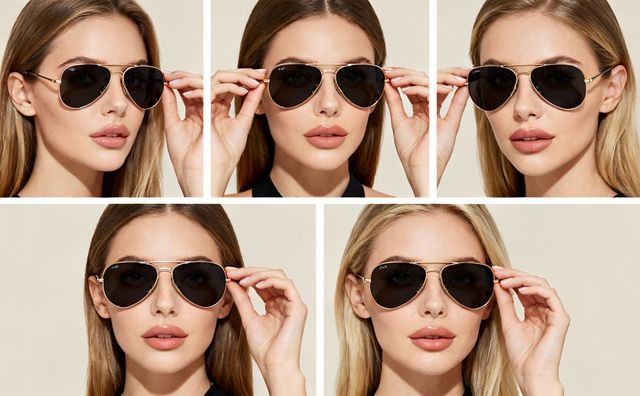
When I shop for aviator sunglasses, I always start by identifying my face shape,
because it gives me a clear guide before I try on half the store. The main
shapes I look at are oval, round, square, heart, and diamond, and I check my
mirror to see where my face is widest and narrowest. I pull back my hair, look
straight ahead, and trace the outline of my face with my finger to notice if my
forehead, cheeks, or jaw stand out more. Knowing my face shape helps me avoid
styles that fight against my natural lines and instead choose frames that bring
balance and softness. It is not about changing the way God made my face, but
about highlighting the features I like and keeping everything in harmony.
If you have an oval face, you are blessed, because this shape works well with
almost all aviator styles, though I still pay attention to size. When my face
looks a bit more on the petite side, I avoid very oversized lenses that could
hide my cheeks and make my features disappear. I look for lenses that end just
above my cheekbones and do not sit too far past the sides of my face, because
that keeps the frame in proportion. Slim metal pieces and medium lens sizes
usually look best, and I can enjoy playing with lens colors and finishes more
freely. With an oval face, the main goal is not to overpower your natural
balance, so I stay away from extreme shapes or super thick frames.
Round faces often look very sweet and youthful, and aviators can add a little
structure and definition in a gentle way. I like to suggest slightly larger
lenses with a bit more angle at the top frame to create the impression of length
and a more oval outline. A top bar that sits straight and firm across the bridge
of the nose can also help break up the roundness without feeling harsh. I
usually avoid very small or perfectly round lenses on this face shape, because
they can make the face look even fuller. Instead, a medium to large teardrop
lens with a slightly squared upper edge gives a nice slimming effect while
keeping the look soft.
Square faces have strong jaws and broad foreheads that can look very striking,
and classic teardrop aviators are wonderful for softening those bold lines. I
find that thin metal frames work best here, because heavy plastic can add too
much weight and make the features appear harder. The curved lower edge of the
lens gently rounds off the sharpness at the jawline and cheek, giving a more
graceful outline from temple to chin. I look for pairs where the lenses extend
just a little past the widest part of the face, because that keeps everything in
proportion without widening the look. Warm metal tones like gold or rose gold
can also soften the overall impression, adding warmth to the skin and a feminine
touch.
Heart‑shaped faces, which are wider at the forehead and narrower at the chin,
look lovely in aviators that have slightly wider lenses at the top to balance
the shape. When I pick frames for this face type, I seek out styles with a
gentle curve and a bit of width near the temples to even out the narrower jaw. I
like to pair these sunglasses with hairstyles that have some volume at the sides
or the top, such as soft waves or a half‑up look, to keep the forehead from
feeling too dominant. Avoiding frames that are very narrow at the top or too
tiny helps prevent the chin from looking overly small. With the right pair, the
eyes become the focus, and the overall effect is sweet and balanced rather than
top‑heavy.
Lens, Frame & Fit: What Matters Most
For my lifestyle, polarized lenses are a must, because they cut harsh glare from
roads, water, and glass, which makes them my top pick for driving and outdoor
time. When I am on the highway or walking near water, that glare can be tiring
on my eyes and even unsafe if I cannot see clearly. Polarized lenses work by
filtering out certain light waves, so reflections from flat surfaces become much
less intense and details appear sharper. This helps me feel more relaxed and
focused, especially on long drives or bright afternoons. If you spend a lot of
time outdoors, I think it is worth paying a little extra for this feature in
your aviators.
Along with polarization, I never compromise on UV protection, because protecting
my eyes from the sun is as important as protecting my skin. I only buy
sunglasses that clearly state they block 100 percent of both UVA and UVB rays,
and I check the label or product description carefully. Without proper UV
protection, even dark lenses can let in harmful rays, which may cause long‑term
damage to the eyes and the delicate skin around them. I see good UV protection
as part of basic stewardship of my body, not as a luxury. Once I know a pair
meets that standard, I feel much more comfortable wearing it daily and even
encouraging others to do the same.
Frame material makes a big difference in how my aviators feel after hours of
wear, so I pay attention to whether they are made from titanium, stainless
steel, or other metals. Titanium is very lightweight and strong, which is
wonderful if you are sensitive around your nose or ears, though it can cost
more. Stainless steel is a bit heavier but still comfortable and usually more
affordable, offering a nice balance between price and comfort. I try to avoid
cheap metal that can bend easily or leave green marks on the skin, because that
usually means poor quality. When I try on a new pair, I gently move my head
around to see if the frames stay in place without pinching, because comfort is a
daily issue, not a small detail.
Lens color is another factor that changes how I see the world through my
aviators, and I choose it based on what I do most often. Brown or amber lenses
increase contrast and depth, which helps when I drive or walk on trails, because
edges and details stand out more clearly. Gray lenses keep colors closer to
natural, which I like when I want a more neutral view without a warm or cool
tint, especially in cities or when I am shopping. Green lenses can also offer a
nice middle ground with good contrast and a pleasant tone. I think about where I
live, what the light is usually like, and how I want to feel when I look through
my glasses before I decide on a color.
Fit around the nose and temples can make or break a pair of aviators, so I
always test that carefully before buying. I prefer frames with adjustable nose
pads, because I can shape them gently to sit well on my nose bridge without
sliding down or leaving red marks. At the temples, the arms should feel snug but
not tight, and they should follow the curve of my ear without digging in. If I
feel pressure right away, I know that discomfort will only get worse as the day
goes on. A good fit means I can bend down, walk fast, or look up and down
without my sunglasses slipping, which helps me relax and forget I am even
wearing them.
Styling Aviators Through the Seasons

In spring, I love pairing aviators with light scarves, floral dresses, and soft
pastel accessories to match the fresh feeling of the season. A simple printed
scarf tied loosely around my neck adds movement and a bit of pattern, while the
clean lines of the aviators keep my face from getting lost. Floral dresses in
gentle colors like blush, sky blue, or soft green look lovely with gold or rose
gold frames, which add warmth without clashing. I often choose gradient lenses
in brown or gray for spring, since they feel lighter and match the softer
sunlight. The overall effect is feminine and breezy, yet still polished enough
for lunch dates or Sunday gatherings.
In summer, my aviators become a daily essential, and I reach for thin metal
frames and mirrored lenses that handle bright sun and heat. Light frames do not
feel heavy or sticky when the temperature rises, and they breathe better around
my temples when I wear my hair up. Mirrored lenses offer extra glare protection
at the pool, beach, or while driving, and they give a fun, sporty look that
works well with sundresses and casual outfits. I like to pair them with
wide‑brim hats for extra shade and skin protection, making sure the hat brim
does not push the frames down. Neutral or metallic frames are easy to wear with
bikinis, cover‑ups, and simple sandals, which keeps my packing list short when I
travel.
Autumn is one of my favorite seasons for styling aviators, because they look
amazing with leather jackets, ankle boots, and warm‑toned jewelry. I often
choose frames in warm metals like gold or bronze and pair them with lenses in
brown or copper shades to echo the colors of falling leaves. A fitted leather or
faux leather jacket adds structure, while the curved aviator lenses soften the
look and keep it from feeling too tough. Ankle boots and a simple knit sweater
complete the outfit, and I add small hoop earrings or a delicate chain in a
matching metal. This mix of strong and soft pieces makes me feel confident,
feminine, and ready for busy days as the weather cools.
In winter, I rely on aviators with darker frames and polarized lenses to handle
the low, bright sun that can bounce off snow, wet roads, or pale buildings. Dark
metal or even thin black frames feel appropriate with heavy coats and wool
fabrics, and they give a focused, serious look that I appreciate in the colder
months. Polarized lenses are especially helpful when there is snow or rain,
because they cut reflections that can be blinding at certain times of day. I
like to wear a cozy scarf that can tuck comfortably around the collar of my coat
and sit neatly under the arms of my sunglasses, so nothing feels crowded around
my neck and face. This way, my winter outfits look tidy and intentional instead
of bulky and messy.
No matter the season, I try to layer my accessories so that my aviators stay the
star and my look remains simple and feminine. That usually means choosing one or
two classic pieces like a small necklace and simple stud or hoop earrings rather
than stacking lots of bold items. When too many details compete near my face,
the beauty of the aviator shape gets lost, and the whole outfit feels noisy.
Keeping the accessories calm and coordinated lets the sunglasses frame my eyes
and cheekbones the way they are meant to. This gentle, restrained approach to
style feels more elegant to me and keeps my outfits from looking cluttered in
photos or in person.
Care, Repair, and Longevity
To protect my aviators from everyday damage, I always store them in a hard case
when I am not wearing them, instead of tossing them loose into my bag. A good
case shields the lenses from keys, pens, and other sharp items that tend to
collect at the bottom of purses and backpacks. At home, I keep the case in the
same spot near the door so I do not lose track of my sunglasses. This simple
habit has saved me from countless small scratches and crooked frames over the
years. It is a small act of care that helps an investment piece last much
longer.
When it comes to cleaning, I only use a microfiber cloth and proper lens
cleaner, because rough fabrics can scratch the lenses or remove protective
coatings. It can be tempting to wipe sunglasses on a T‑shirt or paper towel,
especially when I am on the go, but those fibers can be harsh and leave tiny
marks. I spray a little cleaner on both sides of the lens, then gently polish in
small circles until the surface is clear. If I do not have cleaner with me, I at
least use the microfiber cloth alone rather than anything else. Taking an extra
minute to clean them this way keeps the lenses clear and extends the life of any
special coatings like polarization or anti‑glare.
Over time, even good frames can loosen or show wear, so I keep a tiny
screwdriver on hand to tighten screws at the hinges when they start to wiggle. A
quick turn or two prevents the arms from becoming floppy or, worse, falling off
at a bad moment. I also watch the nose pads for signs of wear, such as
yellowing, cracking, or losing their grip. When that happens, I replace them
with new pads, which is an easy and inexpensive fix that makes the glasses feel
almost brand new on my face. Staying on top of these little repairs keeps the
frames comfortable and prevents small problems from turning into big ones.
Before I buy a new pair of aviators, I like to check the brand's warranty and
repair options, because that tells me a lot about their quality and service.
Some companies offer coverage for defects, discounted lens replacements, or free
adjustments, while others leave you on your own once you walk out the door. I
prefer brands that clearly explain how long the warranty lasts and what it
covers, and that have simple ways to get parts or service. If I can send my
sunglasses in for repair instead of throwing them away, I save money and reduce
waste. This kind of support makes me feel more secure spending a bit more on a
well‑made pair.
With these simple care habits, a quality pair of aviators can easily last
several years while staying stylish and comfortable. Proper storage, gentle
cleaning, and tiny repairs take only a few minutes, but they protect both the
function and the look of the sunglasses. Classic aviator design does not change
much over time, so a well‑kept pair will not suddenly feel outdated next season.
I like knowing that I can rely on the same trusted frames through many outfits,
trips, and seasons. It reminds me that good stewardship of what we own is both
practical and wise, and that slow, thoughtful style beats fast fads in the long
run.
Where to Buy: Brands, Price Points, and Ethics

When choosing aviators, I always recommend trying on several brands and styles,
because fit and comfort can vary more than you expect, even with similar shapes.
Well‑known brands often provide more consistent quality in their hinges,
coatings, and materials, which can make a difference over time. That said, a big
name does not guarantee the best fit for your nose, ears, or face width, so I do
not let the label make the decision for me. I move my head around, smile, and
look down while wearing each pair to see if anything pinches or slips. The best
pair is the one that feels like part of you, not the one with the most famous
logo.
Price ranges for aviator sunglasses can be wide, so I like to have a clear idea
of my budget before I shop. Budget options under $50 can be fun for trying
trends or keeping a spare pair in the car, though I always double‑check the UV
claims. Mid‑range sunglasses between $100 and $250 usually offer better lenses,
stronger frames, and more reliable polarization, which is where many good
everyday aviators sit. Designer brands at $250 and up often bring premium
materials, name recognition, and extra attention to detail, but you should be
sure the quality matches the price. I see cost as a mix of performance,
durability, and how often I will wear them, not just the status of the label.
When I look at brands, I focus on whether they offer real UV protection and
polarization rather than just chasing the latest fashion label. Some trendy
brands spend a lot on marketing and style, but cut corners on lens quality,
which defeats the purpose of wearing sunglasses. I read product descriptions
carefully and, if possible, check reviews from other buyers who mention eye
comfort, clarity, and long‑term wear. It matters to me that my eyes are truly
shielded from the sun, not only covered by dark tinted plastic. Once I find a
brand that balances style and proper protection, I tend to return to it when I
need another pair.
If sustainability and ethics are important to you, it is worth taking a little
extra time to find brands with clear sourcing, responsible factories, or
recycling programs. Some companies publish information about where their frames
are made, how they treat workers, or how they reduce waste in their packaging.
Others might offer repair services, replacement parts, or take‑back programs for
old frames, which can be a more responsible way to shop. I like to support
brands that show respect for people and resources, even if that means saving up
a bit longer to buy from them. It feels better to wear something that aligns
with my values as well as my style.
In my own wardrobe, I usually keep one reliable splurge pair of aviators that I
treat carefully, along with a couple of more affordable backups for travel or
active days. The higher‑end pair is my daily favorite for work, church, and
times when I want to feel especially polished. Cheaper pairs come with me to the
beach, on hikes, or in situations where I might lose or scratch them, so I can
relax and enjoy the moment. This mix keeps me from feeling scared to use my nice
sunglasses, while also avoiding constant replacements of low‑quality ones. It is
a practical balance that respects both my budget and my desire for long‑lasting,
beautiful pieces.
Aviators in Pop Culture & Why They Matter
Over the years, aviators turned into a symbol of cool partly because actors and
musicians kept wearing them in public and on screen, shaping how all of us see
the style. Iconic movie scenes often show a hero sliding on aviators before
facing a challenge, and concert photos capture performers hiding their eyes
behind reflective lenses. These images send a message of calm confidence,
mystery, and control that many people want to copy in everyday life. When stars
wear the same style for decades, it quietly teaches us that aviators are not
just a passing trend. I think that steady presence in popular culture is one
reason they still feel fresh and powerful today.
Aviators send a mixed but appealing signal of authority and approachability,
which can be helpful for public figures and also for everyday women like me. The
strong brow line and dark lenses bring a sense of seriousness and protection, as
if you are not easily shaken. At the same time, the delicate metal frame and
open shape show enough of your face to keep you from looking cold or closed off.
This balance makes aviators a good choice when I want to look capable but still
friendly, whether I am driving, running errands, or meeting new people. They
help me feel steady and secure without losing my warmth or femininity.
For me, aviators are one of the easiest ways to create a signature look that
stands out quietly, without loud logos or heavy decoration. When I wear the same
well‑chosen pair regularly, people begin to recognize me by that detail, and it
becomes part of my personal style story. I do not need huge frames, bright
colors, or trendy shapes to draw attention; the classic aviator outline does the
work with grace. This suits my personality, because I prefer modest, thoughtful
style over anything that shouts for notice. A clean pair of aviators says that I
care about how I present myself, but that I do not need to rely on flash to feel
confident.
Even as trends come and go, aviators keep showing up in fashion shows, street
style photos, and everyday life, which proves their staying power. Designers may
change the size, color, or small details from season to season, yet the basic
shape returns again and again. On city streets, I see women of many ages and
backgrounds wearing aviators with everything from gym clothes to tailored coats.
This constant presence tells me that investing in a good pair is a wise choice,
because I will not feel out of style next year. Instead of chasing every new
shape, I can refine the aviators I love and let them anchor my wardrobe for
years.
My Favorite Looks and Picks

For my everyday outfits, I reach most often for thin gold aviators with brown
gradient lenses and small gold hoops, because they match almost everything I
own. The gold frame warms up my skin tone, and the brown gradient feels soft and
easy on my eyes from morning to evening. Small hoops echo the metal of the frame
without drawing too much attention on their own, so the whole look stays
balanced and feminine. I usually wear this combo with jeans, simple tops, and
light makeup, and it always looks presentable without a lot of effort. It has
become my default pairing when I am not in the mood to experiment but still want
to look neat and polished.
On relaxed weekends, I like to switch to matte black aviators with polarized
gray lenses and a denim jacket for a slightly tougher, more casual look. The
black frame feels modern and pairs well with simple T‑shirts, leggings, or
casual dresses, and it is especially forgiving if I am not wearing much makeup.
Polarized gray lenses help when I am driving, walking the dog, or sitting
outside at a café, because they keep my vision clear and reduce eye strain. The
denim jacket adds texture and structure without looking too formal, and it works
in many climates with layers underneath. This outfit feels practical,
low‑maintenance, and still stylish enough for errands or a casual date.
When I decide to splurge, I look for aviators with polished titanium frames,
high‑quality mirror coatings, and comfortable adjustable nose pads, because
those details make a difference in long‑term wear. Titanium keeps the frames
very light on my face, so I can wear them all day without feeling pressure on my
nose or ears. A good mirror coating not only looks sharp but also improves glare
control and resists scratches better than cheaper finishes. Adjustable nose pads
let me fine‑tune the fit so the lenses sit exactly where I want them, which
helps them look more flattering. This kind of investment pair becomes my go‑to
for special occasions or times when I want to feel especially put together.
When I travel, I follow a simple system so I am not caught without sunglasses or
heartbroken over a lost favorite pair. I keep my best aviators in a hard case in
my carry‑on bag, along with a soft pouch so I can slip them safely into my purse
during the day. In my checked luggage, I pack a cheap but decent backup pair
that I can wear to the beach, on boats, or for rougher activities without worry.
That way, if something happens to the backup, I still have my main pair safe and
sound. This approach lets me enjoy my trip fully while protecting the investment
I made in a quality set of frames.
Overall, I choose aviator styles that truly match my wardrobe colors, my daily
habits, and my comfort needs, because practicality matters to me more than
chasing every new trend. I pay attention to which metals work best with the
jewelry and hardware on my bags and shoes, so everything feels coordinated. I
also think about how long I will be wearing my sunglasses each day and pick
frames that stay comfortable and secure. When I get these basics right, I feel
more confident walking out the door, knowing my look is both pretty and
sensible. Comfort comes first, trend comes second, and that order has never
failed me.
Final Tips and Confidence Boosters
When it comes to picking a pair of aviators, I always remind myself to trust my
gut, because how they make me feel matters as much as how they look. If I put on
a pair and suddenly stand a little taller, smile more easily, or feel more at
ease, that is the best sign that they suit me. Sometimes a style that looks
perfect in photos or on a friend does not give me that inner confidence when I
try it on myself, and that is okay. I would rather walk out with a simpler pair
that feels right in my heart than chase something that does not match my own
personality. Style should serve who you are, not the other way around.
I also see sunglasses as part of my daily self‑care routine, not just a fashion
detail, because good sun protection keeps my eyes and skin healthier over time.
Making a habit of grabbing my aviators whenever I pick up my keys helps me
remember to treat them like sunscreen for my eyes. On bright days, I feel less
tired and strained when I wear them, especially if I am driving a lot or
spending time outdoors. This small act of care is one way I honor the body God
gave me and protect my long‑term vision. It is a simple, practical discipline
that pays off in comfort now and health later.
When I style aviators, I like to keep the rest of my accessories simple and
classic so the whole look stays elegant and feminine. A delicate necklace, a
slim watch, or a pair of small hoops can frame my face without fighting with the
strong lines of the glasses. I avoid very flashy or oversized pieces around my
face because they can make everything feel crowded and distract from my natural
features. By keeping things clean and modest, I let the aviators play their role
without controlling the entire outfit. This gentle approach to accessorizing
helps me feel more like myself rather than dressed up in a costume.
In my experience, a well‑chosen pair of aviators can lift both an outfit and my
mood, giving me a quiet sense of confidence as I go through my day. On mornings
when I feel a little tired or plain, putting on my favorite frames helps me feel
more ready to face people and tasks. The right pair becomes a steady companion
that fits into many moments, from errands and church to travel and time with
friends. If you have never tried aviators seriously, I encourage you to try a
few shapes and finishes and notice how they make you feel. You might find that
one special pair that becomes part of your story and serves you well in every
season.