
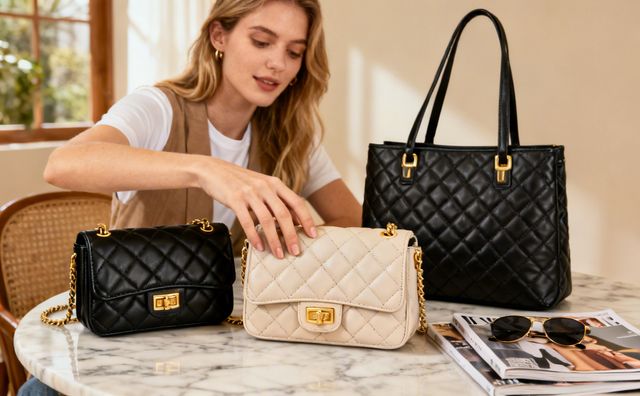
Quilted Bags: Iconic Texture, Lasting Style
Classic Patterns for Modern Wardrobes
Why Quilted Bags Still Matter
When I think about why quilted bags keep coming back every season, it really
starts with how they look and feel in your hands, because the stitched texture
gives the eye something interesting to rest on, the padded body holds its shape,
and the clean lines instantly make even a basic outfit look more finished and
put together without much effort at all. Quilting adds a quiet luxury that does
not scream for attention, yet it still makes a bag feel special, and that mix of
texture and structure gives a sense of polish that you usually only see in
higher end pieces. For many women, a quilted bag does the same job as good
makeup or a neat blazer, since you can throw it on with simple clothes and you
still look like you tried. That is the real core appeal for me, because the
right bag should make your life easier and your style sharper at the same time.
Quilting is like contour for a handbag, because the raised and tucked areas
catch the light in different ways and turn a flat piece of leather or fabric
into something sculpted, which helps a simple rectangle or flap bag suddenly
look iconic. When the pattern is planned well, it guides your eye along the bag
and highlights the shape, so even a very plain silhouette can feel rich and
memorable. This is why many of the most famous bags use a basic form and rely on
quilting for personality, since the design does not date as quickly as prints or
logos. I love how a quilted surface can look soft yet strong at once, and that
balance is part of what makes these pieces stand out in a sea of plain totes and
loud trends.
Most of us need bags that do more than look pretty on a shelf, and quilted bags
are popular because they move easily from a busy daytime schedule to a dinner or
date night without needing a full outfit change. You can carry one with jeans,
sneakers, and a tee in the morning, then keep the same bag with a dress or heels
at night, and it still feels right for the occasion. The padded texture feels a
bit dressier than a plain canvas or nylon bag, yet it is not as formal as a tiny
clutch that only works for parties, so it hits that sweet spot in the middle.
That is why so many women see a good quilted bag as a wardrobe workhorse that
lifts simple clothes into a full look.
Another big reason quilted bags stay in style is the way they blend heritage
with modern ideas, since the basic pattern often comes from old world craft, but
designers keep reworking it through new colors, shapes, and details so it never
feels stuck in the past. When I look at the market, I see classic diamond
quilting sitting right next to bold oversized patterns or sporty nylon versions,
and the story behind the stitches gives all of them a sense of history. This mix
lets women who love tradition and women who like trend driven pieces both enjoy
quilting in their own way, and that shared language keeps the style relevant
year after year. For me, it is comforting to carry something that has roots yet
still fits my current life and wardrobe.
A Short History: From Utility to Icon (Chanel and Beyond)
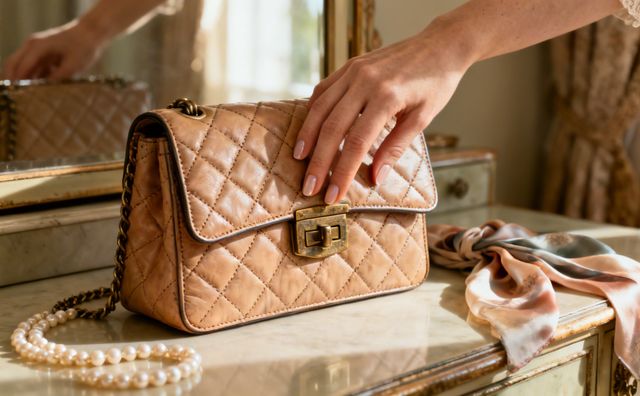
To really understand quilted bags, I like to walk through a simple timeline,
because quilting started as a way to keep people warm with padded blankets and
coats, then it moved into sturdy quilted leather for luggage and travel trunks
where the extra layers protected what was inside, and only later did designers
see the beauty in shrinking that same idea down into handbags. Early on, this
was more about function than style, since stitched layers added structure and
helped bags hold their shape on long trips. Over time, women began to notice
that the pattern itself looked elegant, and brands followed that interest with
softer, smaller pieces meant for everyday use. That journey from humble warmth
to luxury carry all is part of why quilting still feels rich with meaning today.
When people talk about quilted bags, the Chanel 2.55 almost always comes up,
because this bag turned a very practical idea into a true fashion symbol that
women still chase today. Coco Chanel was inspired by things around her like the
jackets worn by stable boys and the padded coats of riders, and she wanted a bag
that left a woman’s hands free, so she used quilting to give soft leather enough
structure to hang neatly from a chain strap instead of being carried only by
hand. The diamond pattern, the flap, and the clever pockets made it both useful
and beautiful, and over the years it became a sign of quiet status in many
cities around the world. I see the 2.55 as a turning point where quilting
stopped being just a craft and became a chic statement.
After Chanel came many other fashion houses that refined the look of quilting,
since each brand added its own twist and pushed the pattern into new shapes like
boxy shoulder bags, curved camera bags, puffier clutches, and sporty crossbodies
that matched changing trends. Designers played with different scales of
stitching, from tiny diamonds that felt very delicate to oversized puffs that
felt young and bold, and they also mixed in zippers, chains, and logos that made
the bags stand out in street style photos and magazines. As fashion cycles moved
from minimal to flashy and back again, quilting kept getting pulled into new
forms, which proves how flexible this simple pattern can be. I enjoy watching
how each decade puts its own stamp on quilting while the core idea stays the
same.
The oldest luxury houses did more than just popularize quilting, because they
quietly set the rules for what makes a quilted bag feel right, including how
tight the stitches should be, how the pattern must line up at the seams, how
thick the padding should feel, and how the hardware should balance the body of
the bag. Details like the weight of a chain strap, the shine of a turn lock, or
the size of a logo were all tested over years until they felt timeless. These
standards still guide both high end and mid range brands today, and when I look
at any quilted bag I always compare it in my mind to those benchmarks. When a
piece lives up to that level, it tends to age well and stay in a wardrobe far
longer than a trend bag that cuts corners.
Materials, Quilting Patterns, and What They Mean
When I shop or design, I always start with materials, and most quilted bags fall
into a few main groups like soft lambskin, sturdier calf leather, quilted nylon,
faux leather, and sometimes suede, with each one bringing a different level of
luxury, weight, and care needs. Lambskin feels incredibly smooth and plush to
the touch, which is why you see it in many designer classics, but it can scratch
and mark more easily, so it suits someone who is gentle with her things. Calf
leather is a bit tougher and can handle daily wear better while still looking
refined, and quilted nylon gives a light, sporty feel that works well for travel
or casual days. Faux leather and suede can offer a similar look at lower prices,
though they often need extra care to avoid cracks or stains, so it is important
to match the material to your lifestyle and budget.
The quilting pattern itself plays a huge role in how the bag feels, and the most
common ones are the classic diamond, the sharper chevron, and the straight
channel style, with each design sending a different message even when everything
else on the bag is the same. Diamond quilting has a soft, timeless look that
many people link with Parisian style and old movies, while chevron has a strong
V shape that feels more modern and a bit edgy. Channel quilting uses straight
lines that can run vertical or horizontal, and this often gives a clean, minimal
mood that works well for work bags. I like to think of these patterns like
different necklines on a dress, because a small change in angle or spacing can
change the whole attitude of the piece.
Hardware is the finishing touch that sets the mood of a quilted bag, and choices
like gold, silver, or gunmetal can completely shift how the same design reads
with your outfits. Warm gold often feels classic and feminine, and it pairs
nicely with creams, browns, and rich jewel tones, which is why many traditional
bags use it. Silver gives a cooler, fresher look that sits well next to black,
gray, and navy, and it can feel a bit more casual or modern. Gunmetal and darker
hardware bring a stronger, almost industrial mood that works if you like a
subtle, street inspired edge, and I often choose it when I want my bag to blend
in quietly instead of shining. By paying attention to hardware, you can pick a
quilted bag that truly supports your personal style.
How to Wear Quilted Bags: Styling Tips I Use
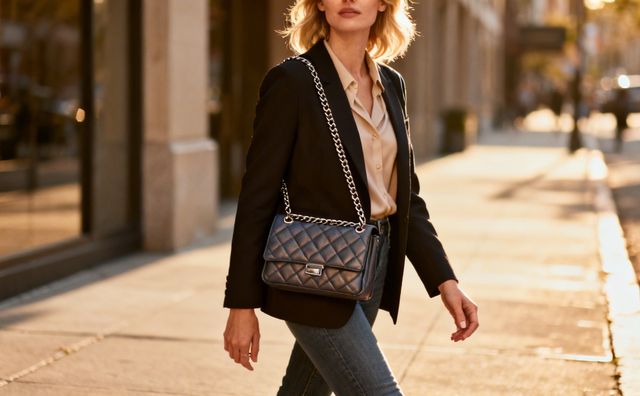
For daytime, I like a mid size quilted shoulder bag because it holds the basics
without feeling bulky, and it looks great with simple pieces like straight
jeans, a white or striped blouse, and classic loafers or flats. The quilting
adds a touch of softness and polish to an otherwise laid back outfit, so you
look ready for coffee with friends, errands, or a casual lunch without trying
too hard. If you live in a cooler climate, you can throw on a trench coat or a
light cardigan and the quilted texture will still show and add interest. This
kind of look proves that you do not need flashy logos or wild colors to feel
stylish in everyday life.
For work, I reach for a structured quilted tote or a top handle bag because
these shapes can carry larger items like a tablet, small laptop, notebook, or
planner while still looking neat and professional. The quilting keeps the bag
from feeling too stiff by adding a gentle texture, yet the firm base and clear
lines tell others that you take care with how you present yourself. I pair a bag
like this with tailored pants, a modest blouse, and maybe a blazer, and the
result is polished without being too formal. It is also important that the
straps are strong and comfortable on the shoulder or in the hand, since a
workday can be long and you want your bag to support you, not slow you down.
In the evening, I usually switch to a smaller quilted flap bag or a pretty
minaudière because these styles instantly dress up a simple outfit and draw
attention in the soft light of a restaurant or event. Even if I wear a basic
little black dress or a top with dressy trousers, the raised pattern and gleam
of the hardware make the whole look feel intentional and pulled together. A mini
quilted bag can also be a nice way to add texture if your dress is plain, since
it keeps the outfit from feeling flat in photos. I like to choose one that just
fits my phone, keys, a small wallet, and a lip color, which keeps me from
overpacking and lets the bag hang nicely at my side.
Layering your accessories is a simple way to look put together, so when I carry
a quilted bag, I try to match the metal of the hardware with my jewelry for a
softer, more coordinated look. If my bag has gold chains or clasps, I reach for
gold or gold tone earrings, a bracelet, or a watch, and I do the same with
silver or gunmetal. This does not have to be perfect, but keeping everything in
the same family helps your style look more thoughtful and less random. Even
something as small as matching your belt buckle to your bag hardware can make a
plain outfit feel more polished.
Strap length changes the attitude of a quilted bag, and I like to play with this
depending on what I am doing, because a crossbody style keeps my hands free for
shopping, travel, or chasing a train, while a shorter shoulder carry feels more
classic and refined. Many bags now offer adjustable straps or removable chains,
and I use that feature a lot by lengthening the strap for daytime and then
doubling it up for an evening on the shoulder. When I wear a dress or a skirt, a
shoulder length often looks more graceful, but with jeans and a coat, a
crossbody can cut across the body in a flattering way. Learning how your
favorite strap lengths sit on your frame is one of the easiest styling tricks
you can use.
Designers and Contemporary Makers I Recommend
The blueprint for quilted bags was really written by the classic fashion houses,
and I think it is fair to name a few like Chanel, Dior, and Saint Laurent
because they shaped how we picture this style and showed women that quilting
could be elegant, not just cozy. Chanel made quilting a symbol of Parisian ease
and luxury, Dior used it to echo the lines of its famous couture, and Saint
Laurent turned it into sleek, city ready pieces that went with sharp blazers and
heels. These brands taught us what “good” quilting looks like, and a lot of
their bags became dream items that women save for or pass down. Even if we never
own one, their designs influence almost every quilted bag on the market today.
Contemporary brands love to reinterpret quilting with new materials and fresh
hardware, and I enjoy watching them experiment with things like vegan leather,
metallic finishes, bold colored chains, or sporty webbing straps. Some labels
puff up the padding for a cloud like look, while others press it flat for a more
minimal mood, and they might add chunky zippers or logo plates that feel young
and fun. This keeps quilting alive for a new generation that might not care
about old fashion rules but still likes the comfort and structure of the style.
By mixing tradition with trend, these brands prove that quilting is not stuck in
one era.
I also pay attention to more accessible labels and smaller makers, because many
of them offer well made quilted bags at friendlier prices, which is important if
you are building a wardrobe on a budget. You can find nice options at mid range
department stores, online boutiques, and from local leather workers who may use
simple shapes and focus on strong stitching instead of fancy logos. These pieces
often fly under the radar yet last for years if cared for well. Supporting
smaller brands can also mean you are less likely to carry the exact same bag as
everyone else on the train or in church.
No matter the price point, there are a few signs of good construction that I
always look for in a quilted bag, starting with even stitches that do not skip
or wobble, and pattern lines that meet cleanly at the seams without big breaks.
I also check that the quilting is filled enough to keep its shape but not so
stuffed that it feels like a pillow, because too much padding can collapse over
time. On the inside, a sturdy lining with neat edges and solid pockets is a
must, and I gently test the hardware to see if zippers glide smoothly and clasps
close with a firm click. When these details are right, it tells me the maker
took pride in the work.
Choosing the Right Quilted Bag for You
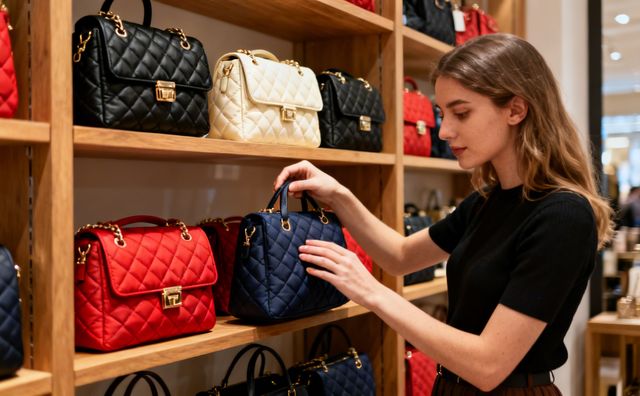
Before buying a quilted bag, I always think about what I truly carry in a normal
day, such as my wallet, keys, phone, a small makeup pouch, maybe a planner or
tablet, and then I decide on the size and number of pockets I need so I will not
be frustrated later. If you travel by public transport, you may want a secure
zip top or flap, while if you drive, an open top might be fine. Make sure to
actually test your items in the bag if you can, because some designs look roomy
but lose space to thick padding or a narrow opening. When a bag fits your real
life, you are much more likely to use it often and get your money’s worth.
Color choice is another big decision, and I usually suggest starting with a
neutral like black, beige, tan, navy, or soft gray because these tones work
across seasons and match most wardrobes, which helps a bag stay in rotation for
years. A neutral quilted bag can go with jeans one day and a dress the next
without clashing, and it will not scream from across the room. After you have a
good basic, you might add a bold color like red, emerald, or cobalt for fun,
since a bright quilted bag can become a true statement piece over a plain
outfit. This way you balance practicality and personality in your collection.
Quilted bags can feel comfortable because the padded body and sometimes padded
straps soften the pressure on your shoulder, yet that same structure can add
extra bulk and weight, especially in leather. When I shop, I always lift the bag
while it is empty, then imagine how it will feel once I fill it with my daily
items, and if it already feels heavy in the store, I know it will annoy me
later. Strap width matters too, because a very thin strap can dig into your
shoulder even if the bag is small. Comfort may not seem as exciting as color or
style, but it makes the difference between a bag you love and a bag you regret.
Hardware also deserves real thought, because you want it to work with your
closet basics instead of fighting them, and this goes beyond just metal color to
include the size and style of the locks, chains, and logos. If you mostly wear
soft, feminine clothes, sharp industrial chains might feel out of place, while
if you dress in a clean, modern way, very ornate hardware could look too fussy.
I like to picture the bag with my go to shoes, coats, and Sunday dresses, and if
it blends in nicely in my mind, that is a good sign. Matching your hardware to
your usual jewelry tone can also help everything feel harmonious.
Care and Maintenance I Follow for Quilted Bags
Daily care for a quilted bag is simple but important, and I start by storing
mine in a dust bag when I am not using it so the surface stays safe from dust
and sun, then I gently stuff it with tissue paper or soft fabric to help it keep
its shape, and I try hard not to overfill it when I do carry it because too much
weight can stretch the quilting and distort the lines. When I get home, I give
the bag a quick look to make sure there are no fresh stains or spills, since it
is always easier to handle marks early. If it is wet from rain, I let it dry
naturally in a cool room away from direct heat. These small habits keep a bag
looking fresh much longer.
For cleaning basics, I follow the rule of being gentle and using products made
for the exact material, which often means wiping leather with a soft, dry cloth
after use to remove surface dust and then, every so often, using a special
leather cleaner or conditioner tested on a hidden spot first. For quilted nylon
or fabric, I might use a slightly damp cloth and a mild soap if the care label
allows it, but I avoid soaking the bag or scrubbing hard on the stitches. Harsh
chemicals and household cleaners can dry out leather or fade color, so I keep
them far away. When in doubt, less is more when you are dealing with good
materials.
Lambskin needs extra caution because it is softer and more open to scratches,
stains, and stretching than many other leathers, so I treat it almost like a
delicate blouse instead of a rugged tote. I try to keep lambskin away from rain,
oils, and dark denim that can transfer color, and if it does get lightly marked,
I use a very soft brush or cloth to lift surface dirt instead of pressing it
deeper. I never load a lambskin bag with heavy items or let it rub constantly
against rough fabrics. This type of bag is best for days when you know you can
handle it with care and be mindful of where you set it down.
For deeper care, especially if a quilted bag has clear stains, fading, or
dryness, I believe in taking it to a trusted professional leather cleaner who
understands designer pieces and can match colors and finishes. A good cleaner
can remove spots, restore moisture, and even touch up worn corners in a way that
looks natural, which is hard to do at home without training. If you carry a
favorite bag very often, it may help to have it lightly reconditioned once a
year to keep the leather from cracking or flattening. Thinking of this as
routine maintenance can add many years to the life of your bag.
Storage is the final piece of care, and I always try to avoid hanging quilted
bags by their straps for long periods, because gravity can pull on the
attachment points and slowly reshape the body. Instead, I lay them in a dust bag
on a shelf in a cool, dry place away from direct sunlight, which can fade color
and dry out leather over time. I keep them away from heaters, damp basements,
and very crowded closets where they might be crushed under other items. Silica
packets can help control moisture if you live in a humid area. Thoughtful
storage is like rest for your bags so they are ready to look their best when you
need them again.
DIY Personalization and Simple Repairs
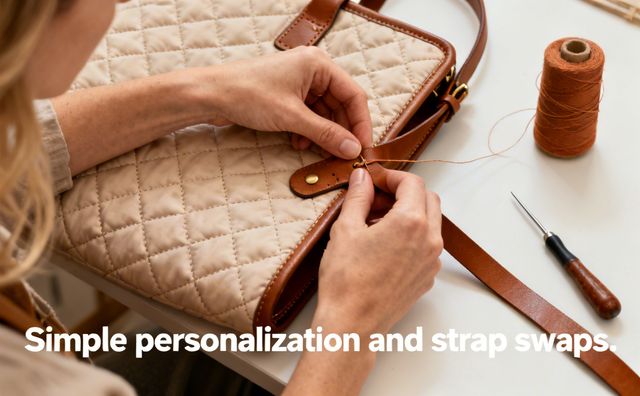
If I want to freshen up a quilted bag without buying a new one, I love easy
updates like swapping the strap for a different chain or leather option, adding
a small charm, or tying a silk scarf around the handle for a touch of color and
pattern. These little changes can give a very classic bag a playful or romantic
twist and help it match different seasons or outfits. A neutral bag with a
bright printed scarf suddenly feels right for spring, while a sleek chain can
make the same bag feel evening ready. It is a budget friendly way to enjoy
variety while keeping the base piece you already own.
Sometimes a well loved quilted bag only needs small fixes, and many of these you
can handle at home if you are comfortable with basic tools and careful work,
such as re stitching a tiny loose thread with a matching strong thread, using a
bit of gentle fabric or leather glue on a lifting trim, or replacing a broken
zipper pull with a new one that suits the hardware. I always take my time and
work in good light so I do not make things worse. If you are unsure, start with
something hidden like the inside of a pocket. The goal is to support the
structure, not to change how the bag looks.
There are moments when you should call a professional instead of trying to fix
things alone, especially if your bag has serious structural damage, torn lining
that affects how it holds items, or major hardware problems like broken clasps
or chain links that carry the weight of the bag. These issues, if handled
poorly, can ruin the shape or even cause the bag to fail while you are using it.
An experienced repair shop or the brand’s own service center can often replace
parts, reinforce weak spots, and match colors much better than a home kit.
Paying for expert work can be worth it if the bag is special or holds strong
value.
I also like to add personal touches that feel tasteful and not too loud, such as
small monogram patches placed on the inside flap, a couple of enamel pins that
match the mood of the bag, or a custom strap in a color that plays well with the
quilting. These details can make your bag feel truly yours, especially in a
world where many women carry the same few styles. If you keep the add ons modest
and in line with the spirit of the design, they will enhance rather than cheapen
the look. It is a way to honor both the craftsmanship of the maker and your own
personality.
Buying Smart: Authentication, Resale, and Investment
Quilting can affect resale more than many people realize, because classic
quilted shapes and neutral colors often hold value better than very trendy or
unusual designs that may feel dated after a few seasons. Bags inspired by the
great heritage models usually perform well on the secondhand market, since
buyers recognize the style and trust that it will stay in fashion. If you plan
to resell one day, it helps to keep the bag in good condition and avoid heavy
customization. By thinking ahead, you can enjoy your bag now and still recover
part of your investment later.
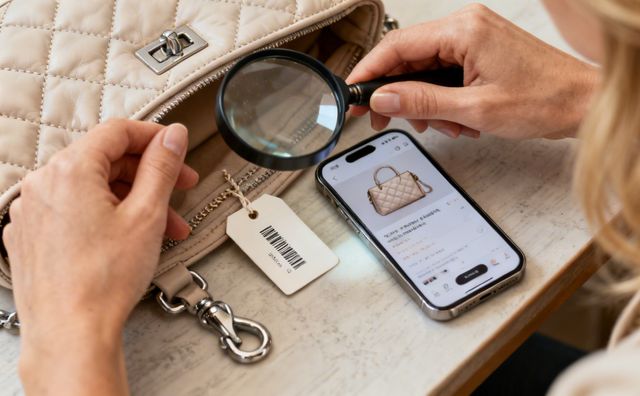
When it comes to authentication, I always suggest learning a few basics before
buying an expensive quilted bag, especially pre owned, and these include
checking for serial numbers or authenticity cards where the brand is known to
use them, looking closely at the stitch count and whether the pattern is
consistent, and comparing the shape and engravings of hardware to official
photos from the brand. Counterfeit bags often have uneven quilting, sloppy
logos, or hardware that feels too light or too shiny. If something feels off in
your gut, it is better to walk away and keep your money safe.
Choosing where to buy is just as important as what to buy, so I stick to trusted
brand boutiques, established department stores, certified pre owned sellers, and
reputable online marketplaces that offer strong guarantees and clear return
policies. Many resellers now provide detailed photos, condition ratings, and
sometimes third party authentication, which can give extra peace of mind. I
avoid random social media sellers or shady websites with prices that seem too
good to be true. A fair price from a safe source is much better than a bargain
that risks being fake.
My personal buying tip for secondhand quilted bags is to inspect the corners and
strap areas very carefully, because these spots show the truest signs of wear
and tell you how much life the bag has left. Worn corners can be touched up but
may also hint at thin leather, and stretched or cracked strap holes can be
harder to fix well. I also look at the quilting itself to see if it has
flattened too much in key areas. When you pay attention to these details, you
can judge the value more clearly and avoid surprises after you bring the bag
home.
Trends, Timelessness, and Final Thoughts
When I step back and look at the big picture, I see that quilted bags remain an
anchor in a woman’s wardrobe because they sit right between soft and structured,
casual and dressy, new and classic, so they work across many outfits and seasons
without fighting trends. A well chosen quilted piece can go from errands to
church, from the office to dinner, and still feel appropriate. The pattern has
become almost like a neutral in itself, trusted and familiar. This steady
reliability is rare in fashion, and it is why I think every woman can benefit
from at least one good quilted bag in her closet.
Designers are not finished playing with quilting either, and I already see
emerging twists like mixed materials that pair leather with canvas or denim,
oversized quilting that looks almost like pillows, and clever tech friendly
interiors with padded pockets for phones, tablets, or earbuds built into classic
shapes. Some brands experiment with color blocking inside the quilting lines or
subtle prints layered under clear material. These touches keep the style
interesting for younger buyers who grew up with technology in their hands.
Quilting turns out to be a very flexible base for modern needs.
My own advice is to invest in one well made quilted bag that truly fits your
life and taste, perhaps in a neutral color and practical size, and then have fun
rotating it with more seasonal or playful pieces as trends change. This main bag
can act as your anchor when you feel unsure what to carry, while the others let
you enjoy fashion without as much pressure. By choosing quality for your core
piece, you respect your budget over time and avoid constant replacement. It is
better to have one dependable friend than a closet full of regrets.
In the end, I remind myself and other women that style should serve real life,
not the other way around, so choose a quilted bag that makes you feel polished,
comfortable, and able to live your day well, whether you are working, caring for
family, or enjoying time with friends. Do not feel forced into a brand or shape
just because it is all over social media. Trust your own taste, your needs, and
your values. When a bag supports your life instead of ruling it, it becomes a
blessing rather than a burden.