

Timeless Japanese Skincare Secrets Revealed
Unlock the Rituals Behind Flawless Geisha Skin at Any Age
Why Japanese Skincare Still Works
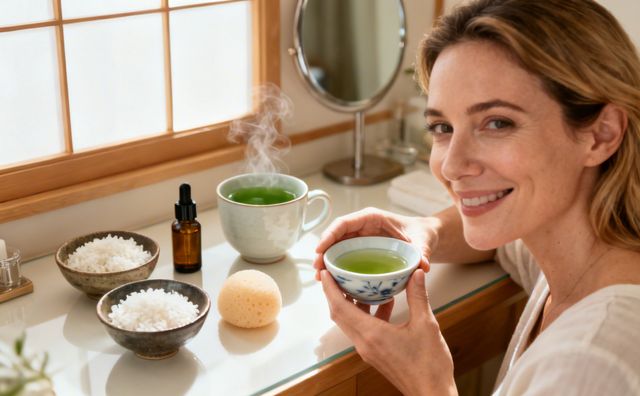
When I look at Japanese beauty rituals, I see a long history of simple, natural
care that families have passed down for centuries, often from mother to
daughter, using what they had on hand like rice, oils, and herbs instead of
complicated lab-made formulas. These traditions started in small village homes
and royal courts, where women learned to protect their skin from harsh sun,
wind, and dry air with gentle washing and careful moisturizing instead of harsh
scrubbing. Over time, these simple steps became little daily ceremonies that
honored the body God gave them, and they focused on keeping the skin healthy
rather than just trying to cover problems with makeup. That is why many of these
old methods still feel so fresh and modern today, because they are rooted in
respect for the skin and for nature, not in chasing fast trends that come and go
every season.
Japanese skincare has always been built around gentle daily habits instead of
quick fixes or hiding behind heavy makeup, and I find that idea very freeing as
a woman and a mom with little time in the morning. The goal is to make the skin
look so calm, smooth, and even that you do not need a full face of foundation
every day, just a bit of powder or nothing at all. Rather than attacking the
skin with strong treatments when something goes wrong, the focus is on nurturing
it a little at a time so that fewer big problems show up in the first place.
This mindset helps keep the routine peaceful, almost like a quiet moment of
prayer or reflection, and it teaches us to be patient with ourselves instead of
expecting overnight change.
The Japanese approach also values prevention, which means they pay close
attention to sun protection, gentle cleansing, and layering hydrating products
long before deep wrinkles and dark spots show up. Many women there grow up
knowing that the sun can be very damaging, so they use hats, umbrellas, and
daily sunscreen as naturally as brushing their teeth. Cleansing is done with
mild products that remove dirt and makeup without stripping the skin’s natural
oils, and then they apply several light layers of watery lotions and essences to
give steady moisture instead of one heavy cream. This kind of care respects the
skin barrier and keeps it strong, which is very different from the harsh scrubs
and drying treatments that are still popular in some places.
When skincare is done in a slow, ritualized way, with thoughtful steps morning
and night, it tends to bring steady improvements in skin texture and clarity
over time instead of big ups and downs. You might not see a dramatic change in
one day, but after a few weeks of consistent care, the skin starts to look more
even, less red, and more plump with moisture. This style of routine feels almost
like brewing tea or preparing a family meal, where the small steps matter and
the result comes from patience and practice. I like that it encourages us to
slow down for a few minutes, breathe, and treat our skin kindly, which can be
especially healing in a busy life filled with kids, work, and constant noise.
The Core Rituals: Cleanse, Layer, Protect
When I explain a basic Japanese-inspired routine, I like to walk through the
main steps in order, which usually go like this: double cleanse, lotion or
softening toner, essence, serum, moisturizer, and sunscreen in the morning. Each
step has a clear purpose, and together they create a gentle but powerful system
that can be adjusted for dry, oily, or sensitive skin. The double cleanse
removes makeup and sunscreen, the lotion and essence bring hydration and prepare
the skin, the serum targets special issues like spots or fine lines, the
moisturizer seals everything in, and the sunscreen shields from UV damage during
the day. It sounds like a lot when you list it out, but in real life it can feel
like a simple rhythm that becomes second nature once you have done it for a week
or two.
Double cleansing is one of the most famous parts of Japanese and other East
Asian skincare, because it keeps pores clear but still treats the skin softly,
which I appreciate as someone who has worn long-lasting makeup for photo shoots.
The first step uses an oil or oil-based balm to melt away sunscreen, foundation,
and even waterproof eye makeup so you are not scrubbing your face raw. After
rinsing, the second step is a mild foam or gel cleanser with plenty of water to
remove sweat, dust, and any leftover oil without leaving that tight, squeaky
feeling that means you stripped too much. This two-part method helps prevent
clogged pores and dullness while respecting the natural oils that protect your
face, which is key for keeping the skin calm and balanced.
Layering thin, hydrating products is another big secret, because lighter
textures soak in better and let the skin drink up moisture without feeling heavy
or greasy. Instead of one thick cream sitting on top like icing, several gentle
layers of watery lotion, essence, and a light serum can reach different levels
of the skin and work together. This method also makes it easier to customize
your routine depending on the season or your hormones, since you can add an
extra layer when the air is dry or skip one if your skin feels oily. I find it
comforting that the goal is not to smother the skin, but to slowly feed it what
it needs, just like we aim to feed our families balanced meals instead of giant,
heavy feasts all the time.
Timeless Ingredients That Heal and Brighten
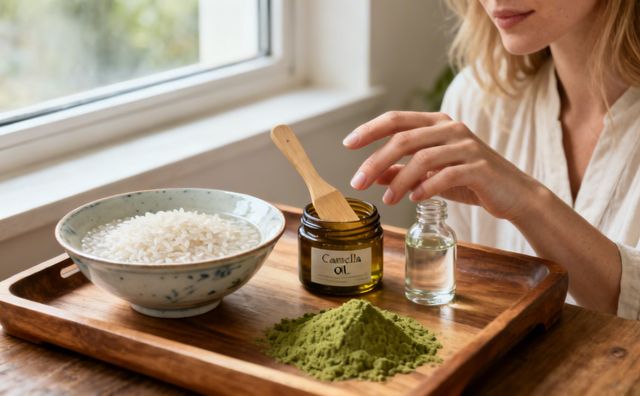
Rice water and sake extract are two classic Japanese ingredients that help with
brightening, gentle exfoliation, and hydration, and they come straight from the
country’s deep connection to rice farming and fermentation. Rice water, which is
simply the milky liquid left after rinsing or soaking rice, contains vitamins,
minerals, and natural starches that can soften and smooth the skin’s surface.
Sake extract, made from fermented rice, brings mild acids and enzymes that help
shed dull dead cells without the harsh burn of strong chemical peels, making it
easier to keep the skin clear and glowing. When used in toners, essences, or
masks, these ingredients can slowly even out skin tone and add a soft, luminous
quality that many people notice but cannot quite explain.
Camellia oil, also called tsubaki oil, is another beautiful Japanese staple that
I like using on dry spots and even on the ends of my hair, because it feels
luxurious yet still light. This oil comes from the camellia flower seeds and is
rich in oleic acid, which is also found in our own skin’s natural oils, so it
tends to sink in well without leaving a sticky layer. I use a drop or two
pressed into my cheeks when they feel tight from dry weather, and I smooth a
little through my hair tips to control frizz and add shine without weighing it
down. It is one of those simple, multi-use products that fit a more traditional,
modest lifestyle, since you do not need separate fancy items for every single
little thing.
Green tea and matcha are beloved in Japan for drinking, but they are also
powerful skincare ingredients because they are full of antioxidants that calm
redness and protect the skin from environmental stress like pollution and UV
light. When applied in creams, masks, or toners, green tea can help soothe
irritation and reduce the look of puffiness, especially around the eyes after a
long night with the kids or a stressful day. The catechins in green tea fight
free radicals, which are unstable molecules that speed up aging and damage the
skin’s collagen. I love that something as simple as a tea leaf, made by God and
enjoyed in daily life, can bless our bodies inside and out at the same time.
Koji, which comes from fermented rice, and different kinds of seaweed both show
how much Japanese skincare leans on gentle enzymes and mineral-rich plants to
support the skin barrier. Koji is used in making foods like miso and soy sauce,
and in skincare it brings mild brightening and smoothing benefits without
stripping the skin, thanks to natural acids that loosen dead cells in a very
soft way. Seaweed, on the other hand, is loaded with trace minerals, vitamins,
and polysaccharides that help the skin hold moisture and strengthen its
protective layer, which is key for keeping out irritants. When I use products
with these ingredients, my skin often feels more plump and less reactive, almost
like it has had a tall glass of water and a strong shield put in place.
Hyaluronic acid is not an ancient ingredient, but it fits beautifully into
Japanese-inspired routines because it focuses on water balance and gentle care
instead of harsh action. Our skin naturally makes hyaluronic acid to hold
moisture in the deeper layers, and modern versions used in skincare can attract
and bind water like a sponge, which makes the skin look more smooth and bouncy.
I like to apply a hyaluronic acid serum right after my watery lotion or essence,
while my skin is still a bit damp, so it can pull in that extra hydration and
keep it there. This step works perfectly with traditional ingredients like rice
water and green tea, showing how old wisdom and new science can blend to give us
healthy, well-hydrated skin without going against the gentle spirit of Japanese
rituals.
Geisha Origins: Rituals, Makeup, and Meaning
Traditional geisha care treated flawless skin as an art form tied closely to
performance, culture, and ceremony, and I find it fascinating how much
discipline and grace went into their beauty rituals. Geisha had to wear heavy
white makeup under bright lights, dance, and entertain important guests, so
their bare skin underneath needed to be calm, smooth, and strong or the makeup
would crack and look uneven. Their daily care was not about vanity alone, but
about honoring their professional role, much like a musician cares for her
instrument so she can play beautifully. This respect for skin as part of one’s
calling still inspires me, because it reminds me that caring for our bodies can
help us serve our families and communities better, not just look good in photos.
To keep their skin pale and smooth, geisha used rice-based cleansers, careful
oil massages, and very strict sun avoidance long before sunscreen bottles were
common. They washed off their thick makeup with gentle powders made from ground
rice, sometimes mixed with water to create a soft paste that lifted product and
dirt yet left the skin feeling nourished. Oils were used to massage the face and
neck, which helped boost blood flow, relax tight muscles, and support lymph
drainage, all of which keep the face looking fresh and less puffy. They also
stayed out of the sun during the brightest hours and used fans, veils, or shaded
walkways to protect their faces, which helped prevent dark spots and wrinkles
from forming in the first place.
These geisha practices slowly spread into everyday Japanese skincare, helping
turn basic maintenance into a daily ritual that many women and men now follow in
simpler forms. As beauty products became more common, companies started bottling
ideas like rice bran powder, camellia oil, and gentle cleansers, making them
available to housewives, office workers, and students. The idea of taking a few
quiet minutes each morning and night to cleanse, massage, and hydrate the face
became a normal part of life rather than a luxury, almost like brewing that
first cup of tea. In my own home, I try to echo that spirit by turning my
skincare time into a calm habit instead of a rushed chore, which leaves me more
centered and ready to serve my family with a peaceful heart.
Morning and Night Routines for Busy Women
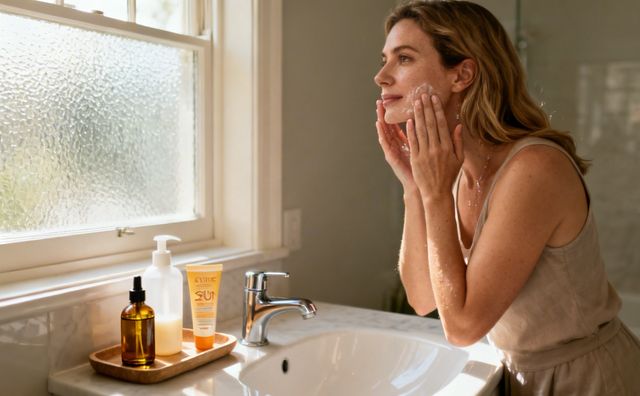
In the morning, a Japanese-style routine can be very simple and protective,
usually starting with a gentle rinse or a light foam cleanser, followed by a
softening lotion or toner, a hydrating serum, and then sunscreen as the final
step. After a full night of rest, you usually do not need a strong wash, just
enough to remove sweat and oil so that your products can absorb well. The lotion
and serum give the skin water and active ingredients, while the sunscreen guards
against UV damage that can undo all your hard work. I often do this while my
kids are finishing breakfast, and it takes only a few minutes but keeps my face
feeling fresh and shielded through school drop-offs, errands, and work at my
desk.
At night, I switch to a more thorough but still gentle routine that starts with
an oil cleanse to dissolve makeup and sunscreen, then a mild foaming or gel
wash, followed by lotion, an essence or serum, and finally a richer moisturizer
or a slow oil massage. The double cleanse makes sure I go to bed with a truly
clean face, which is so important for preventing breakouts and dullness,
especially for those of us who live in busy cities or wear long-lasting
products. The lotion, essence, and serum bring moisture and treatment
ingredients when the skin is in repair mode, and the final cream or oil locks
everything in, helping the skin heal overnight. Some nights, when I am not too
tired, I spend an extra minute massaging my jawline and temples, and that little
act of care feels like a reward after a long day of family and work
responsibilities.
I know many moms and working women cannot spend twenty minutes at the sink, so I
like to share tips for doing these rituals in five to ten minutes while still
honoring the Japanese spirit of calm, layered care. You can keep small,
well-chosen products near the bathroom or even your bedside, and focus on a
simple core of cleanse, hydrate, and protect instead of chasing every new trend.
In the morning, combine your lotion and serum by patting them together, then go
straight to sunscreen and skip extra steps if you are rushing. At night, if you
are exhausted, use an oil cleanser that rinses clean, follow with one
lightweight hydrating product, and then a nourishing cream, which can all be
done quickly but still gives your skin a taste of that gentle ritual every day.
Age-Specific Tweaks: 20s, 30s, 40s+
In your 20s, I believe the most important thing is to focus on hydration and
gentle protection, because the habits you build now will carry you through the
later decades. At this age, your skin usually still has good firmness and
bounce, so you do not need very strong anti-aging products, but you do need to
keep the barrier healthy and shielded from sun and pollution. That means using a
mild cleanser, a hydrating lotion or essence, a simple serum like hyaluronic
acid, and daily sunscreen, along with a healthy diet and not too many late
nights. If you learn to respect your skin early, you will likely have fewer deep
wrinkles and dark spots to worry about when you get older, and your routine will
already feel natural, not like a burden.
In your 30s, I suggest adding antioxidants and more targeted treatments for the
first signs of firmness loss or uneven tone, while still staying gentle and
consistent. Many women, myself included, start noticing faint lines around the
eyes and mouth in this season, often due to busy schedules, pregnancies, or
stress on top of natural aging. Ingredients like vitamin C, green tea, and
niacinamide can help brighten the skin, protect collagen from damage, and even
out small spots if you use them regularly. You do not need to attack your face
with harsh peels, but you can introduce one or two focused serums into your
Japanese-style layering, always watching how your skin responds and adjusting
with care.
By the time you reach your 40s, it becomes even more important to prioritize
skin barrier repair, richer nourishment, and continued sun protection, because
hormonal changes and time naturally thin the skin. At this stage, I like to use
thicker creams at night, facial oils like camellia, and extra-hydrating essences
that make my skin feel cushioned and strong instead of fragile. Gentle
exfoliation with enzymes or mild acids once a week can still help with glow, but
the main focus shifts to keeping moisture in and irritation out. No matter the
age, daily sunscreen and shade from hats or umbrellas remain non-negotiable,
because UV damage does not stop just because we are older, and prevention is
still kinder and more effective than trying to erase damage later.
Simple DIY Treatments I Trust
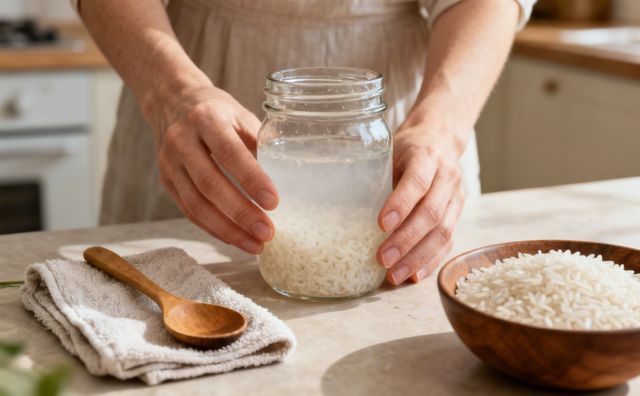
A rice water rinse is one of my favorite do-it-yourself Japanese-inspired
tricks, and it is very easy to make at home by soaking rinsed rice in clean
water for about thirty minutes, then straining the cloudy liquid into a clean
container. This water holds some of the vitamins, minerals, and natural starch
from the rice grain, which can give the skin a softer feel and a mild
brightening effect over time. I like to keep it in the fridge and use it as a
splash after cleansing or apply it with a cotton pad like a toner, letting it
air dry before adding my serum and cream. Since it is so simple and gentle, it
fits well into a modest, natural lifestyle, though I always remind women to make
small, fresh batches so it does not spoil.
A camellia oil massage is another lovely ritual, and it only takes a few drops
of this lightweight oil warmed between your fingers, then pressed and gently
massaged along your jawline, cheeks, and neck. The massage helps improve blood
circulation, which brings more oxygen and nutrients to the skin, and it also
supports lymph drainage, which can reduce puffiness and that tired look so many
of us know too well. I like to do this after my serum at night, using slow,
upward motions while I breathe deeply and thank God for the day, turning it into
a small moment of prayer and self-care. Over time, this habit can make the skin
feel softer, more elastic, and more relaxed, especially around tense areas like
the jaw where many of us hold stress.
For calming redness or heat in the skin, a green tea compress can work wonders,
and it is as simple as brewing a cup of plain green tea, letting it cool fully,
and soaking soft cotton pads or a clean cloth in it. When I place these cool
pads over my cheeks or forehead for five to ten minutes, the antioxidants and
anti-inflammatory compounds in the tea help reduce irritation and give my skin a
more even tone. This can be especially soothing after sun exposure, exercise, or
a long emotional day when your face feels flushed and sensitive. It is a
beautiful example of how what we drink for health can also bless our skin with
gentle, natural care.
Whenever we make skincare products at home, I believe it is very important to
keep hygiene strict, using clean tools and only small, fresh batches so we do
not invite germs and mold onto our faces. I always wash my hands before touching
any product, use glass or stainless steel bowls and spoons that I can sanitize,
and store liquids like rice water or brewed tea in the refrigerator for only a
few days. If something smells strange, looks cloudy, or changes color, I throw
it out without hesitation, because saving a few pennies is not worth the risk of
a skin infection or rash. This careful attitude respects the skin God gave us
and keeps our Japanese-inspired rituals safe and effective for the whole family.
Skin-Friendly Lifestyle Habits
Diet plays a huge role in how our skin looks and feels, and I personally follow
a nutrient-dense approach with lean proteins, plenty of vegetables, and
fermented foods, which lines up well with many traditional Japanese meals and my
own paleo-style eating. Foods like fish, eggs, and grass-fed meats provide amino
acids that help build collagen and repair tissue, while colorful vegetables and
seaweeds bring antioxidants and minerals that support a clear, bright
complexion. Fermented items such as miso, kimchi, or sauerkraut feed the gut
with good bacteria, which many studies link to calmer, less inflamed skin. When
I eat in a simple, wholesome way and drink enough water and tea, my skincare
products seem to work better, because my body is already getting what it needs
from the inside.
Sun avoidance and daily SPF really are non-negotiable if you want long-term even
tone and smooth texture, and this is one lesson Japanese women have followed
faithfully for decades. I like to think of sunscreen as my skin’s daily shield,
not just a beach-day product, and I apply it every morning on my face, neck, and
the backs of my hands, even if I am mostly indoors. When I know I will be
outside a lot, I add extra protection with a wide-brimmed hat, sunglasses, and
sometimes an umbrella for shade, which is very common and accepted in Japan.
This steady defense slows down the formation of wrinkles, spots, and rough
patches, helping your other products have a chance to keep your skin clear and
youthful.
Sleep, stress management, and gentle exercise also play a quiet but powerful
role in improving circulation and skin repair, and I notice a big difference in
my own face when these are off balance. When we sleep well, our bodies release
growth hormones that help fix daily damage in the skin, and our cortisol levels
drop, which lowers inflammation and redness. Simple, regular movement like
walking, stretching, or light strength training boosts blood flow to the skin,
bringing oxygen and nutrients that keep it looking alive and fresh. Taking time
to pray, breathe deeply, and set healthy limits around work and screens can calm
the nervous system, which often shows up as calmer, happier skin in the mirror.
How to Shop Smart: Read Labels and Avoid Traps
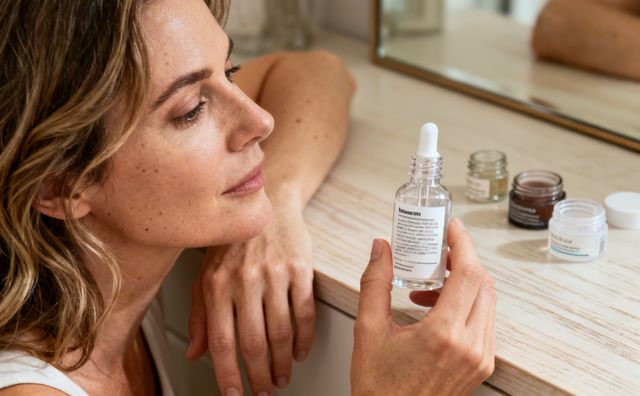
When I teach friends how to read skincare labels, I start very simple and tell
them to look near the top of the list for words like water, glycerin, and
clearly named plant extracts, because these often show that the product will
hydrate and support the skin instead of only coating it. Water provides the base
for light, layerable formulas, while glycerin pulls moisture toward the skin and
helps keep it there, which fits perfectly with the Japanese idea of building up
hydration in thin layers. Botanical extracts like green tea, rice bran, and
seaweed can add antioxidants, vitamins, and calming benefits if they are present
in meaningful amounts near the start of the list. You do not need to understand
every single chemical name, but noticing these simple markers can help you
choose smarter, kinder products.
If your skin is sensitive, I recommend avoiding high levels of strong alcohols
and too many added fragrances, because these can dry out or irritate the skin
barrier and undo your gentle work. On labels, ingredients like ethanol or
denatured alcohol listed very high up can be a warning sign, especially in
toners or lotions that you plan to use every day. Strong perfumes, whether
synthetic or from high doses of essential oils, might smell lovely but often
trigger redness, itching, or breakouts for delicate skin. I usually tell women
to choose milder scents or fragrance-free options, then add a small amount of
natural perfume to their hair or clothing instead of loading it on the face.
One big myth I like to challenge is the idea that you need the most expensive
jar on the shelf to get results, because in many cases, small, well-formulated
items work better than piles of luxury creams. Japanese skincare culture often
values simple, steady quality over flashy packaging, and there are many basic
lotions and sunscreens that perform beautifully without a huge price tag. If you
choose a gentle cleanser, a hydrating toner or essence, a focused serum, and a
solid sunscreen, you can build a very effective routine without breaking your
family budget. This helps keep skincare in its proper place, as a tool for
health and confidence, not as an idol that steals money and attention from more
important things like faith, marriage, and children.
Whenever you bring in new and active ingredients such as acids, retinoids, or
strong vitamin C, it is wise to sample before you fully commit and to patch-test
them on a small area of skin first. I usually suggest placing a tiny amount
behind the ear or on the side of the neck for a couple of nights to see if there
is any itching, burning, or rash. If your skin handles it well, you can then use
it on the whole face a few times a week at first, slowly building up as long as
you do not see bad reactions. This slow, thoughtful way fits the Japanese
mindset of patience and care, and it keeps your routine from turning into a
painful experiment that harms more than it helps.
Common Mistakes and Quick Fixes
One common mistake I see is over-exfoliating, which means scrubbing or peeling
the skin too often, and I always recommend limiting strong exfoliation to about
once a week so you do not damage the delicate barrier. Many women reach for
rough scrubs or daily acid pads when they feel dull or clogged, but this often
leads to redness, flaking, and more breakouts because the skin becomes raw and
unprotected. A Japanese-inspired routine leans toward gentle enzyme products or
very soft scrubs used rarely, followed by lots of hydration and calming
ingredients. Your skin should feel smooth and comfortable after exfoliating, not
tight or stingy, and if it does, that is a sign to slow down and give it time to
heal.
Another serious mistake is skipping sunscreen, because even the best lotions and
serums cannot fully fix the discoloration and faster aging that daily UV
exposure causes over the years. I remind myself that every time I go outside
without SPF, I am letting the sun chip away at my collagen and create tiny
patches of damage that show up later as spots and wrinkles. By making sunscreen
a simple, non-negotiable last step every morning, you build a strong foundation
for all your other products to work better. This habit lines up with Japanese
wisdom and with good stewardship of the body God gave us, because it protects
rather than waits for problems to appear.
Using too many active products at once is another trap, because our culture
often praises doing more and chasing quick change, but the skin usually responds
better when we introduce just one new active at a time. If you add a strong
vitamin C, an acid toner, a retinoid, and a brightening serum all in the same
week, it becomes impossible to tell which one is helping and which one is
causing irritation. Instead, try bringing in one new active, use it a few nights
a week, and watch your skin for a couple of weeks before adding anything else.
This slower, more thoughtful path mirrors the peaceful, layered Japanese
approach and helps you build a routine that truly serves your skin instead of
overwhelming it.