
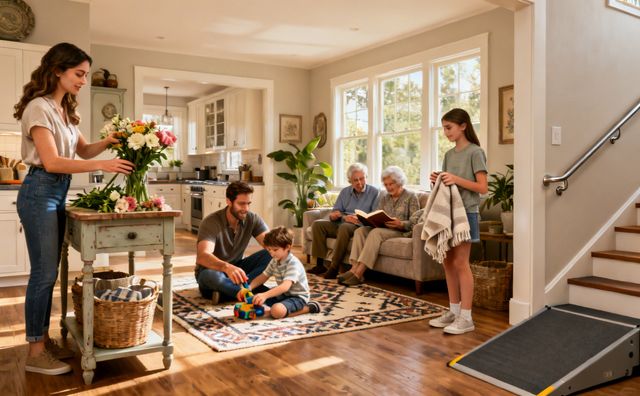
Multi-Generational Living: Designing Homes for Every Stage of Life
Create a welcoming and functional space for every member of the family under one roof.
Why Multi-Generational Living Works Today

Multi-generational homes are becoming more common today because several big
trends are coming together at the same time, including people living longer,
parents needing more help with childcare, and families facing higher housing and
living costs. Many grandparents are healthier and more active than past
generations, so they want to stay involved with their children and grandchildren
instead of living far away. Parents are working longer hours or juggling more
than one job, so having extra adults in the home can make daily life easier and
safer for the kids. At the same time, housing prices, rent, and healthcare costs
have gone up in many places, so sharing one home can be a smart way for a family
to stretch their money and still live in a safe and decent neighborhood. All of
these factors together have made multi-generational living feel less unusual and
more like a thoughtful and practical choice for many families.
Bringing several generations under one roof offers many beautiful benefits that
go far beyond saving money, and these blessings often grow stronger over time.
When families share costs for housing, utilities, and groceries, it frees up
financial breathing room for things like education, small business plans, or
family trips. Built in caregiving is another huge advantage because grandparents
can help with school pickups, homework, and sick days, while younger adults can
help older relatives with errands, appointments, and home maintenance. Emotional
connection also deepens when children see their grandparents and parents
interacting every day, learning family stories, faith traditions, and life
lessons that might be lost if everyone lived apart. This daily closeness can
build a strong sense of identity, duty, and love that holds a family together
through both good seasons and hard times.
Even with all the benefits, living with several generations in one home is not
always easy, and it is important to be honest about the challenges so they can
be handled wisely. Privacy becomes a big issue when more people are sharing
bathrooms, hallways, and living areas, and everyone needs at least a small space
that feels like their own. Different routines can also create friction, such as
teenagers staying up late, grandparents waking up early, parents working night
shifts, or babies crying at odd hours. On top of that, role expectations can
cause stress because older relatives might expect more authority, while adult
children might feel pulled between honoring their parents and leading their own
household. Talking about these tensions openly and planning the home layout and
house rules with care helps reduce hurt feelings and makes daily life smoother
for everyone.
When families choose multi-generational living, it does more than change who
sleeps in which room, because it can also shape the bigger choices they make
about work, retirement, and raising children. Grandparents who move in with
their adult children might delay or rethink moving into retirement communities,
and instead use their savings for healthcare, travel, or helping with
grandchildren’s schooling. Parents might choose jobs with more flexible hours,
even if they pay a little less, because they know there is help at home and they
want to spend more time with family. Childrearing also looks different because
kids grow up seeing cooperation, sacrifice, and respect for elders as normal
daily life instead of a rare event during holidays. Over time, this way of
living can influence whole communities, as more families plan their homes and
finances with the idea that generations are meant to stay connected and support
one another.
Assessing Needs: Who Shares Your Home?
Before anyone starts knocking down walls or buying new furniture, it helps to
walk through a simple checklist of needs for every person in the home, including
sleeping, bathing, cooking, moving around, and having quiet time. Think about
how many true beds you need, not just couches, and whether older relatives need
a bedroom close to a bathroom or on the main level. Look at bathing needs and
decide if you need a walk in shower, a tub for small children, or a second
bathroom to reduce morning stress. In the kitchen, count how many people cook
and eat at home most days so you can plan counter space, refrigerator size, and
pantry storage. Also look at mobility challenges, such as stairs, narrow halls,
or slippery floors, and decide where handrails, ramps, or wider paths are
needed. Finally, everyone should have a spot for quiet time, whether that is a
bedroom chair, a reading corner, or a small desk, so each person can rest and
recharge.
Good communication at the start can save so many arguments later, so I always
recommend talking openly with all family members about routines, expectations,
and the things they truly must have. Sit down together at the table, turn off
the screens, and ask simple questions like when people usually wake up, who
needs the bathroom the longest, and who works from home. Ask grandparents what
makes them feel respected and comfortable, and ask teens what helps them feel
trusted and grown up. Talk honestly about chores, noise levels, bedtime rules
for kids, and how you want to handle guests or late night visits. When everyone
can share what matters most before the house is set up, it becomes much easier
to make choices that feel fair and loving, instead of guessing and then feeling
hurt or unheard later.
A simple daily schedule chart might not sound exciting, but it can be a powerful
tool for spotting trouble spots and sweet spots in a busy multi-generational
home. You can draw it on paper or use a basic spreadsheet with columns for time
of day and rows for each person, then fill in when people are sleeping, working,
studying, watching television, cooking, or out of the house. When you look at
the chart, you might notice that three people want to shower at the same time
every morning, or that the kitchen is crowded right when someone needs quiet for
an online meeting. You may also see shared opportunities, such as times when
grandparents are free to play with the kids, or when older teens can help with
homework or errands. Once you see the patterns, you can shift routines, assign
spaces, and set simple rules that help the house run more smoothly and give
everyone more peace.
Designing Layouts that Respect Privacy
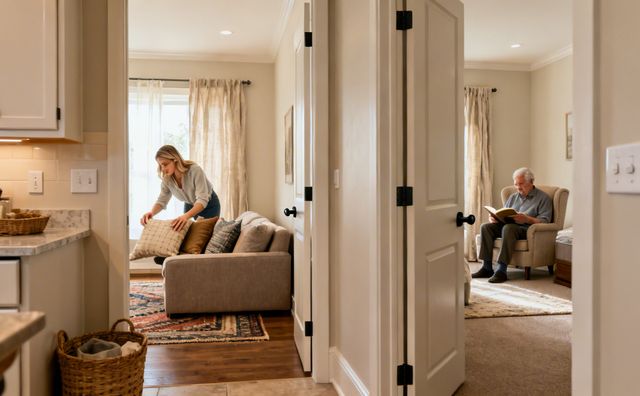
The best multi-generational homes are usually designed with clear zones so that
everyone knows where to gather and where to retreat, and a good floor plan can
often create these zones even in an average sized house. Private suites work
well for grandparents or adult children and might include a bedroom, a small
sitting area, and a nearby bathroom so they can rest, visit friends, or read
without using the main living room every time. Shared hubs are the places where
everyone comes together, such as the kitchen, dining room, and main family room,
and these spaces should be open, bright, and easy to move through, with plenty
of seating. Transition areas, like hallways, small nooks, or entry spaces, help
soften the shift between private and shared zones, and they can hold coat hooks,
small desks, or bookcases. Planning these zones on paper before you move
furniture helps keep the home from feeling like chaos and instead makes it feel
organized and welcoming.
Noise can become a big problem in a busy house, especially when babies nap,
grandparents need rest, or some family members work from home, so adding sound
buffers is a wise step. You do not have to rebuild walls to make a space
quieter, because soft materials can do a lot of work for you. Thick rugs on hard
floors help absorb footsteps, especially in hallways and kids rooms. Bookcases
filled with books or baskets can act as simple sound barriers between a noisy
play area and a quieter sitting area. Insulated doors on bedrooms and bathrooms
can also cut down sound, and even hanging heavy curtains over doorways or large
windows in shared rooms can help. These changes keep the home lively but not
overwhelming, which shows respect for both energetic kids and older family
members who need calm.
Bedroom placement can make or break peaceful living, so it is smart to place
adult bedrooms away from the most active kids spaces whenever possible,
especially in multi-generational homes. If you are building or doing major
remodeling, consider putting the primary bedroom and any grandparent suite on
the quieter side of the house, away from playrooms, game consoles, and the main
television wall. If you are working with an existing layout, you can still think
about which rooms are naturally quieter and assign those to parents or
grandparents, while using the louder rooms for kids who do not mind noise as
much. Try to avoid sharing a wall between a baby nursery and a teenager’s
bedroom if you can, since their sleep schedules are often very different.
Thoughtful bedroom placement helps protect rest for the adults who are carrying
most of the work and caregiving load.
For families who want both togetherness and a sense of independence, separate
entrances or a small accessory unit can be a great solution. A basement with its
own outside door, or a garage apartment with a small kitchenette and bathroom,
allows grandparents or adult children to live close but still feel like they
have their own place. This setup can reduce tension over guests, noise, and
daily routines, because the person in the smaller unit can come and go without
walking through the main house every time. If building a full accessory dwelling
unit is not possible, even a side door and a small sitting area with a mini
fridge and microwave can help a grandparent feel less like a visitor and more
like the master of their own space. This kind of design honors both family
closeness and healthy boundaries, which is important when adults from different
generations are sharing one property.
Accessible Design for Aging Parents
Universal design is a helpful idea for multi-generational homes because it
focuses on making spaces safe and easy to use for people of all ages and
abilities, not just for those with special needs. Basic universal design often
starts with single level living so that key rooms like a bedroom, bathroom,
kitchen, and laundry are on the same floor, which is a huge help for older
adults and anyone with injuries. No step entries are another important feature,
because being able to roll a stroller, walker, or wheelchair straight into the
house without climbing steps makes daily life safer and less stressful. Wider
doorways and hallways are also important so that walkers and wheelchairs can
pass through comfortably and so two people can walk side by side if one person
needs support. When you plan with universal design in mind, the home becomes
more welcoming and future proof for the entire family.
You do not always need a huge budget to make a home safer and easier to move
around, because some small changes can have a very big impact, especially for
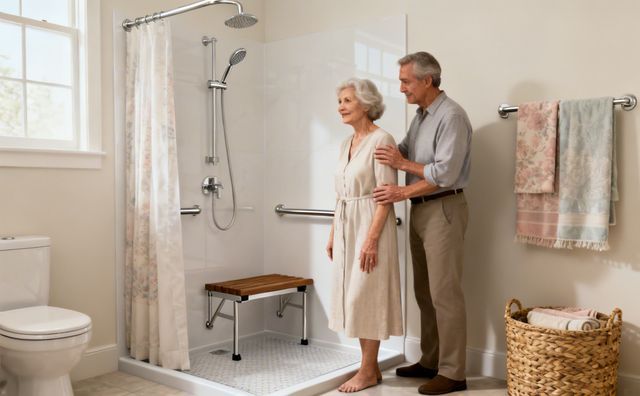
older family members and young children. Grab bars in bathrooms near toilets and
inside showers or tubs can prevent serious falls, and they now come in styles
that look more like towel bars or decor, which helps them blend in. Non slip
flooring in bathrooms, kitchens, and entryways is also very important, since wet
or glossy surfaces can be dangerous for both kids and grandparents. Good
lighting throughout the house, including night lights in halls and bathrooms,
helps prevent trips and makes it easier for everyone to see, read, and cook
without eye strain. These simple updates can often be done in a weekend and can
turn an average house into a much safer home for a multi-generational family.
Design choices that protect dignity matter just as much as safety features,
especially for older adults who want to feel capable, not helpless, in their own
home. Walk in showers with low or no thresholds and built in benches give
grandparents and others who are less steady a place to sit and wash without
needing someone to lift them over a tub wall. Handheld shower heads add more
control and comfort, and they also make bathing children easier, so they help
more than one generation. Adjustable height counters or work surfaces in
kitchens and laundry areas allow people of different heights and abilities to
cook or fold clothes without pain, and they can also be used for seated tasks.
When we choose these features, we send a clear message that every family member
is valued and expected to live with as much independence and grace as possible.
If your family is planning major changes, like adding a suite for grandparents
or turning a garage into a living space, it is wise to talk with medical or
mobility professionals before finalizing the plans. A physical therapist,
occupational therapist, or aging in place specialist can often see safety issues
that most of us would miss, such as the best height for a grab bar or the safest
way to place a toilet for someone who uses a walker. They can suggest small
changes, like where to put light switches or which direction a door should
swing, that can make daily tasks much easier. These experts can also think ahead
about how a health condition might change over the next five or ten years, so
the home will still work well later on. Taking time to seek their advice at the
start can save money and prevent injuries down the road, which is a blessing to
the whole family.
Kid-Friendly Yet Stylish Spaces
When you have kids and grandparents sharing the same home, it is important to
protect your finishes while still keeping a grown up look, and that often starts
with choosing the right materials. Washable paint is a lifesaver in hallways,
kitchens, and kids rooms, because you can wipe off fingerprints, food splatters,
and art experiments without repainting every few months. Durable upholstery in
darker or medium tones hides small stains and stands up better to jumping kids,
pets, and everyday use, yet modern fabrics can still look stylish and soft.
Leather or high quality faux leather can be wiped clean easily, while tightly
woven fabrics resist snags and pilling. When you choose finishes that are both
tough and attractive, the house feels welcoming to children without looking like
a daycare center, and grandparents can relax instead of worrying about every
spill.
Toys and kids gear can take over a house very quickly, so smart toy zones are
key in a multi-generational home if you want to stay organized and peaceful. Low
shelves let children put things away themselves and also make it easier for
grandparents to help clean up without constant bending or lifting heavy bins.
Baskets are simple, flexible, and attractive for storing blocks, dolls, and
cars, and they can be tucked under benches or into cabinets at the end of the
day. A crafted play mat that fits the rest of your decor, maybe in soft colors
or a simple pattern, gives kids a defined play area on the floor that looks like
part of the design instead of a loud plastic eyesore. These choices tell kids
that they are welcome in the living spaces while still honoring the adults who
enjoy a calm and orderly home.
Furniture that ages well is one of the best investments a multi-generational
family can make, since it must serve toddlers, teens, parents, and grandparents
over many years. Benches with storage work beautifully in entryways and dining
areas, because they hold shoes, games, or blankets while also offering flexible
seating for big family dinners. Slipcovered sofas can be washed, repaired, or
updated with a new cover instead of being thrown out if they get stained or
worn, which is especially helpful with small kids and pets. Stain resistant rugs
or indoor outdoor rugs are strong, easy to clean, and now come in many pretty
patterns, so you can have style without fear of muddy shoes or spilled juice. By
choosing pieces that can adapt and survive real life, you free your family to
relax and enjoy each other without panic every time a cup tips over.
Kitchens & Gathering Spaces: Heart of the Home
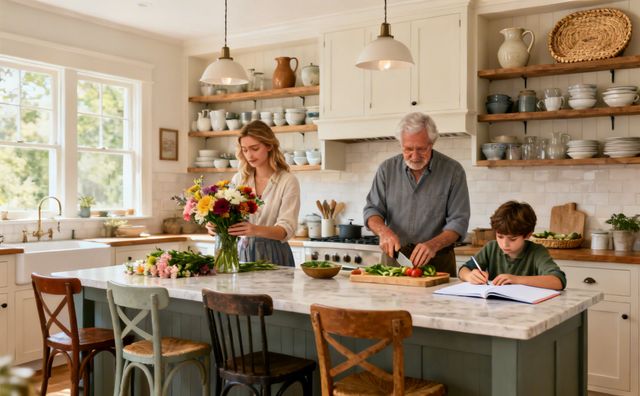
A kitchen that works for multiple cooks and helpers needs more thought than a
standard layout, because it becomes the heart and engine of the home in a
multi-generational family. Two prep zones can make a big difference, such as one
main counter near the stove for serious cooking and another smaller area with a
cutting board and sink for washing produce or packing lunches. A large island,
if you have space, can act as both a work surface and a gathering spot, allowing
grandparents to sit and chop vegetables while kids do homework nearby. Clear
walkways are important so people can pass behind someone working at the stove or
sink without bumping into them. When the kitchen is designed for shared use,
cooking turns into a family activity instead of a stressful solo job.
Dividing storage by user is another smart way to keep the kitchen calm and
functional, especially when several generations share the space. Lower drawers
or bins work well for kids and can hold cups, plates, and snacks that they are
allowed to reach on their own, which helps them build independence and keeps
them out of higher cabinets. Labeled pull out shelves at waist height are
wonderful for grandparents, since bending and stretching can be painful, and
labels make it easier to find things without constant searching. Adults who cook
often might have their own zones for spices, baking items, or special tools so
those things do not get scattered. When everyone has a clear place for their
items, the kitchen feels less crowded and arguments about clutter or lost items
happen less often.
Many women spend a lot of time in the kitchen and often care about both beauty
and function, so it is worth highlighting some features that tend to matter to
us. Good task lighting over counters, the stove, and the sink makes cooking
safer, easier, and less tiring on the eyes, and it helps early morning or
evening chores feel less gloomy. Open shelving can be both practical and pretty
when used for everyday dishes, cookbooks, or a few special pieces from past
generations, allowing family history to be part of daily life. A small dedicated
coffee or tea station with mugs, filters, and supplies in one place can become a
comforting morning spot for parents and grandparents and can keep these items
from cluttering the main counter. These thoughtful touches help the kitchen feel
like a place of care and hospitality, not just work.
Seating that invites conversation turns the kitchen into a true gathering place
instead of just a room for cooking and eating, and this is especially important
in a multi-generational home. A mix of stools at the island and comfy chairs or
a cushioned bench near a table gives people of all ages and abilities a place to
sit that feels good to them. Grandparents might prefer a sturdy chair with arms,
while teens may like casual stools where they can spin and talk. When there are
enough seats, family members are more likely to linger, share stories, and talk
through their days, which builds connection. Designing for long visits instead
of quick meals helps the family bond grow stronger over time.
Storage, Organization, and Dual-Purpose Rooms
With more people in one house, storage can quickly become a battle, so it helps
to set up clear systems that give each generation a place for their belongings.
Labeled baskets work well in entryways, living rooms, and bathrooms, holding
everything from shoes and scarves to remote controls and toiletries, while
keeping surfaces from getting buried. Vertical shelving takes advantage of
height, which is especially useful in small homes, and can hold books, photo
albums, and hobby supplies. Under bed drawers or boxes are perfect for off
season clothes, extra blankets, or keepsakes, and they help grandparents and
parents store special items without filling shared closets. When every person
knows where their things go, the home feels calmer and less cluttered, even with
many people sharing it.
Dual purpose rooms are a secret weapon in multi-generational living, because
they let one space meet several needs without making the home feel cramped or
messy. A home office by day that turns into a guest room at night can be set up
with a sleeper sofa or a daybed that looks like normal seating but opens into a
bed when needed. Fold down desks or wall mounted tables can give adults a place
to work or pay bills, then tuck away when grandparents come to stay or when kids
need space to play. Storage cabinets with doors keep office supplies out of
sight so the room can shift from work zone to restful space. This kind of
flexible design helps the family adapt to changing seasons, visitors, and new
routines without needing a larger house.
Even the best layout will not work well without good habits, so daily routines
and simple systems are vital if you want your multi-generational home to feel
calm and functional. Decide on a regular time for basic chores like dishes,
laundry, and tidying common areas, and assign age appropriate tasks so the load
is shared fairly. Use simple tools like a family calendar, a whiteboard, or a
shared app to track meals, appointments, and visitors, so grandparents are not
surprised by noisy sleepovers and parents do not miss important dates. Keep
systems easy to follow, such as a laundry basket in each bathroom or a rule that
everyone clears their own place after meals. When routines are clear and
consistent, the house runs more smoothly and there is more time and energy left
for enjoying one another.
Decor that Bridges Generations (Women's Focus)
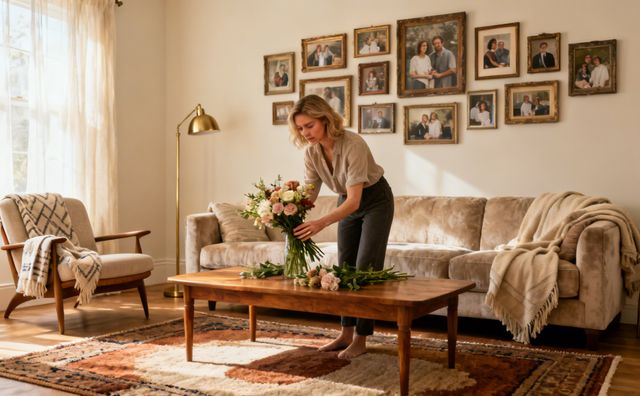
Decorating a multi-generational home can be a joy when you blend tradition with
fresh, easy care elements so that the space feels alive, not like a museum.
Heirloom pieces, such as a grandmother’s chest, a hand carved table, or old
framed recipes, can become focal points in living and dining rooms, reminding
everyone of the family’s roots. At the same time, soft and simple textiles, like
washable throw blankets, cotton slipcovers, and modern curtains, keep the space
from feeling too heavy or formal. Mixing old and new gives honor to the past
while showing that the home is still growing and welcoming the next generation.
This balance lets grandparents feel seen and valued, while kids and parents feel
comfortable and free to live in the space.
Choosing a color palette that appeals across ages is another way to create
harmony in a multi-generational home, and warm neutrals with gentle accents work
very well. Soft whites, creams, warm grays, and gentle tans create a calm
background that helps different furniture styles and heirlooms blend together.
Accent colors like sage green, soft blue, or muted terracotta can then be added
through pillows, rugs, and artwork to give life and personality without feeling
loud or childish. These shades tend to be easy on the eyes for older adults
while still looking modern and fresh for younger family members. A thoughtful
palette makes the home feel pulled together and restful, even when the rooms are
full of people and activity.
Small feminine touches can transform a plain house into a true home, and they do
not have to be fussy or expensive to make a big difference. Fresh flowers on the
table, even if they are just simple wildflowers or greenery from the yard, bring
life and beauty into the living spaces and mark ordinary days as special.
Curated books on shelves or coffee tables invite conversation and give guests
and family members something meaningful to pick up, rather than just staring at
screens. Pretty storage baskets or boxes hide everyday clutter like remotes,
chargers, and mail while adding texture and warmth to a room. These gentle
touches reflect care and hospitality, which help everyone feel welcomed and
loved.
Art and accessories are a wonderful way to tell family stories in a
multi-generational home, and they can spark conversations between children,
parents, and grandparents. You might frame old family photos, wedding pictures,
or images from a family farm or hometown and hang them in hallways or
stairwells. Handmade items like quilts, cross stitch, or woodwork can be
displayed where they can be admired and talked about, rather than stored in a
closet. You can also create a small gallery wall with children’s artwork mixed
in simple frames, right alongside more traditional art, to show that each
person’s creativity matters. When your decor reflects your family’s history and
values, the house starts to feel like a shared story instead of just a building.
Managing Family Dynamics and Boundaries
House rules are not just for kids in a multi-generational home, and regular
family meetings can help everyone agree on shared expectations so daily life
stays peaceful. These meetings can be held once a week or once a month, and they
are a good time to talk about rules for noise, screen time, shared spaces, and
guests. You can also discuss chores, such as who takes out the trash, who cooks
on certain days, and who helps with yard work, so that no one person carries all
the work. Visitor policies and quiet hours are especially important, because
what feels normal to a teenager might be very stressful to a grandparent. When
everyone has a chance to speak and be heard, the rules feel more fair and are
more likely to be followed.
Writing down agreements about chores, bills, and caregiving duties might feel a
little formal for family, but it can actually prevent hurt feelings and
resentment in the long run. A simple written plan can list who pays for which
bills, how groceries are handled, and how much adult children contribute for
rent or utilities. You can also spell out who is mainly responsible for
different caregiving tasks, such as driving grandparents to appointments,
watching the children after school, or staying home with a sick family member.
When these responsibilities are clear on paper, it is easier to see if one
person is doing too much and to adjust before they feel burned out. Written
agreements give everyone a shared reference point and help keep expectations
realistic and honest.
Respect and privacy are crucial when several generations live together, and
small daily rituals can go a long way in protecting those values. Knocking
before entering a bedroom or a closed bathroom door may seem simple, but it
sends the message that each person’s space matters, even for children and teens.
Separate mail areas or folders help keep personal letters and important papers
from getting mixed up or opened by the wrong person. A clear shared calendar on
the wall or on a family app lets everyone know about appointments, guests, and
trips, which reduces surprises and helps grandparents prepare for noisy days or
quiet weekends. These habits build trust and show that even though you share a
roof, you still honor each person’s personal life.
Life changes, children grow, and health needs shift over time, so regular check
ins are important to adjust routines and keep the home working well for
everyone. These talks do not have to be long or heavy, but they should be
honest, giving space for people to share what is going well and what feels
difficult. You might find that a grandparent needs more rest in the afternoon,
or that a teen needs a quieter place to study, or that parents are feeling worn
out by extra caregiving duties. Once needs are voiced, you can work together to
adjust schedules, swap chores, or rearrange spaces so the load feels more
balanced. Check ins help the family stay united and remind everyone that this
living arrangement is a shared project, not a fixed burden.
Budgeting, Zoning, and Long-Term Planning
Because multi-generational living usually involves some level of remodeling or
rearranging, it is wise to outline a clear budget before you begin so that money
stress does not damage family relationships. Start by listing expected
renovation costs, such as building a bathroom, finishing a basement, or adding a
ramp, and get at least two quotes for bigger projects. Then talk through ongoing
household contributions, including mortgage or rent, utilities, groceries, and
internet, and decide who will pay what amount each month. It is also important
to set aside an emergency fund for things like a broken appliance, medical
needs, or sudden repairs, since surprises are more likely with more people in
the house. A clear budget gives everyone peace of mind and helps prevent
arguments over money later.
Before making big changes to your home, you should check zoning laws and legal
rules in your area, especially if you plan to add an accessory unit or change
how many people live on the property. Some places require permits for adding
bathrooms, kitchenettes, separate entrances, or decks, and skipping this step
can lead to fines or trouble when you try to sell the home later. There may also
be rules about renting out part of your home, parking requirements, or limits on
how big an accessory dwelling can be. Taking time to understand these guidelines
at the start keeps your project safe and legal and protects the investment you
are making for your family. This kind of due diligence is part of being a wise
and responsible homeowner.
Planning for the future is just as important as meeting today’s needs when you
design a multi-generational home, because health, jobs, and family size can all
change over time. Think about adaptable rooms that can shift roles as the family
grows, such as a playroom that can later become a study, guest room, or hobby
space. Consider how any renovations will affect resale value, since someday you
or your children might need to sell the house, and buyers often appreciate
flexible layouts and extra suites. Try to estimate long term caregiving costs,
such as extra medical equipment, in home nursing help, or transportation, and
how the family might share those burdens. When you keep the long view in mind,
the choices you make today can continue to bless your family many years from
now.
Big projects and complex financial decisions are not something you have to
figure out alone, and it is wise to seek advice from professionals who
understand both homes and money. A licensed contractor or architect can help you
design safe, legal spaces that fit your budget and meet building codes. A city
planner or local zoning official can explain what is allowed on your property
and how to apply for permits in the correct way. A financial advisor can help
you think through shared costs, retirement plans, and how multi-generational
living might affect savings or debt. Bringing in expert help at the right time
can protect your family from costly mistakes and help your home serve each
generation well.