
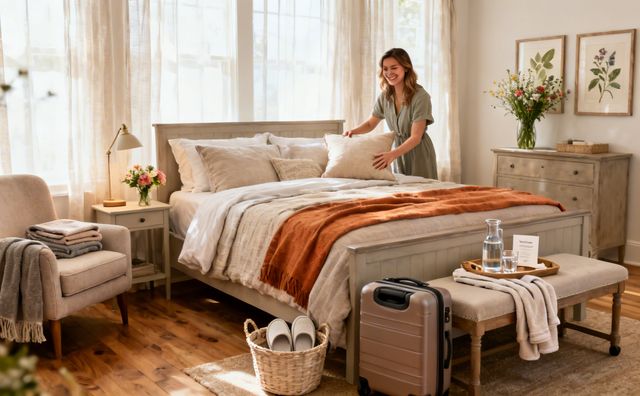
Welcoming Guest Rooms: Preparing Spaces for Hospitality and Comfort
Design inviting guest rooms that make every visitor feel at home.
Why Welcoming Guest Rooms Matter
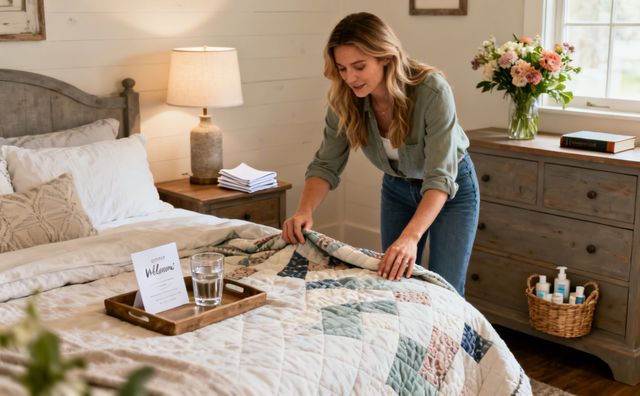
When I think about a true guest room, I see much more than a spare bed that
happens to be empty most of the year; I see a space that quietly says, “You are
welcome here, and I thought of you before you arrived.” A well prepared guest
room is a very simple way to show real hospitality and care, because it tells
your visitor that you value their rest, their privacy, and their comfort. As a
Christian, I believe home is one of the best places to live out love and
service, and a guest room becomes a physical picture of that. Even if your space
is small or your budget is tight, the effort you put into that room can turn a
basic overnight stay into a peaceful little retreat that blesses both your
guests and your family.
In my years in real estate, I saw over and over how a prepared guest room made a
house feel more complete and more valuable in the eyes of buyers, even if the
square footage was the same as the home next door. When people walked into a
well planned guest room, they could picture grandparents visiting, friends
staying for holidays, or even using the space as a future nursery or office, and
that picture added emotional and financial value at the same time. A room that
is clearly ready for guests sends a message that the home is cared for and well
organized, which gives people more confidence in the whole property. Even if you
never plan to sell, thinking like a buyer can help you design a space that is
flexible, inviting, and smart for the long term.
A good guest room can quietly strengthen family ties by making it easier for
grandparents, grown children, and cousins to come for longer visits without
feeling like they are in the way. When friends know you have a comfortable space
ready for them, they are more likely to plan weekends together, stay after
special events, or join you for holidays, and that builds memories you simply
cannot buy. For me, creating a welcoming guest room is one way to live out
personal values like warmth, generosity, and respect for others, because it
gives them privacy, comfort, and a sense that they belong under your roof. The
room itself becomes a reflection of your heart for hospitality, more than any
fancy meal or perfect schedule ever could.
There is also a very practical payoff to setting up a thoughtful guest room, and
it shows up every time someone visits. When the space is already stocked and
arranged, you avoid the last minute scramble of washing sheets, hunting for
extra blankets, or shifting piles of stuff out of the way, which makes hosting
feel easier and less stressful. Guests who sleep well and feel cared for are
more likely to come back, stay longer, and even plan ahead with you, which
strengthens relationships and makes your home a natural gathering place. Over
time, that one ready room saves you energy, cuts down on chaos, and turns
surprise visits into something you can honestly enjoy instead of dread.
Planning the Space: Layout and Function
Before I make any design choices, I stop and think about who will actually use
the guest room and how often, because that answer should guide almost every
decision. If your main visitors are grandparents who come for long weekends, you
will need different storage and comfort items than if you mostly host your
children’s friends for one night sleepovers or missionaries passing through for
a week. I ask myself questions like, “Will someone be working in here on a
laptop, will they unpack fully, and do they have any special needs such as a
firm bed or a quiet place to pray?” Once you know your typical guest, you can
avoid random purchases and instead create a room that fits real life.
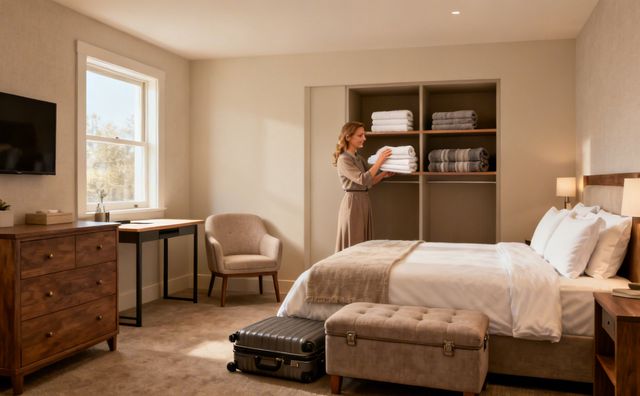
When I plan the layout, I always start with clear walking paths and enough space
for at least one suitcase, because nothing feels more awkward than climbing over
bags just to reach the bed. I like to place the bed so guests can get in from
both sides if possible, which makes it easier for couples or older relatives,
then I leave room near the door or at the foot of the bed for luggage or a
bench. Even in a small room, I try to keep the main pathway from door to bed
open and free from cords, clutter, or low furniture that might trip someone at
night. A layout that respects movement makes the room feel bigger and safer
without changing the actual size.
Whenever space allows, I recommend adding a small table or desk so your guests
have a proper surface for a laptop, Bible, journal, or even just a cup of tea.
This does not have to be a large office desk; a narrow writing table or sturdy
side table can work just as well if the chair fits comfortably underneath. A
simple setup with a lamp, a pen, and maybe a coaster tells your guest that you
expect them to settle in rather than balance everything on the bed. For people
traveling for work, this little detail can be the difference between a restful
visit and a stressful one.
I find it helpful to think of the room in simple zones, which keeps the space
from feeling cluttered and makes it more functional. The sleep zone focuses on
the bed, soft lighting, and quiet, the storage zone handles luggage, hanging
clothes, and a spot for small items, and, if you have the room, a small sitting
area gives your guest a place to read, pray, or just have a moment alone. Even a
single chair with a side table can create a mental divide between “bedtime” and
“daytime,” which helps people rest better. By planning these zones on paper
first, you can use your space wisely and avoid the common trap of cramming in
random furniture that does not truly serve your guests.
Choosing Comfortable Beds and Bedding
When it comes to the bed itself, I believe comfort matters more than almost
anything else, so I either invest in a good mattress or use a high quality
mattress topper to upgrade a basic one. Guests may be polite and say they slept
fine, but if the mattress is lumpy or sagging, you can be sure they will leave
with a sore back and less energy. A decent medium firmness works well for most
people, and a good topper can make even a budget mattress feel much more
supportive and cozy. If money is tight, I would rather keep the rest of the room
simple and put my main investment right here, because deep sleep is what your
guests will appreciate the most.
I choose breathable sheets made from natural fibers like cotton or linen,
because they help regulate temperature better than many synthetics and feel good
against the skin. While I love pretty bedding, I focus first on quality and
durability, which means sheets that can handle frequent washing without getting
rough or pilling. For pillows, I keep a mix of soft and slightly firmer options,
so that both side sleepers and back sleepers can find something that works for
them. Neutral colors with a calm pattern or solid tone help the room feel
restful, and they are easier to mix and match if you need to replace a piece
later.
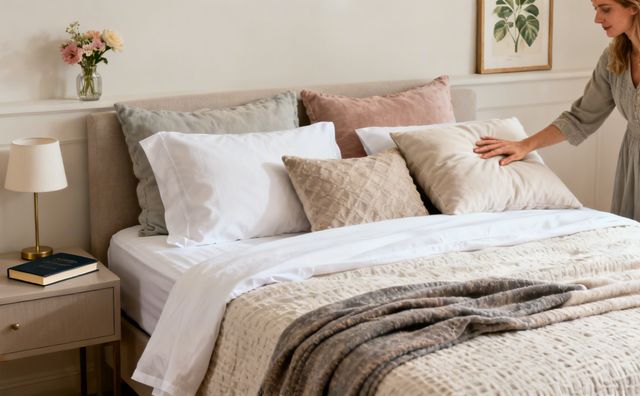
Layering the bedding gives you flexibility, especially if you host guests from
different climates or ages who feel warm or cold at different times of night. I
start with a fitted sheet and flat sheet, then add a lightweight duvet or
comforter that works for most seasons, and finally place a folded throw or light
blanket at the foot of the bed for extra warmth. This way a chilly guest can add
layers, while someone who runs warm can just use the sheet and still feel
covered. It also looks inviting when they walk in, almost like the bed is
quietly saying, “You can make this just how you like it.”
I always keep extra pillows of different firmness levels and at least one spare
blanket in an obvious, easy to reach spot, not buried in a closet where a shy
guest might hesitate to look. A simple basket or a dedicated shelf with a label
makes it clear that the items are meant for them, and that they are free to
adjust the bed to their own comfort. Extra pillows can also help older guests
prop up their legs, support their back, or sit up to read without straining.
These small choices cost very little but show deep thoughtfulness, and they can
turn an ordinary sleep into a truly restful night.
Thoughtful Furniture and Storage
When choosing furniture, I pay close attention to the scale of the room so I do
not overpower a small guest room with a huge bed frame or a bulky dresser that
eats up all the floor space. In tighter rooms, I often choose a simple bed frame
or even a platform base with storage underneath instead of a big headboard and
footboard. A couple of well sized pieces that fit the room are far better than
trying to squeeze in a matching set that makes the space feel cramped and hard
to move around in. The goal is for your guest to feel open and relaxed, not like
they are sleeping in a storage closet.
A luggage bench or low table at the foot of the bed, or near a wall, is one of
my favorite practical additions, because it keeps dirty suitcase wheels off the
bedding and makes packing and unpacking so much easier. If you do not have room
for a bench, a sturdy ottoman or even a low side table can serve the same
purpose, as long as it can handle the weight of a suitcase. This simple item
helps keep the room cleaner, protects your linens, and sends the message that
you planned for how guests actually live out of their bags. It also saves your
guests from bending all the way to the floor every time they need something from
their luggage.
No guest enjoys living out of a suitcase on the floor, so I always offer some
kind of hanging space along with at least one drawer or shelf where they can set
personal items. This might be a small section of a closet with hangers, a simple
wall mounted hook rack, or a freestanding garment rack if you lack a built in
closet. A narrow dresser or open shelf gives them a place for folded clothes, a
Bible, or their glasses, which helps the room feel more like home and less like
a hotel. It shows respect for their belongings and makes longer stays much more
pleasant.
The small details in a guest room can make a bigger impact than expensive
pieces, so I pay attention to items like a mirror, a low stool, and a basket for
extra linens. A mirror, even a simple one on the back of the door, lets guests
check their appearance without needing the main bathroom, which can be
especially helpful when many people are getting ready at once. A low stool can
double as a step for high shelves, an extra seat, or a place to put on shoes,
and a basket neatly holds extra towels or blankets in plain sight. These touches
are quiet helpers that make the room more useful and more comfortable without
taking up much space.
Lighting and Ambiance

Lighting can truly change how a guest room feels, so I like to use layers of
light for different needs, such as bright overhead lighting for cleaning and
packing, softer bedside lamps for reading, and a gentle night light for comfort.
The overhead light helps me see dust and dirt when I prepare the room, while the
lamps give guests more control when they want to unwind in the evening without
feeling like they are in a spotlight. A small night light in the hallway or
plugs can keep older guests and children from stumbling in the dark when they
need the bathroom. These layers work together to create both safety and
coziness.
Warm light bulbs, which give off a softer, yellow tone, usually make a room feel
more restful than bright white or cool blue bulbs, so I choose those for bedside
lamps and main fixtures whenever possible. I also like lamps that are
adjustable, either with a dimmer switch, a three way bulb, or an easy to reach
switch on the cord, so guests do not have to fumble in the dark. Giving people
control over brightness lets them match the light to their own routines, whether
they read late or go to bed early. This small measure of control can help guests
relax, especially when they are already sleeping in a new place.
Sleep quality is deeply affected by light, so I add blackout curtains or at
least a light blocking layer behind a pretty curtain for guests who are
sensitive to early morning sun or bright streetlights. These do not have to look
heavy or dark; you can choose a simple liner behind a lighter fabric so the room
still looks airy during the day. A good curtain rod that closes fully without
gaps on the sides can also keep out annoying light from neighbors or passing
cars. This is especially useful if you have guests crossing time zones, parents
trying to get a toddler to nap, or night shift workers who may need to sleep
during the day.
To add a gentle sense of calm, I sometimes place a small essential oil diffuser
or a subtle scented candle in the guest room, though I am careful and thoughtful
with scent. I never run strong scents right before a guest arrives, and I always
choose very mild, natural smelling options such as lavender or citrus, because
many people are sensitive to heavy perfumes. When the room is empty, a soft
scent for a short time can help remove stale odors and make the space feel fresh
without harsh chemicals. I also keep the candle for looks and leave a note that
guests can decide for themselves if they want to use it, which respects personal
preferences and possible allergies.
Personal Touches and a Hospitality Kit
On the nightstand or a small tray, I like to include a simple hospitality kit
with a water carafe and glass, a couple of healthy snacks, a spare phone
charger, and basic toiletries like travel soap, toothpaste, and a toothbrush.
These small items save your guest from awkward moments, such as needing water in
the middle of the night or having forgotten a toothbrush and being too shy to
ask. Since I follow a paleo diet, I try to offer snacks that are not loaded with
sugar, such as nuts, dried fruit without added sugar, or dark chocolate, but you
can adjust to what fits your home. The goal is not luxury, but basic comfort and
care that says, “I thought about what you might need.”
A handwritten welcome note or a simple printed card with the Wi Fi password,
local tips, and emergency contacts goes a long way in making guests feel
informed and secure. I like to include a short greeting, my cell number, the
house address, and any special notes such as where to park or what time we
usually start breakfast. For guests from out of town, a few ideas for nearby
walks, coffee shops, or churches can help them feel more confident leaving the
house on their own. This little card answers common questions without forcing
them to track you down every time they need information.
I try to imagine a very particular or sensitive guest and prepare for them,
because that level of thoughtfulness helps everyone who visits the room. For
example, I might offer an unscented soap and detergent on the sheets for those
with allergies, and add one or two snack options that are gluten free or nut
free. If I know guests share my faith or come from a background where quiet time
is important, I might make sure there is a peaceful chair by the window where
they can pray or read without interruption. Even if the next visitor does not
need these exact things, the habit of thinking ahead shapes the whole room
toward gentleness and flexibility.
Seasonal touches keep the guest room comfortable without a lot of work, so I
keep a lightweight throw easy to grab in summer when air conditioning can feel
chilly and a warmer blanket or quilt ready to pull out in winter. I also adjust
the hospitality kit with seasonal items, such as herbal tea bags in cold months
or a small handheld fan for warmer times if your climate gets hot. Rotating
these things two or three times a year keeps the room from feeling forgotten or
stale. It also helps you check on what needs to be washed, refilled, or replaced
before the next guest appears at your door.
Practical Touches for Families and Kids
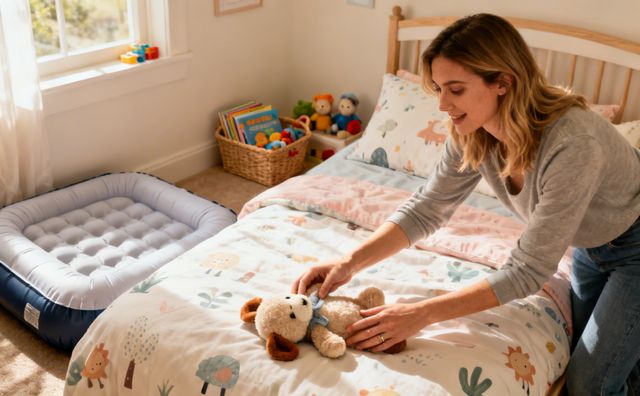
When we host families with kids, I like to set up a small drawer or basket just
for children with a nightlight, a couple of simple toys or books, and extra
bedding like a small quilt or spare pillow. This helps parents feel more relaxed
right away, because they see that we are not worried about their children being
present, and it gives kids something quiet to do if they wake up early. The
nightlight in particular can be a big comfort in an unfamiliar room, and it
keeps little feet safer if they need to get to their parents in the dark. These
few kid friendly items cost very little but communicate that children are truly
welcome.
If we are short on permanent beds or we often host larger families, I like to
keep a fold out bed or air mattress with clear instructions for setup stored
nearby. Before guests arrive, I check for leaks, make sure the pump works, and
place a fitted sheet, pillow, and blanket in a labeled bag so everything is
ready in one place. I also think ahead about where the extra bed will fit
without blocking doors or walkways, so we are not trying to rearrange furniture
at bedtime when everyone is tired. A well prepared extra bed can turn one guest
room into a flexible space that fits several children or an extra adult with
very little trouble.
For our own family needs and for frequent visitors like grandparents, I label
certain storage spots so people know where to find extra towels, diapers, a
changing mat, or spare pillowcases without asking every time. Clear labels on
baskets, shelves, or closet bins keep order when multiple people are using the
room and help returning guests feel more at home, almost like honorary family
members who know the “house system.” Parents especially appreciate knowing
exactly where the wipes or extra pajamas are when there is a middle of the night
spill. Good labels also make it easier for children to help clean up their own
things.
I pay special attention to safety in a guest room that might host children,
starting with outlet covers on unused outlets, a non slip rug pad under any area
rug, and a small first aid kit stored in a marked, reachable place. The first
aid kit does not have to be big; a few bandages, antiseptic wipes, and pain
relievers (kept out of reach of young children) are usually enough for minor
issues. I also look around the room from a child’s height to see if there are
cords to pull, heavy items that could be tipped, or sharp corners that could be
softened. These steps help protect little ones and give parents greater peace of
mind.
Because family visits do not always go as planned, I like to keep a couple of
simple board games and a short list of family friendly movies or shows ready for
rainy evenings or unexpected quiet times. I store games that do not have a
million tiny pieces, so cleanup is easy and the pieces do not get lost in the
bedding. A printed list of streaming options or DVDs that we are comfortable
with saves time and avoids awkward debates when everyone is tired. These small
entertainment choices help turn a long, stormy evening into a memory of laughter
instead of boredom.
Cleanliness, Safety, and Accessibility
To keep the guest room truly ready, I use a simple cleaning checklist that I run
through a day or two before anyone arrives, which keeps me from forgetting
little things. I include tasks like dusting all surfaces, wiping light switches
and door handles, vacuuming under the bed, washing the bedding, and checking the
bathroom if it is connected. I also like to open the window for a short time to
let in fresh air, which helps clear out any stuffy smells. A regular routine
means the room does not become a catch all storage space, and I can welcome last
minute guests with much less stress.
Along with cleanliness, I take a few minutes to walk through the room and check
basic safety items such as smoke detectors, clear pathways, and rugs that might
slip. I press the test button on the smoke detector, look for extension cords
that cross where people walk, and make sure bedside lamps are stable and easy to
reach from the bed. If any rug lifts or shifts easily, I add a non slip pad or
remove it altogether, since a pretty rug is not worth a bad fall. These small
checks protect everyone, especially older guests who may have trouble with
balance.
Not every home can be fully accessible, but I still try to offer small touches
that make the room easier for guests with limited strength or mobility, such as
a firm step stool, drawer handles that are easy to grip, and clear lighting from
the bed to the bathroom. A step stool can help shorter guests reach high shelves
and can also assist older relatives in getting in and out of a tall bed. Simple
handles on furniture and doors are easier for stiff fingers or arthritis than
tiny knobs. Good lighting reduces the chance of falls and helps guests feel more
independent during their stay.
If I know a guest has mobility needs, I like to talk with them before they
arrive and explain honestly what I can and cannot provide, then make a plan
together. This might mean arranging the furniture so a walker or small
wheelchair fits, placing the bed on the side of the room that gives them the
easiest access to the bathroom, or adding a temporary grab bar or sturdy chair
near the shower. If my home cannot meet every need, I say that clearly and help
them think through other options such as a hotel nearby or renting special
equipment. Open communication builds trust and keeps everyone safer and more
relaxed.
Finishing Touches and Seasonal Ideas
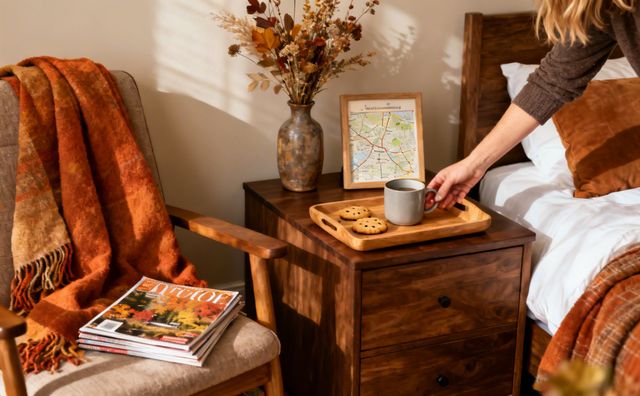
One way I keep the guest room feeling fresh is by updating small decor pieces
with the seasons, such as swapping in lightweight linen throws and lighter
colored pillow covers in summer, then bringing in a cozy wool throw and warmer,
richer tones for winter. These changes do not require repainting or buying all
new furniture, but they quickly shift the mood of the room to match the weather
outside. In hot months, lighter fabrics and colors signal coolness and airiness,
while in cold months, heavier textures and deeper tones make the room feel snug
and protected. This seasonal rhythm also reminds me to check on the bedding and
wash or mend anything that needs attention.
To avoid clutter, I change out just a few prints, photos, or flowers from time
to time rather than redoing every corner, which keeps the guest room current
without feeling like a project every season. For example, I might use a simple
floral print and a small vase of fresh or dried flowers in spring, then replace
them with a quiet landscape and a sprig of evergreen in winter. This keeps the
room from becoming visually noisy while still showing that it is loved and
tended. In my experience, guests notice the overall calm and care more than a
long list of decorations.
I also like to add small local touches that give guests a sense of place and
connect them to our community, such as a map of nearby walking paths, a handmade
item from a local artisan, or a simple printed recipe for a local dish we love.
These things do not need to be touristy, they just need to say, “This is where
we live, and we are glad to share a bit of it with you.” For friends and family
who travel from far away, these touches can be especially meaningful and help
them remember their time in your home long after they leave. It is a gentle way
of showing both hospitality and gratitude for the area God has placed you in.
One of my favorite traditions is keeping a simple guest book or even a jar with
small note cards where visitors can leave messages, memories, or tips for future
guests. Over time, these notes become a sweet record of the people who have
stayed with us, the prayers answered, and the stories shared around our table.
New guests sometimes enjoy reading a few entries, which helps them feel
connected to a wider circle of friends and family even if they have never met.
This practice keeps hospitality from being just about clean sheets and pretty
decor and reminds me that the real treasure is the relationships built inside
those four walls.