
Modern Unity Rituals: Fresh Ideas for Meaningful Connections
Unique Unity Ceremony Inspirations for Personal Celebrations
Why Modern Unity Rituals Matter
Unity rituals began in religious and cultural settings where people wanted a
clear picture of two lives becoming one, like candles, cords, or shared cups
that showed families and communities the couple was no longer separate but
joined in front of God and witnesses, and over generations these small acts
became expected traditions that carried deep meaning about loyalty, sacrifice,
and the start of a new household.
Today I see many couples choosing unity rituals that feel more like them, not
just repeating something because it is in a script, and they often look for
ideas that show their personalities, their hobbies, their shared faith, or even
how they care about nature, so the ritual becomes a real expression of their
story instead of a random moment in the ceremony.
When a couple chooses a unity ritual with care, it can quietly teach what their
marriage is about, whether that is faith, service, or family, and it can also
include parents, children, or close friends so they feel honored, while guests
watching are reminded that this is not just a pretty event but a covenant and a
gathering of two circles of people who are now linked.
I believe unity rituals can still respect the faith and culture you grew up with
while staying small and personal, because you can adjust words, symbols, or who
participates so that the focus remains on the bride and groom and their promise,
yet the deeper roots of your background are not forgotten and older generations
still feel seen.
As a Christian wife, I care that any ritual I recommend points back to God as
the author of marriage and underlines the roles of husband and wife as partners
who serve and lead their home together, so I lean toward symbols that show
commitment, sacrifice, and lifelong faithfulness rather than trends that might
look cute but do not support those values.
When couples choose a unity ritual that fits their faith and story, they often
walk back up the aisle feeling that something holy and purposeful has happened,
that their union was not just legally recognized but truly witnessed, blessed,
and set apart in a way they and their guests will remember when hard days in
marriage come later.
Choosing a Ritual That Fits Your Values
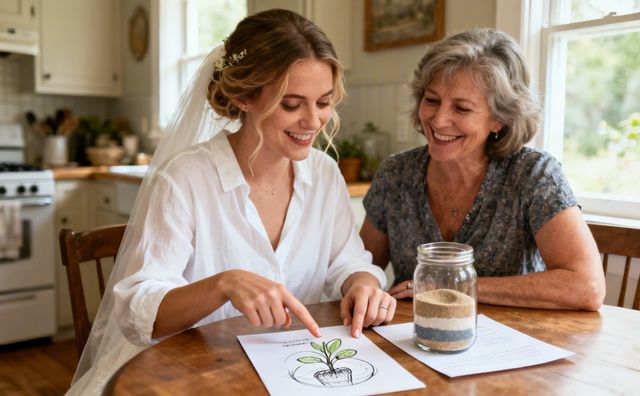
When you start planning a unity ritual, I think it helps to sit together and
list your shared values like faith, family, creativity, or even caring for the
environment, because once you see what matters most to both of you, it becomes
easier to pick a symbol that shows that value in action instead of copying what
you saw at someone else’s wedding.
I like to ask three simple questions with couples I help: What matters most to
us in our life together, such as faith or loyalty; whom do we want to include,
maybe parents, kids, or church leaders; and what feels truly authentic, meaning
you would still choose it even if nobody took pictures, because these answers
guide you toward a ritual that fits your heart and not just the latest style.
After you know your values and answers, you can narrow your options to unity
ideas that match the tone of your ceremony, whether that is very formal in a
church, relaxed in a barn or garden, or small and intimate in a backyard,
because a ritual that fits the setting will feel natural and keep the flow of
the service instead of feeling forced or awkward.
Before you lock in any tradition, I strongly suggest you speak privately with
key family members, especially parents or grandparents, to explain what you plan
to include and why, since this simple conversation can prevent hurt feelings,
show honor to older generations, and sometimes bring out helpful stories or
blessings you might want to weave into your unity moment.
Classic Rituals with a Modern Twist
A unity candle is a classic, but you can make it feel personal by choosing
colored taper candles for each of you, maybe in shades that match your wedding
colors or even your birthstones, and then lighting one larger candle that is
decorated with flowers from your families so that every time you see it at home
you remember both sides coming together into one new light.
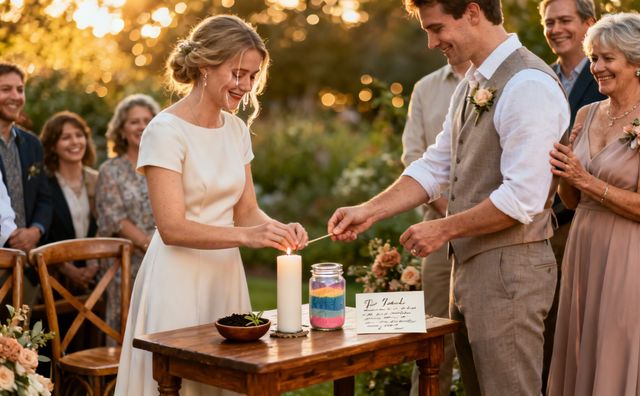
For a sand ceremony, you can use locally sourced sand or even sand from places
that matter to you, like a beach where you got engaged or the hometown you grew
up in, and pour them into a clear vase along with smaller labeled jars so that
the finished piece becomes a simple art display in your home and a reminder that
your lives cannot be separated again.
Handfasting can be updated in a modern and modest way by choosing cords or
ribbons in colors that match your wedding palette or carry special meaning, like
a color for faith or joy, and inviting a close friend or pastor who knows your
story to gently wrap your joined hands while they read a blessing, so it feels
more like a prayerful moment than a performance.
Nature-Inspired Unity Rituals
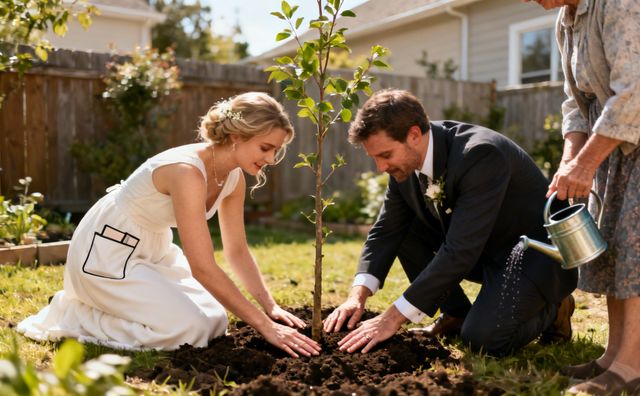
Planting a tree or caring for a shared potted plant during the ceremony creates
a living symbol of your marriage, since you both add water or soil and then
commit to tending it over the years, and each new leaf or branch can remind you
that your relationship needs steady care, sunlight, and patience in the same way
to grow strong and give shade to others.
A soil and seed ceremony lets each of you pour a bit of soil from meaningful
places, such as your childhood homes, into one pot and then scatter seeds
together, showing that your backgrounds are now feeding the same future, and
when those seeds sprout later you have a visible picture of hope, new life, and
the family you may build together in time.
With a river water blending ritual, you can collect water from locations that
matter to your story, like a river near your church or a spring near your home,
and then pour them together into one decorative vessel during the ceremony,
creating a simple but powerful image of two separate streams now flowing as one,
which can later sit as a reminder on a shelf or table.
Family-Inclusive Rituals That Honor Loved Ones
A ribbon or braid ceremony works nicely when you want to involve family, because
each parent or close relative can bring a strand of ribbon or fabric and add it
to a single braid while a short line is read about support or prayer, and at the
end you have a strong cord that you can keep as a visual reminder that your
marriage is held together by love, faith, and community.
Memory stones invite every guest to take part in a quiet way, as they each hold
a small stone, say a brief prayer or thought for you, then place it into a bowl
and maybe write a short note on it, and after the wedding you can read these
messages and keep the stones in a clear jar as a long lasting record of the many
voices that cheered you on at the start of your marriage.
Generational vows give parents or grandparents a gentle way to bless you by
letting them stand and read a short promise or Scripture over your marriage,
sharing what they have learned about faithfulness and sacrifice, and this not
only honors their years but also shows everyone that your union is part of a
bigger story that stretches before and beyond your own wedding day.
Faith-Sensitive and Culturally Mindful Ideas
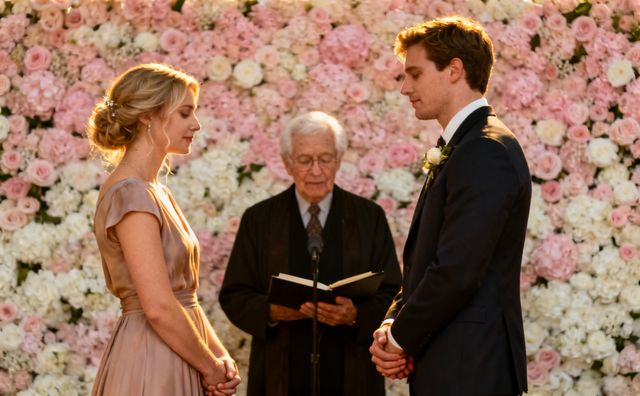
If you share my Christian faith, you might like to blend a simple prayer with
your unity act, such as asking your pastor to pray over you as you light a
candle or pour sand, which ties the symbol back to what you believe about God’s
design for marriage and makes the moment more than just a pretty photo for
guests to watch.
When you want to include cultural traditions from your family background, I
suggest talking with elders to learn the original meaning and then adapting the
custom in a way that honors that meaning without adding parts that feel empty,
so the ritual remains respectful and rich while still fitting the style and
length of your modern ceremony.
If you find that a popular ritual clashes with your beliefs or makes you
uncomfortable, you do not have to use it at all, and instead you can design a
similar symbolic act, like choosing a different object or wording, that still
shows unity, service, or covenant in a way that honors your faith and keeps your
conscience clear.
DIY and Personalized Ritual Ideas for Brides
A time capsule ritual can be very meaningful when guests write notes, share
prayers, or add small flat items like photos or song lyrics into a box that you
seal during the ceremony, planning to open it on a special anniversary so that
on that day you can look back together and remember how many people were there
cheering for your marriage from the very beginning.
If you love scent like I do, you might enjoy blending your favorite essential
oils or simple fragrances into a small bottle as part of the ceremony, creating
a shared home scent that you later use in a diffuser, and every time you smell
it you will remember the promises you made and the feeling of standing together
as one for the first time.
A recipe jar ritual works well for couples who enjoy cooking, because each
family can bring a favorite spice or herb and pour it into one glass jar while
the officiant talks about how different flavors make a meal richer, and later
you can use that spice blend in your kitchen as a symbol of how both families
season and support your new home.
Keepsake quilt squares let guests sign simple fabric pieces with fabric markers
during or right after the ceremony, and later you can sew or have them sewn into
a quilt, which becomes a warm, physical reminder of the many hands and hearts
that covered you in love on your wedding day and can be passed down to future
children.
A letter exchange is one of my favorite rituals, where you each write a private
letter before the ceremony about why you chose one another and your hopes for
marriage, then seal them in a box during the service with a plan to open them on
your first anniversary or during a hard season, giving you honest words to hold
onto when feelings are tested.
Planning, Timing, and Making It Seamless
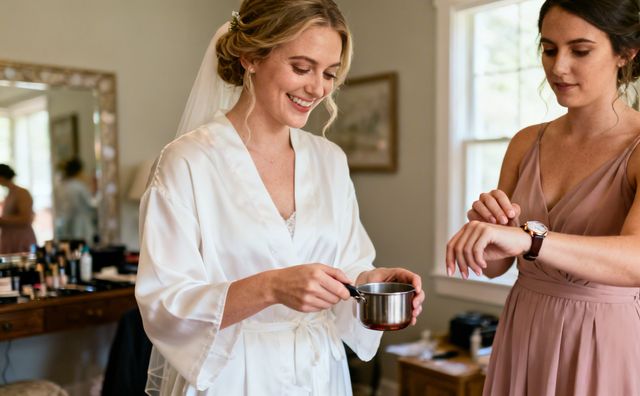
Before the big day, I strongly recommend rehearsing your unity ritual with
anyone involved, like parents, kids, or your officiant, so everyone knows where
to stand, what to hold, and when to move, which keeps the moment calm and
reduces nervous mistakes when you are already full of emotion and standing in
front of all your guests.
During planning, try to keep the unity moment short and meaningful, usually
between two and five minutes, so it fits smoothly into your ceremony without
breaking the focus, and remember that a clear symbol with a few well chosen
words will often touch people more deeply than a long series of actions that are
hard to follow.
To keep your ritual flowing well, work with your officiant or musician to set
one subtle cue, like a gentle music swell or a certain line the officiant says,
that signals when to start and finish the unity act, because these quiet guides
help everyone move together and let your photographer capture the moment without
awkward pauses or confusion.