
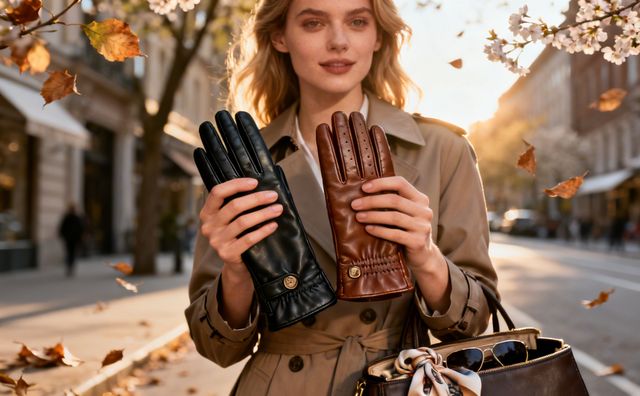
Leather Gloves: Classic Elegance for All Seasons
From Driving to Dress, Find Your Perfect Pair
Why Leather Gloves Never Go Out of Style
I grew up watching old black‑and‑white movies with my mom, and I was always
drawn to the way a simple pair of gloves could finish an outfit, whether it was
a heroine stepping out of a taxi or a gentleman opening a door. Those scenes
stayed in my mind, because the gloves did more than keep hands warm; they made
every move look intentional and graceful. When I tried on my first pair of real
leather gloves as a teenager, I finally understood that feeling for myself, and
it never really left me. Even now, when I get dressed for church, a date night,
or a winter walk, I still see gloves as that final touch that makes me feel put
together without trying too hard. That sense of timeless elegance is what keeps
leather gloves relevant, no matter what trends come and go.
Leather is one of those rare materials that handles both function and fashion at
the same time, which is why I reach for leather gloves instead of chunky knit
ones when I want to feel more polished. The natural structure of leather blocks
wind and holds warmth close to your skin, so your hands actually stay
comfortable instead of just covered. At the same time, the smooth surface and
rich color give a clean, tailored look that works with everything from a wool
coat to a simple sweater. When I slide my hands into a good pair of leather
gloves, I feel ready to face a chilly morning commute or a crowded evening out
without sacrificing warmth or style. That mix of practical comfort and sleek
appearance makes leather gloves a quiet upgrade over basic fabric options.
When I worked as a fashion buyer and designer, I started to see leather not just
as a pretty material but as a true anchor for a wardrobe, the way a good pair of
jeans or a classic blazer can hold everything together. Leather gloves play that
same role, because they sit between your clothes and the outside world and still
manage to look refined. I love how one well‑chosen pair can work with denim on a
casual day, then slip right into a dressy look with a skirt and heels at night.
The right shape and color can travel from a work meeting to a dinner date
without feeling out of place. To me, that is what makes leather such a smart
investment: it’s strong enough to handle everyday life but elegant enough to
complement your best outfits too.
I’ve seen over and over that leather gloves send a quiet message that you pay
attention to the small things, and those details often shape the way people read
your whole outfit. When you add gloves to a simple coat and boots, the look
suddenly feels intentional instead of rushed, the way a neat belt or a polished
bag can pull everything together. Even on days when I am just wearing jeans and
a sweater, leather gloves make me feel like I tried a bit harder, even if I got
dressed in five minutes. That little lift in confidence is real, and it shows in
the way you carry yourself and use your hands. In a world where so many pieces
are disposable, a pair of well‑made leather gloves stands out as a sign that you
value quality and care about how you present yourself.
A Short History: From Utility to Fashion

Gloves began as simple protection for working people and travelers, long before
they ever touched a red carpet, and that practical start still matters today.
Riders used leather gloves to keep a firm grip on reins, workers wore them to
guard against rope burns and rough tools, and people in cold climates needed
them just to keep fingers from going numb in the wind. Even the earliest gloves
were shaped by need first: extra thickness for harsh weather, shorter styles for
tasks that required more finger movement. When I think about modern styles, I
always remember that this basic purpose came first, and it helps me understand
why some designs still look the way they do. Our sleek gloves today are built on
generations of people simply trying to stay safe and warm.
By the 19th and early 20th centuries, especially in Europe and North America,
leather gloves moved from pure protection into the world of social rules and
elegance, and they became a marker of good manners and status. Ladies and
gentlemen wore gloves to church, to dances, and to the theater, and it was
considered rude to offer a bare hand in some settings. Long evening gloves
matched silk gowns, while shorter gloves were chosen for daytime visits or
shopping trips. Even the way you removed your gloves was watched and judged.
When I study old fashion photos for design ideas, I always notice how gloves
finished the outfits and signaled that someone belonged in polite society. That
history still clings to leather gloves today, which is why they feel naturally
dressy even in modern life.
When I explain leather gloves to customers or friends, I often compare their
story to the way belts changed over time, starting as tools to hold trousers up
and ending as fashion pieces with beautiful buckles. Gloves followed the same
path, moving from something you wore out of necessity to something that adds
character and style. A driver in the early days of cars needed gloves for grip
and warmth on a cold steering wheel, but soon those same gloves became a sign of
a certain lifestyle. Today, many of us do not “need” gloves every day, but we
still use them to express taste and personality. Thinking of gloves as both tool
and accessory helps you see why some designs keep strong functional features,
like knuckle cutouts on driving gloves, while still looking chic.
The history of gloves directly shapes how we use different styles now, which is
why you see such clear categories like driving gloves, dress gloves, and casual
everyday pairs. Driving gloves still focus on grip and movement, so they often
have perforations and open backs, echoing the needs of early motorists. Dress
gloves are long, smooth, and clean, designed to look graceful with formal coats
and evening wear, just like they did in old high‑society gatherings. Casual
gloves often blend features, offering more warmth and durable seams for daily
errands or walks with the dog. When you understand these roots, it becomes
easier to pick the right pair for your day instead of grabbing any random style
that may not suit your real needs.
Knowing the past gives you power when you shop, because it helps you choose
glove styles that feel classic instead of chasing quick trends that fade after
one season. When I see exaggerated shapes or strange cutouts that do not relate
to any real function or tradition, I know they might look dated fast. In
contrast, designs that echo older patterns, like clean lines, neat stitching,
and simple vents at the wrist, tend to stay in style for years. If you like to
build a wardrobe that lasts, it helps to ask yourself why a glove looks the way
it does and whether that design has been around for a while. Styles with a story
usually age better, and that makes your purchase more worthwhile in the long
run.
The Materials: Full-Grain, Lambskin, and Alternatives
When I shop or design leather gloves, I always start by checking the leather
type, because it decides how the gloves will age, stretch, and feel on your
hands. Full‑grain leather is my first choice when I want something that can
handle years of wear, since it uses the full thickness of the hide with the
natural grain left intact. It may feel a little firmer at first, but it softens
beautifully with time and develops a rich patina that tells the story of how you
use your gloves. Small marks and bends turn into character instead of damage. If
you want gloves that will last across many seasons instead of just one winter,
full‑grain is usually worth the investment.
Lambskin is the leather I reach for when I want gloves that feel soft, almost
buttery, from the very first wear, which makes it ideal for dressy and delicate
styles. Because it comes from younger animals, the fibers are finer and more
flexible, so lambskin molds to the shape of your hands in a very gentle way.
This gives a close, elegant fit that works perfectly for evening events, church
outfits, or special occasions where you want your gloves to look sleek and
refined. The trade‑off is that lambskin can be more delicate and may not handle
rough daily use as well as sturdier leathers. I treat my lambskin gloves with
extra care, keeping them for times when I want that luxurious feeling and
polished look.
Beyond the animal source, the tanning method also changes how your gloves behave
in different weather, which is why I pay attention to words like “chrome‑tanned”
and “vegetable‑tanned” on labels. Chrome‑tanned leather uses mineral salts and
is very common; it tends to be softer, more flexible, and more resistant to
water from the start, which makes it practical for everyday gloves.
Vegetable‑tanned leather uses plant‑based tannins from bark and leaves, and it
often feels a bit stiffer at first but gains depth and character with sunlight
and use. Veg‑tanned leather can darken over time and is usually more sensitive
to water, so I am careful with it in heavy rain. Both types can be excellent; it
just depends on whether you want instant softness or a slower, more natural
aging process.
If you prefer not to wear animal products at all, there are better cruelty‑free
options now than there were even a few years ago, and some high‑quality
synthetic leathers are specially designed for accessories like gloves. When I
look at these, I focus on texture, flexibility, and breathability, because
low‑end synthetics can feel stiff, trap sweat, and crack quickly in the cold.
Higher‑end faux leathers often blend different fibers and coatings to mimic the
softness and bend of real leather while keeping a smooth finish. They may not
age the same way as natural leather, but they can still look sleek and serve you
well across multiple seasons. If you choose synthetic gloves, it helps to read
reviews, touch the material if you can, and avoid very cheap options that tend
to peel and wear out fast.
How to Choose the Right Pair for You

Getting the right size matters more than the color or style at first, because
even the prettiest gloves will sit in a drawer if they pinch or slip off, so I
always start with a measuring tape. Measure around your hand at the widest part
of the knuckles, not including the thumb, and then measure from the base of your
palm to the tip of your middle finger. These two numbers help you compare to
size charts, which can vary by brand and country. A glove should feel snug but
not tight, with enough room to flex your fingers without strain. If the leather
is high quality, it will relax slightly with wear, so a close fit at the start
often turns into that “second skin” feeling after a few uses.
Before I ever buy or recommend a pair, I think carefully about what the main
purpose will be, because one glove cannot do every job well. Driving gloves need
good grip and freedom of movement, so they can be thinner and more flexible.
Dress gloves focus on line and polish, so they can be slim and elegant, and they
may not need heavy insulation. Warmth‑focused gloves need thicker linings and
sometimes longer wrists to keep out cold air. In my own closet, I keep separate
pairs for driving, church and special events, and deep‑winter errands, and that
makes each pair perform better and last longer. When you are clear about your
main use, you waste less money on “pretty” gloves that do not serve your real
needs.
The lining inside a glove affects not just warmth, but also how your skin feels
and how easily you can move your fingers, so I treat it as a major choice, not
an afterthought. Silk linings are thin and smooth, perfect for mild weather or
for people who dislike bulky layers, and they let your rings slide under the
glove without catching. Cashmere linings bring a soft, cozy feeling that works
beautifully for chilly days, adding warmth without too much thickness, which
makes them great for city wear and church mornings. Fleece linings, often made
from synthetic fibers, trap more heat and stand up well to heavier cold or
outdoor work, though they can feel bulkier. If your climate shifts a lot, owning
gloves with different linings lets you move comfortably from fall to the coldest
part of winter and into early spring.
Small design details tell me a lot about quality and comfort, so when I pick up
a glove I look closely at the stitching, the closure, and the wrist depth.
Tight, even stitches mean the seams are less likely to pop, especially between
the fingers where stress is highest. Button or snap closures at the wrist can
help secure the glove and keep out drafts, but they should close smoothly
without straining the leather. I also check how far the glove comes up the
wrist, because a slightly longer cut tucks better under or over coat sleeves and
blocks wind more effectively. These little touches may seem minor, but they
affect how your gloves feel after hours of wear and how long they hold their
shape.
Styling Tips: Day, Night, and Driving
For daytime looks, especially when I am running errands or meeting a friend for
coffee, I like to pair leather gloves with a casual coat and a roomy tote bag so
I can stay practical and still look pulled together. A mid‑length wool or cotton
coat with simple lines works beautifully with classic gloves in black or brown,
and the large tote keeps the look relaxed rather than stiff. I often tuck my
gloves into the tote straps when I am indoors, which shows off a bit of leather
and makes the whole outfit feel more intentional. This simple mix lets me carry
groceries, a planner, and whatever else I need while still feeling chic and
coordinated, not weighed down.
For evening or more dressy outings, I reach for slimmer, unlined leather gloves
or styles with very subtle embellishments, because they add elegance without
competing with my outfit. A narrow glove hugs the hand and wrist, highlighting
the line of a tailored coat or a fitted blazer, and it looks especially nice
with dresses or skirts. I avoid heavy hardware or loud logos at night and choose
small details like a tiny bow, a gentle piping, or fine top‑stitching that
catches just a bit of light. When I’m going out for dinner with my boyfriend or
attending a special event, these refined gloves become part of the overall look
instead of an afterthought I only wear for warmth.
Driving gloves are a world of their own, and they work best when they fit quite
snugly and offer real grip, especially on smooth steering wheels or long drives.
I like half‑finger or perforated styles for warmer days and full‑finger versions
with palm pads for cooler weather, because both let my hands move easily while
still looking sharp. Paired with a tailored blazer, good denim, and clean shoes,
driving gloves turn a simple outfit into something that feels a bit more classic
and intentional. They also keep my hands from slipping when I park or make tight
turns, which is a practical bonus. When you treat driving gloves as part of your
outfit instead of just gear, you get the best of both worlds.
One of my favorite tricks for making outfits feel richer is mixing textures,
using leather gloves alongside softer or shinier fabrics like knits and silk. A
smooth leather glove looks beautiful next to a chunky knit scarf, because the
contrast makes each piece stand out more. The same is true when you wear gloves
with a silk blouse that peeks out from your coat sleeves; the sheen of the silk
and the matte finish of the leather play off each other. This simple mix keeps
even neutral outfits from feeling flat. By paying attention to texture, not just
color, you can build looks that feel layered and thoughtful without owning a
huge number of clothes.
Seasonal Transition: Wearing Leather from Fall to Spring

I like to think of leather gloves as a bridge between seasons, because the right
pair lets you start wearing them in late fall before the real cold hits and then
keep them on rotation into early spring. As temperatures begin to drop, I
usually start with lined gloves that offer moderate warmth without heavy bulk,
which keeps my fingers comfortable on cool mornings and evenings. These
mid‑weight pairs work well with lighter jackets and trench coats, helping my
wardrobe shift gently from breezy autumn days to sharper, cooler air. You do not
need to jump straight from bare hands to heavy winter gear; a good lined glove
fills that gap smoothly.
When winter settles in and the wind feels harsher, I switch to insulated or
cashmere‑lined leather gloves that truly protect against the cold while still
looking refined. I look for pairs with a bit more thickness and a snug wrist to
seal out drafts, especially when I am walking outside for longer stretches or
standing at a bus stop. Cashmere linings feel luxuriously soft and trap warmth
well without making my hands feel clumsy, which matters when I need to hold bags
or handle my phone briefly. In very cold climates, a layer of insulation under
the leather can make all the difference between numb fingers and steady comfort.
This is the time of year when quality really shows, because cheap gloves often
fail to hold warmth or crack in the cold.
Once the air softens again and spring starts to show up in the mornings, I move
back to unlined or very thin‑lined gloves for just a light layer of protection
and style. Early spring can still bite, especially in the shade or with a
breeze, but heavy winter gloves feel out of place and can make your hands
sweaty. Slim leather gloves shield your skin from cool air while allowing more
airflow, keeping your hands comfortable as you walk, drive, or run errands. They
also match better with lighter coats, denim jackets, or even cardigans, helping
your overall look feel fresh and in step with the season instead of stuck in
winter.
I also adjust my glove colors as the seasons roll by, because shades carry mood
and can either deepen or brighten an outfit. In fall and winter, I tend to
choose deep browns, blacks, and dark burgundies, which pair naturally with wool
coats and heavier fabrics and echo the muted tones of the colder months. As
spring arrives, I shift toward lighter tans, soft grays, and gentle pastels like
dusty rose or pale blue, which lift my wardrobe visually and feel more hopeful
and light. This simple color change keeps the same basic outfits from feeling
repetitive. Even if you own just a few pairs of gloves, rotating dark and light
options through the year can refresh your look.
Thin driving gloves are one of my go‑to choices for cool spring days when I want
my hands covered on the wheel but do not want to overheat before I reach my
destination. Their lighter construction lets my skin breathe while the leather
still gives structure and grip, especially useful on early morning drives when
the air is crisp. I like styles with small perforations for extra ventilation
and soft, flexible leather that bends easily. They look stylish with a trench
coat or a light blazer, and they keep my fingers from feeling cold on metal or
leather steering wheels that have not warmed up yet. This makes spring drives
more pleasant, especially on longer trips.
Layering around your wrists can make a big difference in both comfort and style,
so I try to think about how gloves interact with other accessories like scarves
and watches. A slim wrist scarf tucked just inside the cuff of your coat and
glove adds an extra barrier against drafts and a touch of color or pattern that
peeks out when you move. Wearing a watch under your glove means making sure the
glove is not too tight, or you can let the glove stop just before the watch and
create a small visual break that looks intentional. These little layering
choices help your outfit feel polished and considered while also keeping that
sensitive wrist area protected from changing temperatures.
Care and Maintenance: Keep Them Looking New
To keep leather gloves looking their best, I handle small marks quickly with a
damp cloth and a gentle leather cleaner instead of harsh soaps that can strip
the surface. I start by wiping off any dust, then lightly dabbing the stain with
a soft cloth, working from the outside of the mark inward so it does not spread.
If the spot is oily, I give the cleaner a moment to lift it before wiping again.
I always test any product on a hidden area first to make sure it does not change
the color. Taking a few minutes after a muddy walk or a small spill can prevent
long‑term damage and keep the leather smooth and even.
Leather can dry out and crack over time, especially in cold weather or dry
indoor heat, so I make a point to condition my gloves a few times each season. I
use a small amount of leather conditioner on a clean cloth and rub it in with
gentle, circular motions, focusing on areas that bend a lot like the knuckles
and between the fingers. Afterward, I let the gloves rest so the leather can
absorb the product before I wear them again. This simple habit keeps the leather
supple, helps prevent peeling or flaking, and can even deepen the color
slightly, giving your gloves a richer look. It’s a small investment of time that
pays off in years of extra wear.
How you store your gloves when you are not wearing them matters more than many
people think, so I try to lay mine flat or keep them on a soft form instead of
stuffing them into tight spaces. Folding them sharply or crushing them under
heavy items can cause creases that are hard to remove and may weaken the leather
along those fold lines. I like to keep my gloves in a drawer or box with a
little air flow, away from direct sunlight that can fade color. If you have the
space, glove forms or simply slipping tissue paper inside can help them hold
their shape. Treating gloves gently off your hands helps them look elegant when
you put them back on.
If my gloves get wet from rain or snow, I resist the urge to speed things up
with a radiator or hair dryer and let them air‑dry at room temperature instead.
First, I gently press out extra water with a clean towel, taking care not to
twist or wring the leather, then I lay them flat or prop them up in a natural
shape. Direct heat can cause leather to stiffen and crack, and it may shrink
unevenly, ruining the fit. As they dry slowly, I flex the fingers a bit to keep
them from turning rigid. Once they are fully dry, I often apply a light
conditioner to restore softness, because water can strip natural oils from the
leather.
When something goes really wrong, like a deep tear, heavy staining, or severe
cracking, I usually turn to a trusted leather repair shop instead of trying to
fix it myself at home. Professionals have the right tools, dyes, and fillers to
repair damage in a way that blends with the original leather, which is
especially important for fine gloves made from lambskin or special finishes. A
poor DIY job can make damage stand out more and sometimes makes proper repair
harder later. If the gloves were an investment or hold sentimental value,
spending a bit on expert care can bring them back to life and save you from
having to replace them completely.
Ethics and Sourcing: Treading Carefully

I care a lot about where leather comes from and how it is treated, so I try to
support brands that are open about their sourcing and tanning processes instead
of hiding behind vague labels. When a company shares details about where the
hides are from, how the animals were raised, and which tanneries they use, it
shows a level of responsibility that matters to me. I like to read brand stories
and product pages that mention traceability or third‑party audits. As a
Christian, I believe stewardship and honesty are important, and I want my
purchases to reflect that as much as possible, even with something as small as a
pair of gloves.
Vegetable‑tanned leather often stands out in conversations about transparency,
because its process relies on plant‑based tannins and usually involves slower,
more traditional methods than heavily treated chrome leathers. Tanneries that
specialize in veg tanning tend to talk openly about their craft, the plants they
use, and the way they manage waste water, which lets customers understand more
of what they are buying. Veg‑tanned gloves can age beautifully and feel more
natural to the touch, though they may react more to sunlight and water. I like
this option when I want a piece that will develop character and when I can find
a maker who explains their methods clearly.
Over the years, I’ve grown more drawn to small workshops and ethical labels that
show real people making their products and talk openly about fair wages and safe
working conditions. These makers often produce in smaller batches, pay more
attention to detail, and choose tanneries that work to reduce harmful impacts on
workers and the environment. When I visit a small shop and see careful stitching
and hear how the workers are trained and treated, I feel better about spending
my money there. Even online, many of these brands share photos and stories from
their workshops, which helps me feel connected to the people behind my gloves.
At the same time, I know there are trade‑offs in every production method, and
even some processes labeled “eco‑friendly” can still involve chemicals or high
water use, so I try not to accept claims blindly. I read labels and product
pages carefully, looking for real information rather than just buzzwords. If
something is unclear, I do not feel shy about sending an email or asking a
question in a store about how and where the leather was made. Responsible brands
may not be perfect, but they are usually willing to explain their choices.
Having a curious, thoughtful attitude helps me make more honest decisions
instead of just chasing the latest “green” marketing trend.
One thing I remind myself often is that a well‑made glove that lasts for many
years is usually more ethical than a cheap pair that falls apart quickly and has
to be replaced again and again. Long‑lasting items reduce waste, lower the
demand for constant new production, and often come from makers who value quality
in the first place. When you invest in a pair of leather gloves that you can
wear across multiple seasons and even repair if needed, you are stepping away
from a disposable mindset. That lines up better with caring for creation and
being wise with resources. So when I weigh ethics, I look not just at how
something is made, but also at how long it will serve its purpose.
Customization and Fit: Made for Your Hands
When gloves fit just right, they really can feel like a second skin, especially
if you have hands that are narrower or wider than average, which is why I
sometimes recommend tailored or semi‑custom gloves. Standard sizes often leave
slim hands swimming in extra leather or larger hands feeling squeezed, and both
problems ruin comfort and control. Custom fitting shapes the glove more closely
to your fingers and palm, reducing wrinkles and improving warmth since there is
less empty space inside. For people who drive a lot, play instruments, or simply
want that perfect polished look, a tailored fit can transform the whole
experience of wearing gloves.
Custom glove options can go far beyond just size, and I enjoy how personal the
process can be when you start choosing linings, colors, button styles, and wrist
lengths. You might pick silk lining for evening wear, cashmere for daily winter
use, or no lining at all for close contact and flexibility. Color choices can
range from traditional black and brown to rich jewel tones or soft pastels,
depending on your wardrobe and tastes. You can decide whether you want a short
wrist that ends at the joint or a longer one that tucks neatly under coat
sleeves. Even the type of closure, from a small button to a discreet snap, lets
you express your preferences in a subtle way.
One practical step many people skip is measuring both hands, even though sizes
often differ slightly, so I always suggest checking them separately and using
the larger one as your guide. If you wear a watch, bracelet, or fitness band
daily, it’s smart to try gloves on with those accessories, or at least note
where they sit on your wrist, to avoid a fit that feels tight or bunches
awkwardly. I also pay attention to finger length, because some brands run long
and leave extra leather at the tips, which makes simple tasks harder. Taking
these details into account before you place an order can save you the
disappointment of receiving a beautiful glove that just does not work with your
real life.
Adding small custom touches is one of my favorite parts of the process, because
they make gloves feel truly yours without turning them into something loud or
trendy. Contrast stitching in a subtle color can highlight the shape of the
fingers and seams, while still looking classic. A tiny monogram near the wrist
or inside the cuff makes the gloves feel special and also helps if they get
mixed up at a gathering. You might choose a unique but tasteful button shape or
a slightly curved vent at the side of the wrist for ease and beauty. These
little flourishes give personality to your gloves while keeping them timeless.
If you decide to order custom gloves, it’s wise to allow extra time for making
and shipping, especially around holidays, and to confirm the return or
adjustment policy before you pay. Some custom makers will tweak the fit if the
first version is slightly off, while others treat all custom orders as final, so
reading the fine print matters. I like to keep email records of my measurements
and choices in case we need to refer back to them. Planning ahead prevents
stress and gives the makers room to do their best work, so you end up with
gloves that truly match your expectations in both fit and style.
Where I Shop and What I Recommend

From my time as a fashion buyer, I learned that small ateliers and specialty
stores often deliver better glove quality than big chains, because they focus on
one category and know it deeply. These shops tend to work with trusted tanneries
and skilled sewers, and they pay closer attention to fit, lining, and finish.
When I visit a specialty store, I can usually feel the difference right away in
the softness of the leather and the neatness of the stitching. The staff often
understands sizing and care much better too, which helps you make a smarter
choice instead of just guessing. Supporting these kinds of makers also keeps
traditional skills alive.
When building a glove wardrobe, I usually recommend investing in three main
pairs: one elegant dress glove, one solid driving glove, and one warm pair for
very cold days, because this covers almost every situation. A dress glove in a
fine leather with a slim fit handles church, events, and evenings out. A driving
glove gives grip and comfort on the road without bulk, so you can keep it in the
car or your bag. A truly warm glove with a good lining protects your hands when
the temperature drops hard. With these three, you avoid scrambling every time
the weather changes or you get a special invitation.
When you start shopping, I suggest focusing first on classic colors like black,
deep brown, and tan, because they match easily with most coats, shoes, and bags
you may already own. Black tends to look the most formal and sharp, brown feels
slightly softer and very versatile, and tan can brighten darker outfits while
still staying neutral. Once you have those basics covered, you can decide if you
want to add a fun color like red, forest green, or navy for days when you want
more personality. This order of buying helps you get maximum use out of each
pair instead of ending up with a bright color that only works with one coat.
To stretch your budget without sacrificing quality, I keep an eye on seasonal
sales at brands I trust instead of reaching for very cheap fast‑fashion gloves
that often fall apart quickly. Many good labels discount their winter
accessories at the end of the cold season or during holiday promotions, and that
is when I like to buy classic styles that will still look right next year. I
avoid impulse buying trendy shapes or colors just because they are marked down,
and focus on pieces that match the rest of my wardrobe. Taking this slower, more
thoughtful approach usually gives me better value and fewer regrets than trying
to chase the lowest price at any cost.