

Intentional Spaces: Living with Purpose
Designing Rooms for Real Life
Understanding Your Family's Real Needs
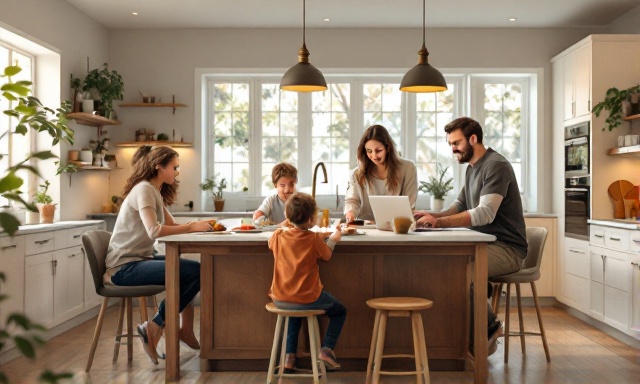
I used to obsess over picture-perfect rooms on social media, but I've learned
that real homes need to work for real life, not just look good in photos. My
journey to creating intentional spaces began when I realized that trying to
maintain a showroom-worthy house was making my family uncomfortable and creating
unnecessary stress for all of us.
When I started paying attention to how my family actually used our home, it was
eye-opening. My kids did homework at the kitchen counter instead of their desks,
my husband preferred reading in the guest room because of the natural light, and
our formal dining room sat empty except during holidays. Understanding these
natural patterns became the foundation for reimagining our spaces.
The turning point came when I honestly assessed each room in our home. I had to
admit that some of my design choices were more about impressing others than
serving my family's needs. This meant acknowledging that my toddler would
definitely draw on walls occasionally, and that my husband needed a dedicated
space for his hobby equipment instead of hiding it away.
Now I focus on creating adaptable spaces that can evolve as my children grow.
Our playroom has modular furniture that can be reconfigured, storage solutions
that can transition from toys to school supplies, and walls with removable
decals that can be updated to match changing interests. This approach saves
money and reduces stress in the long run.
Creating Zones That Work
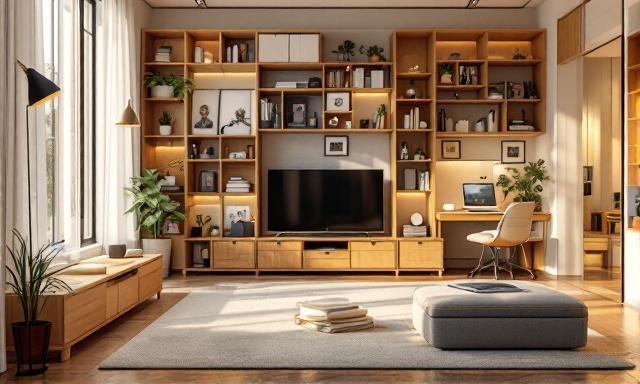
I've found that clearly defined areas within rooms make a huge difference in how
we use our space. In our family room, we created distinct zones for watching TV,
playing board games, and reading, each with appropriate lighting and seating.
This simple organization helps everyone know where to go for specific activities
and makes the room more functional for everyone.
The way we arrange furniture has transformed how smoothly our daily routines
flow. By studying our family's movement patterns, I positioned our furniture to
create natural pathways between frequently used areas. For example, placing our
shoe storage bench near the garage entrance, with hooks above for backpacks, has
eliminated morning chaos during school rushes.
Strategic storage placement has been a game-changer in our home. Instead of
following conventional rules, I put storage solutions exactly where items tend
to accumulate. This meant adding closed cabinets in our entryway for sports
equipment, installing a charging station in the kitchen for devices, and
creating a gift-wrapping station in the guest room closet where I actually do my
wrapping.
Our spaces need to multitask just like we do, but that doesn't mean they have to
feel disorganized. I've learned to create flexible spaces that transition easily
between different functions. Our dining table doubles as a crafting surface,
with supplies stored in a nearby credenza, and our guest room serves as my
husband's home office, with a murphy bed that folds away during the day.
The Heart of Home Organization
The key to maintaining organized spaces is creating systems that everyone in the
family can easily follow. I've stopped implementing complicated organization
methods that only I understand. Instead, we use simple, intuitive systems like
color-coding storage bins and keeping frequently used items at eye level for the
person who uses them most.
Our storage solutions now make sense for how we naturally operate. Each family
member has their own designated drop zone near the entry, kitchen items are
stored near where they're used, and children's toys are organized in
picture-labeled bins that make cleanup straightforward and independent. This
intuitive approach means less nagging and more cooperation.
When it comes to decluttering, I've learned to focus on progress rather than
perfection. We regularly evaluate our belongings based on what we actually use
and love, not what we think we should keep. This realistic approach helps
maintain order without causing stress or guilt about not achieving
magazine-worthy minimalism.
Personal Touches with Purpose
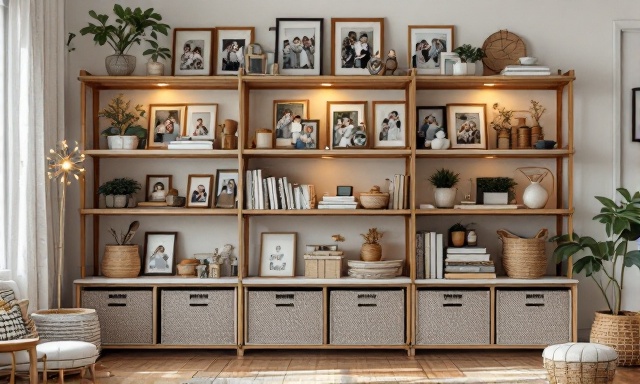
I've discovered ways to showcase our family's special items without creating
visual chaos. Rather than displaying everything, we rotate meaningful pieces
seasonally and group similar items together for impact. A gallery wall of black
and white family photos adds personality while maintaining a cohesive look, and
shadow boxes protect and organize small treasures.
Incorporating family memories doesn't mean sacrificing style. We've found
creative ways to display children's artwork, like using simple matching frames
to create an evolving gallery, and turning favorite family photos into custom
throw pillows. These personal touches make our home feel authentic while still
looking pulled together.
Finding the sweet spot between beauty and functionality has become second
nature. We choose furniture and decor that not only looks good but can stand up
to real life. Washable slipcovers, durable fabrics, and attractive storage
solutions help maintain a stylish appearance while accommodating daily use.
Maintaining Your Intentional Space
Our family follows simple daily routines that keep our spaces working well
without feeling overwhelming. Quick morning and evening reset sessions, where
everyone pitches in for 10 minutes, help maintain order. These small, consistent
efforts prevent mess from accumulating and make deeper cleaning sessions much
more manageable.
As our needs change throughout the year, we adjust our spaces accordingly.
Seasonal updates might include rotating clothes in closets, switching out entry
storage for different sports equipment, or rearranging furniture to accommodate
holiday gatherings. These regular tweaks help our home continue serving us well
as our activities change.
Teaching our children to respect and maintain their spaces has been a gradual
but rewarding process. We involve them in organizing decisions, demonstrate
proper care of belongings, and make cleanup feel natural rather than punitive.
This investment in their habits now will serve them well throughout their lives.