

Restorative Bedrooms: Creating a Tranquil Escape for Better Sleep
Transform your bedroom into a peaceful retreat that nurtures rest and wellbeing.
Why Restorative Bedrooms Matter: Background and Real-Life Impact

When I talk about a restorative bedroom, I mean a space that truly helps my body
and mind rest, instead of just a place where I drop into bed at the end of the
day. A restorative bedroom is designed to support deep sleep, calm thoughts, and
daily recharge so that I can wake up feeling refreshed, not drained. Everything
in the room has a purpose, from the colors on the walls to the feel of the
sheets and the way I store my things. It is not about making a picture-perfect
room for social media, but about creating a quiet refuge where my nervous system
can slow down and my breathing can soften. When my bedroom is restorative, it
feels like a safe cocoon that protects my sleep and gives me strength for the
next day.
Sleep is not a luxury for women, it is a basic need that shapes how I show up in
every part of my life. When I sleep well, my mood is more stable, I feel less
irritable, and I can handle stress with more grace. Good sleep helps my hormones
stay more balanced, which affects everything from my cycle to my cravings and my
weight. Clear thinking also depends on deep rest, so I find it easier to focus,
remember things, and make wise choices when I have slept enough. Sleep also
supports a strong immune system, so my body can fight off sickness instead of
catching every little bug that passes through the house. When I protect my
sleep, I am really protecting my whole health as a woman.
The way I sleep does not just affect me on the inside, it also changes how I
relate to people and how I move through my day. When I am rested, I feel less
stressed and I am less likely to snap at someone I love over small things. I
have more patience for my family, friends, and coworkers, and I can listen
better and respond with kindness. Better sleep also means I have more steady
energy for cooking, cleaning, hosting guests, and caring for my home life
without feeling completely worn out. I notice that I enjoy small daily moments
more when I am not dragging my feet through the day. In this way, a restorative
bedroom supports healthier relationships and a more peaceful home atmosphere.
Deep rest is not just a “nice to have” because it has very practical benefits in
daily life. When I sleep well, I am more productive and can finish tasks faster
and with fewer mistakes, which saves me time and stress. I also tend to have
fewer sick days, which means I do not lose as much income or fall behind on
important responsibilities. When I am not exhausted, I am less tempted to buy
random fixes like more coffee, energy drinks, or impulse purchases that promise
comfort but do not really solve the tiredness. A well-designed bedroom also
protects my things, because I am more careful and organized, so I do not have to
keep replacing worn-out or lost items. In the long run, creating a restorative
bedroom actually helps me save money and live more wisely.
I also pay attention to how my bedroom affects my health over time, not just how
it looks in the moment. Many modern design and environmental trends point back
to old wisdom about living with fewer toxins and more natural materials. When I
choose low-tox furniture, natural wood, and simple cotton or linen fabrics, I
lower my exposure to harsh chemicals that can affect breathing, skin, and even
hormones. I avoid strong chemical smells from paints, finishes, and synthetic
fabrics, and I try to pick items that are better for the planet as well as my
body. This simpler, more natural style often looks calm and timeless, which fits
perfectly with the idea of a restorative space. My bedroom becomes a place where
my health is quietly supported night after night.
Because of all this, I believe the bedroom should be a sanctuary, not a busy
multi-use zone that tries to do everything at once. When my room is full of
clutter, work papers, laundry piles, and glowing screens, my mind struggles to
settle down, even if the lights are off. The brain starts to link the bed with
stress, work, and scrolling, instead of rest and peace. I try to keep my bedroom
mostly for sleeping, dressing, and private quiet time like reading or prayer, so
my body learns that this is where I can truly relax. By removing extra noise,
gadgets, and distractions, I let the room itself tell my mind that it is safe to
unwind. That sense of sanctuary is what turns a normal bedroom into a
restorative retreat.
Choosing a Calming Color Palette
When I choose colors for a restorative bedroom, I reach for soft neutrals and
muted tones that calm my eyes the moment I walk in. Warm creams, gentle beiges,
and light taupes create a soothing base that does not shout for attention. I
love adding hints of nature with shades like sage green, dusty rose, or slate
blue, because they remind me of the outdoors and bring a quiet beauty to the
room. These colors work well together and feel grown-up without being cold or
harsh. I keep the palette simple so the room feels like a peaceful cloud instead
of a busy painting, which helps my mind slow down at night.
I also think about how cool and warm colors make my body and mind feel, because
they can shape my sleep. Cool tones like soft blues, greens, and grays tend to
calm my mind and lower the feeling of heat and stress after a long day, so they
work well on walls or larger pieces. Warm tones like gentle tan, blush, or muted
terracotta add a sense of coziness and comfort, which I like in smaller accents
like a throw or lampshade. I try to keep the overall feeling more on the cool
and calm side, then sprinkle in warm touches so the room does not feel too flat.
This balance helps my bedroom feel restful but still welcoming and alive.
Before I commit to a color or fabric, I always test samples in real light,
because paint and textiles can look very different at night than they do in the
store. I tape paint swatches on the wall and leave them up for a few days so I
can see them in morning light, afternoon sun, and evening lamp light. I also
place fabric samples on the bed and near the window to check how they blend with
my existing furniture and floor. This simple step saves me from costly mistakes
and keeps me from ending up with a color that looks dull, too bright, or even a
bit sickly in my actual room. When I take time to test, I feel more peaceful
about my choices and more likely to love my bedroom for years.
I am careful with bright, strong colors because they can easily overstimulate my
eyes and my mind, especially right before bed. Instead of painting the walls in
bold reds, neons, or very dark tones, I keep those louder shades in very small
accents like a pillow, a piece of art, or a single decorative bowl. This way, I
still enjoy a bit of personality and fun without losing the overall calming
feeling of the room. If I ever feel like a color is beginning to annoy or
distract me, it is much easier and cheaper to swap out a pillow cover than to
repaint a whole wall. By limiting stimulating colors to tiny touches, I protect
the peaceful mood of the room while still letting some style shine through.
Bed as the Centerpiece: Bedding, Pillows, and Mattress Choices

For me, the mattress is the foundation of a restorative bedroom, so I choose it
with care before I worry about any other decor. Most women, including me, do
well with a medium-firm mattress because it gives enough support for the spine
while still feeling cushioned and comfortable. A mattress that is too soft can
let my back sink in and cause pain, while one that is too hard can create
pressure points in my hips and shoulders. I pay attention to how my body feels
when I wake up, not just how the mattress feels in the first five minutes of
lying on it. When the mattress is right, I move less at night and wake up with
less stiffness and more energy.
Once I have a good mattress, I focus on bedding materials that let my skin
breathe and feel cared for. I like natural fibers like cotton and linen because
they are gentle on my skin, wick away moisture, and keep me from overheating or
feeling sticky at night. Linen has a beautiful texture and gets softer with each
wash, while cotton is smooth and widely available at many price points. I avoid
heavy synthetic fabrics that trap heat and can make me sweat, because that often
leads to restless sleep and more waking up. Natural bedding also tends to look
simple and timeless, which supports the calm feeling I want in my bedroom.
To make the bed feel inviting and practical, I layer my bedding instead of
relying on one thick blanket. I usually start with a fitted sheet to keep the
mattress clean, then add a light top sheet if I like that extra layer. On top of
that, I use a duvet or comforter with a washable cover, then fold a lightweight
blanket or quilt at the foot of the bed for extra warmth when I need it. I often
add a soft throw across the end of the bed, which makes the room look finished
and gives me something to grab if I want to nap or read without unmaking the
whole bed. These layers let me adjust quickly to temperature changes across
seasons and even in the same night.
Pillows can easily get out of control, so I try to keep them simple and
supportive instead of turning the bed into a mountain. I choose one or two good
pillows that support my neck and keep my head in line with my spine, whether I
sleep on my back, side, or stomach. I pay attention to the fill and height so I
do not wake up with a sore neck or headaches. For style, I add just one or two
decorative pillows or a single long lumbar pillow to give the bed a finished
look without adding a long chore at night. This way, making the bed stays quick
and I keep the focus on comfort instead of clutter.
To keep my sleep quality high over the years, I do not treat bedding and the
mattress as permanent items. I wash sheets and pillowcases often and check for
signs of wear like flat pillows, clumped filling, or sagging spots in the
mattress. Every few months I rotate or flip the mattress if the maker allows it,
which helps it wear more evenly and last longer. Every few years, I reassess
whether my body still feels well supported or if it is time to replace certain
pieces, especially pillows and the mattress. Being honest about the condition of
my sleep surfaces means I invest money in the things that actually affect my
rest instead of only chasing pretty decor.
Lighting for Rest and Mood

Lighting is a powerful tool in a restorative bedroom, so I plan it in layers
instead of relying on one bright ceiling light. I like having an overhead light
for cleaning, changing sheets, or getting dressed, but I make sure it is not too
harsh by choosing a warm bulb and, if possible, using a shade that softens the
glow. In the evening, I switch to smaller warm lamps that give a cozy, gentle
light that tells my body it is time to wind down. If I can, I add a dimmer
switch so I can lower the brightness over the evening and create a calm, restful
mood. This layered approach lets me use the same room for both tasks and rest
without confusing my body.
Bedside lamps are especially important to me, because they set the last tone I
feel before closing my eyes. I choose lamps with warm, soft bulbs and shades
that spread light gently instead of shining straight in my eyes. When I turn on
these lamps an hour or so before sleep, my brain starts to realize that the day
is closing, which helps my body prepare to rest. Bedside lamps are also
practical for reading, journaling, or prayer without needing a big overhead
light. Having one on each side of the bed, if possible, keeps the room balanced
and avoids dark, shadowy corners that can feel uneasy.
At night I try to block harsh blue light, because it can trick my brain into
thinking it is still daytime and delay my sleep. I choose warm white or soft
yellow bulbs instead of very cool, bright white ones that feel like an office.
On my devices, I set night mode so the screen turns warmer in the evening, and I
lower the brightness as much as I can. If I must use a screen close to bedtime,
I sometimes wear blue-light-blocking glasses to reduce the impact on my eyes.
These small choices help my body produce the sleep hormone melatonin, which
makes falling asleep easier and more natural.
In the morning, I do the opposite and try to let as much natural light into the
room as I can. I open curtains or blinds soon after waking so sunlight can hit
my eyes and send a clear signal to my body clock that the day has begun. This
helps reset my circadian rhythm, which controls when I feel sleepy and when I
feel alert. Over time, this simple habit can make it easier to wake up at the
same time each day and feel more energetic in the morning. Natural light also
makes the room feel larger, cleaner, and more hopeful, which lifts my spirit at
the start of the day.
Textures and Layering for Comfort
Texture is one of my favorite ways to make a bedroom feel restorative, because
it touches my senses in a gentle, physical way. I like to combine soft linens on
the bed, maybe in a light color, with a chunky knit throw that invites me to
curl up. A plush rug underfoot near the bed makes getting up easier, since my
feet land on something warm and soft instead of a cold hard floor. These
different textures make the room feel rich and layered even if the colors are
very simple and calm. When my hands and feet enjoy the surfaces around me, my
whole body feels more at ease.
At the same time, I do not want the room to feel fussy or overdone, so I look
for a balance of textures instead of piling everything on. If the bedding
already has a lot of wrinkles and woven detail, I might choose smoother curtains
or a simpler headboard so the space does not feel too busy. I mix a few rougher
natural textures like wood or rattan with smoother ones like ceramic or glass to
keep the room interesting without making it chaotic. I also pay attention to how
easy things are to clean, because dusty or dirty textures can quickly feel
stressful rather than cozy. A balanced mix keeps the room warm and inviting
while staying calm to the eye and the mind.
When I pick materials, I think honestly about my lifestyle and daily habits so
the room stays restful instead of becoming a burden. If I have pets that sleep
on the bed or children who climb in with me, I choose durable fabrics that can
handle claws, spills, and frequent washing. In that case, a sturdy cotton duvet
cover and a washable rug make more sense than delicate silk or a very light,
hard-to-clean fabric. If the bedroom is mostly my personal quiet space, I might
allow a more fragile fabric on a pillow or curtain, knowing it will not be
touched as often. Matching materials to real life keeps me from feeling upset
about every little stain and lets me relax and enjoy the room.
Decluttering and Smart Organization

Clutter makes my mind feel noisy, so I work hard to keep surfaces clear and use
hidden storage to tuck things away. Baskets, storage ottomans, and under-bed
boxes are my secret tools for keeping needed items close without leaving them
scattered everywhere. I like to give each type of item a home, such as one
basket for extra blankets, another for books, and a small tray in a drawer for
loose items. When I can look around and see mostly clean, open surfaces, my body
relaxes more easily because there is less visual stress. This hidden order
supports the peaceful feeling of a restorative bedroom.
To make mornings easier, I create a simple launch zone where my key daily items
live. This might be a small tray or dish for keys, jewelry, and a watch, along
with a small hook for a bag or scarf. Having this setup in or near the bedroom
means I do not waste energy and time searching for important things when I am
trying to leave the house. I can quickly dress, grab what I need, and go, which
keeps my morning calmer and more focused. A clear system like this also helps
prevent clutter from building up on other surfaces, since those items have a set
home.
I also limit how many clothes live in my bedroom so the space does not become a
giant closet that overwhelms me. Besides my main wardrobe or dresser, I try to
keep only what I truly need for the night and the next day in easy reach. That
usually means sleepwear and maybe two outfit choices for tomorrow, so I do not
stand staring at a full closet late at night. This small limit reduces decision
fatigue and keeps laundry piles from taking over chairs and corners. When I keep
clothing simple and planned, my bedroom feels lighter and easier to care for.
One habit that protects the calm of my bedroom is a quick five-minute tidy
before I get into bed. I set a short timer, then put clothes in the hamper,
clear off nightstands, return items to their baskets, and straighten the
bedding. This small routine is not about deep cleaning but about removing the
visual noise that can distract me when I am trying to rest. Over time, this
habit keeps clutter from building up into a big, stressful project. It also
becomes a gentle signal to my mind that the day is wrapping up and it is time to
slow down.
When I choose furniture, I look for pieces that can store things inside them so
I need fewer separate items in the room. A nightstand with drawers, a bed frame
with built-in storage, or a bench with a lift-up seat can hold books, blankets,
or seasonal items out of sight. This means I can skip extra chests or shelves
that might crowd the room and collect clutter. Fewer, more useful pieces make
the bedroom feel more open and easier to move around in. The more I reduce
visual clutter, the more my bedroom feels like a true retreat instead of a
storage room.
Creating a Nighttime Routine and Electronics Policy
A restorative bedroom works best when it supports my body clock, so I try to
keep my sleep and wake times fairly consistent. I pick a bedtime that allows
enough hours of rest before I need to wake up, then I stick to it even on
weekends as much as I can. At first this can be hard, but over time my body
starts to expect sleep at that hour and I get sleepy more naturally. Waking up
at the same time each day helps too, because it anchors my rhythm and makes
mornings feel less rough. This steady pattern helps my hormones, energy, and
mood stay more stable.
Screens can easily steal my rest, so I aim to stop using them at least 30 to 60
minutes before bed. Instead of scrolling, watching shows, or working on my
laptop, I replace that time with calming habits like reading a gentle book,
stretching my body, or spending time in quiet prayer. These slower activities
tell my mind that the busy part of the day is over. My heart rate goes down, my
breathing deepens, and I feel more ready for sleep when I finally lie down.
Turning away from screens is a simple but powerful step toward deeper, more
peaceful rest.
I also try not to let my phone control my nights, so I give it a specific place
and clear limits. Sometimes I keep my phone in a drawer or across the room so I
am not tempted to scroll if I wake up or feel bored. Other times I use airplane
mode in the evening to block alerts, messages, and social media that can tug at
my attention. If there is a real need for someone to reach me, I set careful
rules, but I do not keep every app open all night. By creating this boundary, I
protect my mind from late-night noise and help my bedroom stay a place of rest
instead of constant connection.
Calming rituals are like gentle bridges between my busy day and my sleep, and I
choose the ones that fit my faith and lifestyle. I might sip a cup of herbal tea
that has no caffeine, write a few thoughts or prayers in a journal, or play
soft, peaceful music. Sometimes I read a short devotional or Scripture passage
and let my heart settle before God, asking Him to watch over my night. These
small practices tell my nervous system that it is safe to let go of worries for
now. Over time, my body begins to recognize these rituals as cues for rest and
responds more quickly with sleepiness and calm.
Personal Touches: Art, Plants, and Meaningful Objects
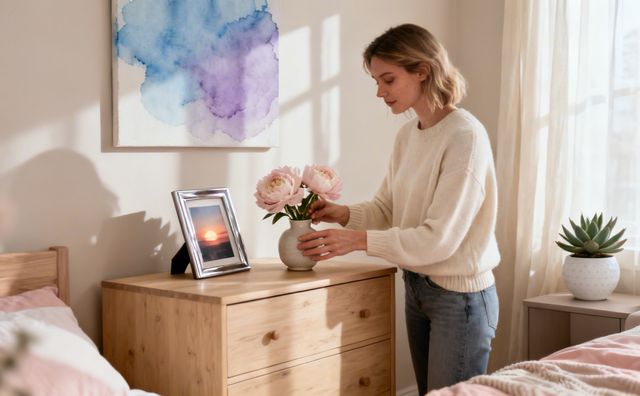
I want my bedroom to feel personal and rooted in what I love, not just like a
showroom, so I add a few quiet items that bring me peace. A single framed photo
of a special memory can warm my heart without crowding the wall. I might place a
small cross, a Bible, or another devotional item on my nightstand to remind me
of God’s presence and care as I fall asleep and when I wake. A favorite vase,
even with simple greenery or a single flower, adds a gentle touch of beauty and
life. I keep these items few and meaningful so the room feels like my own safe
nest.
Plants can do a lot for the feeling of a room, so I use low-maintenance ones
that are easy to care for. Simple choices like snake plants, pothos, or peace
lilies can help clean the air and add a fresh, living touch without demanding
much time. I place them where they can get a bit of natural light but will not
be knocked over easily. The sight of green leaves when I wake up or come to bed
makes the room feel more alive and less stale. Even one or two small plants can
change the mood of the space in a gentle way.
Artwork has a strong impact on my emotions, so I choose one main piece above the
bed that soothes me rather than excites me. I like soft landscapes, peaceful
water scenes, or simple abstract art in calm colors instead of busy, loud
designs. When I look at this piece, I want to feel my shoulders drop and my
breathing slow, not my heart racing. Having one main artwork instead of a big
gallery wall keeps the visual field simple and easy to take in. This single
focus helps my mind settle rather than jump from image to image.
To keep the room from feeling crowded or chaotic, I avoid filling every surface
with decor, even if the items are pretty. I leave breathing space between
objects on the dresser and nightstands so each piece I do choose can be noticed
and enjoyed. This also makes dusting and cleaning much easier, which means I am
more likely to keep up with it. When surfaces are not overloaded, the room looks
calmer and more spacious. In a restorative bedroom, meaning matters more than
quantity, so I focus on a few items that truly speak to my heart.
Budget-Friendly Upgrades and Simple DIY Projects
Creating a restorative bedroom does not have to cost a lot of money, so I often
start with small, smart swaps. Changing pillow covers to softer colors, adding a
cozy throw at the end of the bed, or repainting one or two walls in a calm shade
can make a big difference. These updates can shift the whole feeling of the
room, even if the furniture stays the same. I watch for sales or shop simple
basics so I can refresh the space without strain. Step by step, small changes
build a more peaceful and inviting bedroom.
If I enjoy crafting, I use simple DIY projects to bring character into the room
on a small budget. Making a macramé plant hanger, painting old nightstand knobs,
or finding a thrifted frame and filling it with calming art or a printed Bible
verse can all add charm. These projects help me slow down and use my hands,
which is restful in itself. Knowing that I created part of the room with my own
effort gives the space more meaning than just buying everything new. It also
keeps me from chasing every trend, because my handmade pieces feel personal and
rooted.
Even with small budgets, I believe in choosing a few key investments that
directly affect my sleep before spending on trendy decor. A supportive mattress,
quality pillows, and blackout curtains or a good eye mask can change my actual
rest more than any cute accessory. When money is limited, I put it toward these
comfort items first, then slowly add decorative touches as I can. I remind
myself that a truly restorative bedroom is about how I feel when I wake up, not
only how the room looks in a picture. Wise priorities help me build a space that
serves my health for years, not just a season.
I also like to refresh my bedroom with the seasons using simple, affordable
changes instead of full makeovers. In warmer months, I might use lighter throws,
crisp pillow covers, and maybe a small vase of fresh greenery or flowers. When
the weather turns cold, I bring out thicker blankets, deeper colors, and maybe a
different rug to add extra warmth. These small shifts keep the room feeling
fresh and cared for, which keeps me from growing bored and starting expensive
overhauls. Seasonal updates remind me that my bedroom is a living space that can
gently grow and change with me.