
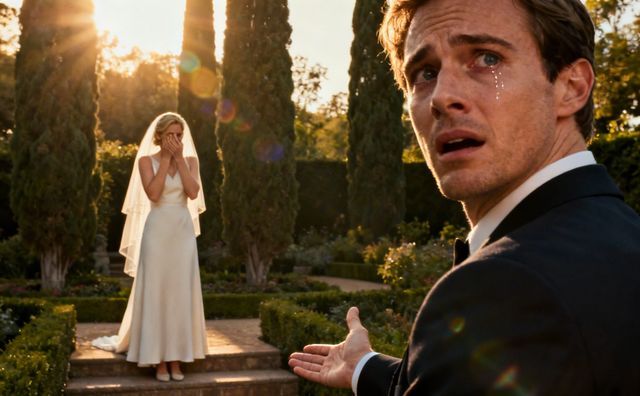
First Look Moments: Private Pre-Ceremony Connections
Capture the Magic Before “I Do”
Why a First Look? Background and what it really means
A first look is a planned private moment when the bride and groom see each other
for the first time on their wedding day before the ceremony begins, and instead
of waiting to lock eyes at the end of the aisle, you meet somewhere quiet, turn
toward each other, and let all the emotion wash over you without an audience
watching every move. In this moment you can cry, laugh, hug, and talk freely
because you are not trying to follow ceremony cues or stand a certain way for
guests. Usually the photographer and sometimes a videographer are the only
others present, and they stay a little back so you can focus on each other. It
is intentional and scheduled, not rushed, and it becomes its own special event
inside the wedding day. For many couples, this is the only time they are
completely alone together until the reception is over, so it can feel very
intimate and very real.
When I worked as a wedding photographer, I saw over and over how a first look
changed the emotional flow of the whole day, because instead of all the nerves
building up until you walk down the aisle, a big emotional release happens
earlier and the two of you get to let some of that pressure go. Couples who
chose a first look were usually calmer for the ceremony itself, since they had
already seen each other, hugged, and maybe shed a few tears in private. This
calm carried into the portrait time later, because we were not racing the clock
quite as much and the couple did not feel pulled in a thousand directions. The
day felt less like a performance and more like a story unfolding, and I could
see their shoulders relax and their smiles soften in a way that really showed in
the photos. That early connection often set a peaceful tone for everything that
followed.
In the past, most couples did not see each other before the ceremony, and that
tradition grew from very different times and reasons, including arranged
marriages where families did not want the groom to back out if he did not like
what he saw before the vows. Over time it turned into a romantic idea that the
bride should stay hidden until she walks down the aisle, and many families still
cherish that classic movie-style reveal. Today, though, couples have much more
freedom to shape their day, and a first look has become a normal option instead
of something unusual or rebellious. It really comes down to what you value:
keeping the surprise for the ceremony or choosing a more private, personal
reveal earlier. Neither choice is wrong, but they give you two very different
emotional experiences.
Because a first look shifts when and how you see each other, it also impacts
your wedding timeline, your family’s expectations, and the emotional weight you
put on the ceremony itself. If you do a first look, you will likely schedule
portraits and some family photos before the ceremony, which changes when hair
and makeup must be finished and when everyone needs to arrive. Some parents or
grandparents might be surprised or even disappointed if they expected the
traditional aisle reveal, so you may need to explain your decision ahead of time
and help them understand your reasons. The ceremony can feel slightly more
peaceful and less like a big surprise, since the two of you have already had
your tears and gasps in private, and for some couples this is a blessing while
others really want that dramatic moment in front of everyone. Thinking through
these ripple effects early helps you design a day that truly fits your
personalities and your priorities.
With the brides I’ve helped, the main reasons they choose a first look are the
desire for privacy and the need to feel emotionally ready before all eyes are on
them, because walking down the aisle can be overwhelming if you tend to be shy
or anxious. A private reveal gives you a safe place to cry without worrying
about your makeup or whether guests can see every expression on your face, and
it lets you say the words on your heart without a microphone nearby. You can
look at your groom, touch his hands, and really take in how he looks without a
pastor starting the ceremony right away. Many brides tell me this moment helped
them settle their hearts, remember why they were there, and walk into the
ceremony feeling peaceful instead of panicked. For a lot of us, that sense of
calm is worth more than the surprise factor of waiting until the aisle.
Pros and Cons: How a first look can shape your wedding day
One of the strongest benefits of a first look is how much it calms nerves and
gives you meaningful time alone together before the swirl of guests and events
begin, because from the moment the ceremony starts you are surrounded by people,
music, and schedules. When you carve out this quiet space early, you have a
chance to breathe deeply, hear each other’s voices, and remember that this day
is about a covenant, not just a party. Many grooms who were very tense in the
morning visibly relax once they see their bride, touch her hands, and realize
she is right there with them. As a result, the rest of the day feels less like a
stage performance and more like a shared journey you are walking together, side
by side. That private connection often ends up being one of the most treasured
memories of the whole wedding day.
One possible downside of doing a first look is that it can soften the emotional
impact of the ceremony “reveal,” since the two of you have already seen each
other in your wedding clothes and processed a lot of your feelings in private.
Walking down the aisle will still be beautiful and meaningful, but it might feel
more like a continuation of your earlier moment instead of a big shock or
surprise. Some brides miss that dramatic reaction from the groom at the altar
that they have pictured for years, especially if many relatives are hoping to
watch his face as he sees her for the first time. If that front-of-everyone
reaction means a lot to you, you need to think carefully about whether a first
look will take away from that experience. There is no right answer; it is just
important to be honest about what your heart is hoping for.
Another strong benefit is how a first look usually leads to better light and
more relaxed portraits, which can save a lot of time and stress after the
ceremony when guests are waiting and the sun may be harsher or already setting.
By seeing each other earlier, you can schedule couple photos during softer
light, such as late afternoon, and you are not rushing through poses because
cocktail hour is already halfway over. You have time to move to a pretty spot,
adjust your dress, and let natural interactions happen, which always look nicer
than stiff, hurried smiles. Later, after the ceremony, you are free to join your
guests sooner or take only a few quick extra photos. Many couples love that they
do not have to disappear for a long photo session while everyone else is
enjoying the reception.
A real drawback to consider is how family members who treasure tradition might
feel if you choose a first look but do not include them or at least explain your
decision, since they may have dreamed for years of seeing that aisle moment with
everyone gasping together. Parents or grandparents can sometimes feel left out
if they learn at the last minute that you already saw each other and cried
together without them nearby. If your family is very traditional or emotional,
there might be some hurt feelings or confusion unless you take time to share why
you are choosing this route and maybe give them their own special reveal moment.
I have seen tensions ease quickly when a bride simply communicates ahead of time
and shows respect for those expectations even while making a different choice.
Clear conversations now often protect relationships later.
When I walk couples through this decision, I always encourage them to weigh
three main areas: their personal feelings, their family dynamics, and their
photography needs, because all three play a real part in how the day will feel.
Your feelings matter first, since you and your groom are the ones entering a
lifelong covenant, and you need to ask yourselves whether you will feel more
peaceful or more disappointed by seeing each other early. Next, think honestly
about your parents and close relatives, and decide how much their expectations
will affect the joy of the day and what kind of conversations you are willing to
have. Finally, talk with your photographer about light, locations, and timing,
so you understand what you gain or lose in your photo gallery by choosing or
skipping a first look. When those pieces are on the table, most couples can see
clearly which option truly fits them best.
Timing and logistics: Where to fit a first look in your timeline
For timing, I usually suggest couples schedule the first look about 60 to 90
minutes before the ceremony start time, which gives enough room for the reveal
itself, couple portraits, and any travel between locations without feeling like
you are sprinting. If your venue and photo spot are close together, 60 minutes
can work well, but if you need to drive or walk a distance, plan closer to 90
minutes so you are not late to your own ceremony. You also want a little extra
time in case someone needs a quick bathroom break or a calming moment if
emotions run high. Starting too late can create a rushed, frantic mood that
steals some of the sweetness from this special time, so it is better to begin
early and then have a few quiet minutes to rest before walking down the aisle.
Before the first look, you need a small window set aside for hair touch-ups,
veil adjustments, and a quick head-to-toe wardrobe check for both of you,
because the camera will notice details that guests might miss. I always tell
brides to plan at least 10 to 15 minutes between finishing makeup and starting
the first look so there is time to blot shine, smooth flyaways, and secure the
veil firmly. The groom should also check his tie, collar, boutonniere, and shoes
to make sure everything is straight and clean, since close-up photos show every
wrinkle and smudge. Doing this check in a calm, unhurried way helps you feel
confident and prevents little distractions, like a twisted strap or lipstick on
teeth, from stealing focus during the emotional moment. It is a small investment
of time that pays off in both peace of mind and polished photos.
Transportation is another piece many couples forget to plan well, but it can
make or break your schedule on the day, so think carefully about where your
first look, portrait location, and ceremony site are in relation to each other.
Choose spots that are within a short, simple drive, and consider traffic
patterns or tricky parking if you are in a busy city. It is wise to keep
everything as close as possible rather than chasing a dreamy location that is 45
minutes away, because long travel times add stress and eat up your light. Make
sure your driver or shuttle company knows exactly when and where to pick you up,
and give yourself a few extra minutes for loading and unloading big dresses or
older relatives. Planning these details ahead means you can enjoy the ride
instead of watching the clock in a panic.
Once your plan is set, share a clear written timeline with your planner,
photographer, and any key family members so everyone knows when the first look
happens and where they should be, which helps prevent awkward surprises or
interruptions. I like to print a simple schedule that shows hair and makeup end
time, first look time, portrait window, and when we need to line up for the
ceremony. Your photographer and planner can help fine-tune the order so light
and logistics make sense. Giving this timeline to parents and the wedding party
also keeps them from wandering off at the wrong moment or accidentally walking
into your private space during the reveal. When everyone understands the flow,
the day feels organized and peaceful instead of scattered and confused.
Picking a private location that feels sacred and safe
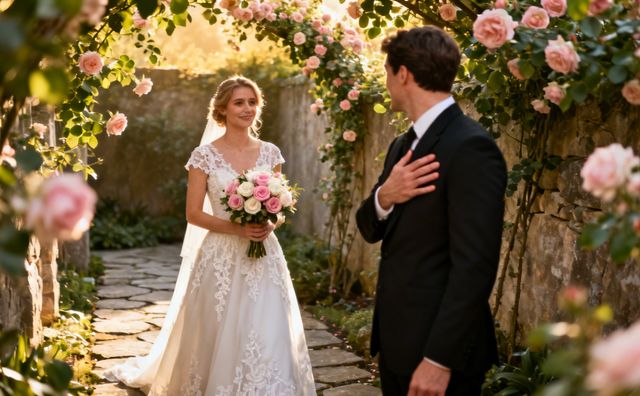
When I look for first look spots, I almost always gravitate toward quiet,
natural-feeling areas like gardens, shaded courtyards, or a softly lit stairwell
tucked inside a pretty venue, because these places give you privacy and gentle
light. Trees, vines, or stone walls can frame you in a lovely way without
feeling too staged or fancy. Indoors, a wide staircase or hallway with big
windows can be surprisingly beautiful, as long as the light is soft and even. I
want you to feel like you can breathe and move comfortably, not like you are
standing in the middle of a busy lobby. Simple, peaceful spaces tend to let your
emotions shine, and those are the images that feel timeless years later.
Privacy is extremely important for a first look, so I always check the area
ahead of time for onlookers, windows, and possible passersby, because even a
small audience can make you feel self-conscious and hold back your real
emotions. If your venue has public access or shared spaces, ask your planner or
coordinator how busy those spots usually are at your chosen time. Sometimes we
hang a simple “Do Not Enter” sign or have a bridesmaid quietly guard a hallway
for ten minutes so the moment can stay truly yours. Think also about balconies,
hotel windows, or open doors where people might peek in without meaning any
harm. A little effort to shield the space makes a huge difference in how free
you feel to cry, laugh, or whisper private words without worrying who is
watching.
When you choose your setting, it also helps to think about how it matches your
dress, your colors, and your overall wedding style so the photos from your first
look flow nicely with the ceremony and reception images. A romantic lace gown
looks lovely in a garden or by an old stone wall, while a sleek modern dress
pairs well with clean architecture or a bright, minimal hallway. If your wedding
has a rustic theme, a barn doorway or tree-lined path might fit better than a
marble staircase, and if your colors are very bold, a neutral background will
help you stand out. Matching the mood of the place to the mood of your day keeps
your photo gallery from feeling random and makes your album tell one connected
story. When dress, location, and style all line up, the images feel natural and
intentional instead of forced.
Preparing emotionally: what to say (or not say) and how to steady each other
Before the wedding day, I encourage couples to decide what they actually want to
do during the first look moment itself, whether they want to speak softly right
away, pause in silence, or maybe pray together, and the best time to talk about
this is privately in the week leading up to the wedding. Knowing ahead of time
if you plan to share written notes, say personal vows, or simply hold each other
for a minute will help you feel less awkward when you finally turn around. If
you want to pray but your groom is shy about praying out loud, you can agree
that one of you will lead, or that you will both pray silently while holding
hands. Making these choices early does not kill the emotion; instead, it gives
you structure so you can relax and actually feel the moment instead of wondering
what you are supposed to do.
During the first look, your emotions may surge quickly, so I always tell brides
to slow their breathing and focus on looking into his eyes instead of fussing
over dress details or worrying about how they appear to others, because eye
contact keeps you grounded and present. Taking a few deep, slow breaths through
your nose and out your mouth can pull your mind away from the chaos of the day
and back to the simple truth that you are marrying your best friend. When tears
come, let them fall; your photographer can fix mascara, but they cannot fake
real emotion. Remember that your groom is probably just as nervous, and your
steady gaze and calm breathing can steady him too. In that quiet exchange, you
often feel the noisy world fall away for a moment, and that is worth guarding.
Practical comforts matter more than you might think, so I always suggest having
tissues on hand and a small lap blanket or wrap if the weather is chilly,
because if you are shivering or sniffing constantly, it is hard to fully enjoy
the moment. Ask your maid of honor to keep tissues ready and to tuck a small
handkerchief or blotting paper into her dress or your bouquet handle. On cold
days, you can keep a warm shawl on your shoulders until right before he turns
around, then pass it back quickly so you do not arrive at the first look already
numb. Comfortable shoes for walking to the spot also help, and you can switch
into special heels once you arrive. These tiny details protect your focus,
letting the emotion be about your hearts instead of about being too cold or
worried about your nose running.
If your relationship is centered on faith, a short prayer together during the
first look can turn this from a simple photo moment into a sacred time that
anchors your wedding day around Christ rather than the crowd, and you do not
need fancy words or long speeches to make it meaningful. You might thank God for
bringing you together, ask Him to bless your marriage, and invite His peace over
the ceremony and your future home. Some couples like to each say a short prayer
out loud, while others prefer one person to pray while the other listens and
agrees quietly. Holding hands or resting your forehead against his while you
pray can deepen that feeling of unity under God. Years later, many Christian
couples tell me this was the moment they remember most clearly, because it
reminded them that their covenant is bigger than just the two of them.
Photography tips from an ex-pro: lighting, angles, and candid cues
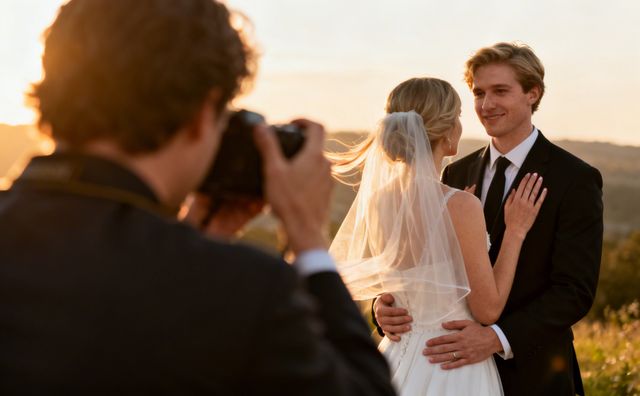
When you talk with your photographer, be clear that you want a mix of candid
emotions and a few composed shots, because this helps them plan how to move and
where to stand, and I personally like to start with wider angles and then slowly
move into close-ups. The wide shots show the whole scene, your surroundings, and
the way you walk toward each other, which tells the story of the moment. After
the initial reaction, I step closer for tight frames of your hands, faces,
tears, and smiles. By stating your preferences up front, you give your
photographer freedom to work creatively while still honoring what matters most
to you. This balance usually gives you a gallery that feels both real and
beautifully polished.
Lighting can make or break your first look photos, so when possible, aim for
soft light in the morning or late afternoon, and try to avoid harsh midday sun
that creates heavy shadows and squinting eyes. Direct overhead sun can leave
dark circles under the eyes and make white dresses blow out in photos, while
gentle, angled light is much more forgiving. If your schedule forces a midday
first look, ask your photographer to find shade under trees, in a courtyard, or
along the side of a building to soften the light. Cloudy days are actually a
blessing, because the clouds act like a natural diffuser and give you even light
almost anywhere. Planning your timeline with light in mind is one of the
smartest things you can do for beautiful images.
To draw out natural reactions instead of stiff poses, I often use simple prompts
like asking the bride or groom to tell one thing they are thankful for in the
other person, or to share a favorite memory from their dating years, because
spoken gratitude almost always leads to real smiles and sometimes tears. These
prompts give you something meaningful to focus on besides the camera, and they
remind you why you love each other in the first place. When a groom whispers how
he has prayed for this day or mentions a hard season you walked through
together, I see the bride’s whole face soften. You are not acting or faking; you
are genuinely connecting, and the camera just happens to be there. Those are the
moments that feel alive when you look back years later.
After the initial wave of emotion settles and you both feel a little more
composed, I recommend doing a brief round of simple portrait poses, because you
already look connected and relaxed, and this is the perfect time to capture
classic images for your walls and albums. We might move you slightly to better
light or a prettier background, then guide you into a few timeless positions
like standing close with arms around each other, walking hand in hand, or
sitting together on a bench. Since the heavy feelings have already been
expressed, you usually feel less self-conscious and more able to follow gentle
direction. These portraits tend to look romantic but not stiff, because the
tenderness from your first look is still fresh in your body language and
expressions. In the end, you get both the raw and the refined sides of your love
story.
Who to include: private moment or small audience?
Over the years I have seen brides make different choices about who, if anyone,
joins them during the first look, and most land somewhere between a strictly
private moment and a tiny circle that might include parents or a few attendants.
A completely private first look keeps the focus solely on the two of you and can
feel deeply intimate, which many introverts really appreciate. On the other
hand, inviting just your mom, dad, or maid of honor to watch from a distance can
give them the joy of witnessing this milestone without crowding the space. The
key is recognizing that each option creates a different emotional feel, and
being honest about what you and your groom are most comfortable with.
If you decide to include family or members of the wedding party, it is very
important to set guidelines about who is allowed to be there and whether they
may take photos or use their phones, because too many people or devices can
quickly turn a gentle moment into a chaotic scene. I suggest making a short list
of names ahead of time and sharing it with your planner and photographer so they
know who to expect. Ask your guests to stay slightly back and remain quiet so
their reactions do not distract you. You might also appoint one trusted person
to gently remind others to put phones away, especially if you want your
photographer to capture the scene without a wall of screens. Clear expectations
protect the mood you are trying to create.
No matter what you decide, I strongly recommend keeping the guest list tiny for
the first look so the experience stays personal and does not feel like a stage
performance, because every extra person shifts the energy of the space. When you
have eight bridesmaids, three parents, and several siblings hovering, the couple
often holds back tears or deep words because they feel watched and judged. A
smaller group, or none at all, gives you freedom to be honest and vulnerable.
Remember, your family will see you together all day long at the ceremony and
reception. The first look does not have to be another public event; it can be
one of the rare parts of the wedding that belongs almost entirely to the two of
you.
Ideas for meaningful poses and prompts to capture real emotion
For couples who feel awkward in front of the camera, a simple “slow walk-toward”
can make the first look feel natural, where both of you start several steps
apart and walk slowly toward each other, meeting in the middle for an embrace
that flows into whatever comes next. This movement gives your bodies something
to do besides just standing and staring, and it lets tension melt as you take
each step. Your dress will sway, his face will change as he sees you clearly,
and the whole scene feels like a little movie moment without being fake. When
you finally reach each other and hug, that contact often unlocks any stuck
emotion so you can really relax into the moment.
During the first look, little prompts can help draw out deeper connection, so I
often suggest ideas like whispering your favorite memory together or quietly
sharing one hope you have for your marriage day and beyond, instead of just
saying “You look nice.” When you invite your groom to remember that funny road
trip or the night you got engaged, his face lights up with a mixture of joy and
nostalgia that reads beautifully in photos. When you speak out a hope, like
promising to pray together or to build a peaceful home, it turns this time from
small talk into something with real spiritual and emotional weight. These gentle
questions are not about performing for the camera; they are about giving your
hearts a chance to speak in the middle of a very busy day.
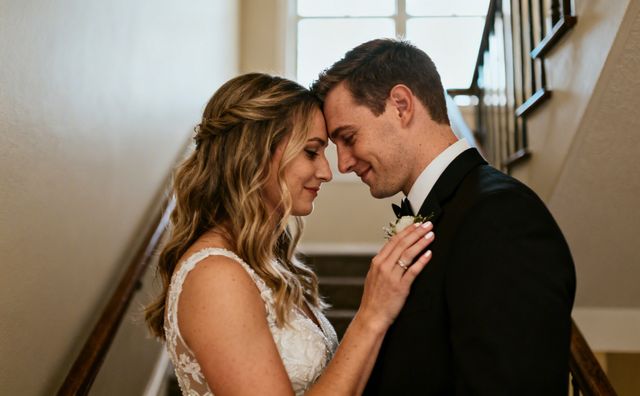
I almost always encourage couples to pause for at least one moment of simple
physical closeness, like holding hands and resting your foreheads together,
because this small posture carries a lot of tenderness and photographs in a very
timeless way. You do not need to say anything; just breathe the same air and
feel each other’s presence. This kind of pose works in almost any setting,
indoors or outside, and it does not require you to be models or to know what to
do with your arms. The closeness also helps calm nerves and can be a natural way
to move into a prayer if you choose to do that. Years down the road, these
quiet, close images often become the ones couples frame and keep in their
bedrooms.
While the first look is often tender and serious, I also recommend adding a few
playful moments, like a gentle spin where he twirls you by the hand or a shared
laugh over an inside joke, because joy is just as real and worth capturing as
tears. These lighter shots break up the intensity and show the fun side of your
relationship. A twirl lets your dress move and shows off the back details, while
laughter softens your face and helps you both unwind. You might walk toward the
camera, bump shoulders on purpose, or do a little dance step if that fits your
personalities. Having both emotional and playful images gives your album variety
and tells a fuller story of who you are together.
After the movement and laughter, I love to end the first look session with a
calm, classic portrait of just the two of you standing close and looking
slightly away from the camera, which creates a timeless, almost painterly
feeling. By this point you have released most of your nerves, so your posture is
relaxed and your expressions are soft. Looking just past the lens instead of
straight into it often keeps the image from feeling like a posed school photo
and instead lets it feel thoughtful and elegant. This kind of final frame acts
like a quiet exhale after all the emotion. It also pairs beautifully with more
dramatic or candid images in your final gallery, giving you something simple and
enduring to print large or use on thank-you cards.
Sample timeline and checklist for a calm first-look morning
To help you picture how a first look can fit into the day, here is a sample
timeline: at time zero the bride finishes final touch-ups for hair, makeup, and
getting into the dress; at plus 30 minutes the first look happens in your chosen
location; at plus 60 minutes you move into couple portraits while emotions are
still fresh; at plus 90 minutes you add in any necessary family portraits; and
at plus 120 minutes you and your groom head by shuttle or car to the ceremony
site with a little cushion built in. This structure keeps you from stacking
everything at the last minute and gives each part enough breathing room. You can
adjust these times earlier or later based on your ceremony start, but the flow
of touch-ups, first look, couples, family, then travel usually works very well.
A small but important checklist can keep your first look smooth: secure hair
pins and extra bobby pins, veil and veil comb, jewelry firmly fastened, tissues,
a backup bouquet or at least fresh water for flowers, phone turned off or on
airplane mode, and a printed copy of the timeline for your vendors and maid of
honor. Having extra pins and a comb nearby makes it easy to fix anything that
shifts during hugs or wind. A spare bouquet or some floral tape can rescue
blooms that wilt before the ceremony, especially in hot climates. Turning off
your phone protects you from last-minute texts that raise your stress. The
printed timeline keeps everyone on the same page, even if cell service is weak
or batteries die.
The day before your wedding, take a few minutes to confirm details with your key
vendors, especially the photographer, planner, driver or chauffeur, and venue
manager, so everyone knows exactly when and where the first look and portraits
will happen. Send them the final version of your timeline by email and, if
possible, give your planner or a trusted friend the job of keeping the schedule
on track. Ask your driver about pickup points, and make sure your photographer
understands any must-have shots during the first look, such as exchanging
letters or praying together. Clear communication ahead of time prevents
confusion and last-minute scrambling, which protects the peace you are working
so hard to create.
Finally, I always recommend building a short buffer into your schedule, maybe 10
to 15 minutes between each major part of the pre-ceremony plan, because
unexpected delays almost always pop up and a rushed bride is rarely a peaceful
bride. Someone might misplace a tie, a button could pop, or a sudden shower
might make you shift locations. When your timeline is packed too tight, small
surprises feel like big disasters, but with a little padding you can handle them
calmly and still arrive on time. This extra space also lets you sit down, drink
water, or simply enjoy a quiet moment with your groom after the first look
before stepping into the ceremony. A calm, rested heart shines more brightly
than any perfectly timed detail, and your guests will feel that peace as you
walk down the aisle.