

Screen-Free Family Activities: Reclaiming Real Connection
Creative Ways to Unplug and Bond as a Family
Why choose screen-free family time: background and big-picture effects
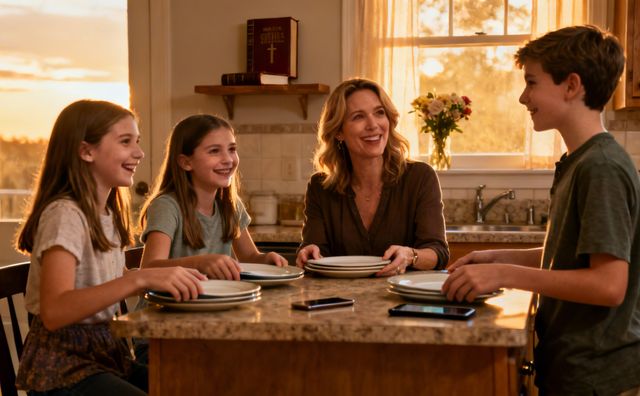
When our homes are filled with glowing screens, it may look peaceful on the
surface, but it often pulls our hearts and minds in a hundred different
directions at once, and I see that in myself and my kids when conversations get
shorter, attention wanders, and everyone seems just a bit on edge. Screens
encourage quick scrolling instead of slow listening, and that can fragment our
attention so much that we stop really seeing each other, even while we sit in
the same room. As a mom, I notice that when my children have been on devices too
long, they answer in one-word sentences, their eyes feel distant, and small
annoyances turn into big arguments. When my husband and I are checking our
phones during dinner, the kids learn that looking down at a screen is normal
during family time, and it cuts into the rich, wandering talks that used to fill
our evenings. Unplugging on purpose gives our brains and hearts a chance to
settle, so that we can look each other in the eye, finish our thoughts, and
actually enjoy the people God has placed in our home.
Researchers and experienced parents keep finding the same simple truth: when we
cut back on screens, especially in the late afternoon and evening, kids usually
sleep better, melt down less, and grow stronger emotionally. Blue light from
screens can confuse the body’s natural sleep rhythm, so kids who watch shows or
play games right before bed often have a harder time falling asleep and staying
asleep, which then shows up as crankiness the next day. Less screen time often
means more time for active play and face-to-face talk, and those are the things
that teach children how to read facial expressions, handle disappointment, and
calm themselves down. When our kids are not constantly entertained by
fast-moving images, they slowly learn how to handle boredom, which is where real
creativity and problem-solving skills grow. Over time, this leads to fewer
tantrums, better focus on schoolwork, and kids who can handle their feelings
without always needing a digital distraction.
For me, unplugged time is not just about health or behavior; it is deeply tied
to what I believe about family, faith, and how we should treat one another. As a
Christian mom, I see my home as a place where we practice kindness, respect, and
gratitude, and that is much easier to do when we are looking at each other
instead of at screens. When we choose screen-free hours, we are really choosing
to be fully present, to listen to stories from the day, to ask real questions,
and to show our children that they matter more than whatever is happening
online. I want my kids to grow up knowing how to hold a polite conversation, how
to wait their turn to speak, and how to listen with their whole attention,
because these are skills they will use in marriage, in church, and in their
future work. Screen-free family time becomes a way to pass on our values in a
natural, daily rhythm, not just through lectures but through shared life and
gentle habits of respect.
Families who build regular unplugged time into their weeks often notice big
changes over months and years, not just on a single quiet evening. When screens
are not always an option, parents find it easier to set clear rules about
homework, bedtime, and chores, and kids learn what to expect without constant
arguments about one more show or one more game. Many families report that they
feel closer, because there is more room for shared jokes, little family sayings,
and traditions that grow only when people actually talk and play together.
Calmer evenings usually follow, because there are fewer last-minute screen
battles and more predictable routines like reading, games, or simple
conversations before bed. Over time, children raised with regular unplugged
pockets of time tend to understand that technology is a tool, not the center of
life, and that sense of order can protect them from some of the chaos and
confusion that constant online life can bring.
In our house, choosing to unplug has led to more shared meals, more silly games,
and a lot more time outdoors, and I can see the difference in my children’s
growth. Dinner without devices means everyone shares at least one thing about
their day, and sometimes those talks turn into big questions about friends,
faith, or feelings that I might have missed if we were staring at screens. When
we play board games or card games after dinner, the kids practice patience, good
sportsmanship, and math skills without even knowing it, while we build memories
that will last longer than any show. Outdoor play, whether it is a walk around
the block, a soccer game in the yard, or a small garden, strengthens their
bodies, burns off extra energy, and gives them a sense of adventure and
confidence. These simple, old-fashioned moments are the soil where character,
resilience, and family bonds grow strong, and they do not cost a thing beyond
our time and attention.
Setting simple rules that actually work
The easiest way to begin cutting back on screens is to start very small,
choosing just one hour after school or after dinner where everyone agrees to put
devices away and try something else together. When we first tried this, I did
not announce a huge new rule; I simply said, “Tonight after dinner, we’re going
to have one screen-free hour and see how it feels,” which made it sound like an
experiment instead of a punishment. Once that hour felt normal, we slowly added
another one on a different day, and over time it became part of our rhythm, not
a fight. Starting small helps kids adjust, gives parents time to find activities
that work, and shows everyone that unplugging is possible, even in a busy,
modern life. Little by little, that one simple hour can grow into a regular
habit that shapes the whole evening in a calmer, more connected way.
Clear and kind family rules make screen-free time easier to follow, because
everyone knows when and where devices are allowed and what the exceptions are.
In our home, we set simple guidelines like no phones at the table, no TV during
homework, and screen-free time after a certain hour, and we stick to them as
best we can. We also talk through exceptions ahead of time, such as using a
device for homework research or answering an urgent phone call from a family
member, so the kids do not feel surprised or cheated. Writing these rules on a
paper and posting them on the fridge helps us remember and keeps me, as a mom,
from changing things in the heat of the moment. When rules are steady, kind, and
explained clearly, children are more likely to respect them, even if they
grumble a little at first.
Instead of just announcing the new limits from above, I have found it powerful
to sit down and make a short family agreement, so the kids feel like they are
part of the plan. We gather around the table, talk honestly about how screens
make us feel, and ask questions like, “What do you wish we did more of
together?” or “When does screen time feel like too much?” Then we work together
to write two or three simple promises, such as “We will keep devices off during
dinner” or “We will have one family game night each week without screens.”
Letting children suggest ideas and even decorate the paper with their drawings
gives them a sense of ownership, which cuts down on resistance later. A family
agreement turns the whole thing from “Mom’s new rule” into “our shared choice,”
and that small shift makes a big difference.
Nothing speaks louder than my own behavior, so if I want my children to respect
screen-free time, I have to be willing to put my own phone away first. When I
say “no screens at dinner” but sneak a look at my messages during the meal, my
kids notice, and the rule loses its power because they see that I do not really
mean it. On the other hand, when they see me plug my phone in on the counter,
turn off the TV, and give my full attention to the family, they understand that
this time is truly special. Modeling also means admitting when I mess up, saying
things like, “I got stuck on my phone earlier; I’m going to do better now,”
which teaches humility and honesty. Children learn what is normal from watching
us, so my choice to unplug is one of the strongest tools I have for building a
healthier screen culture in our home.
Morning routines to start the day unplugged

Mornings can easily turn into a rush of alarms, cartoons, and phone checks, but
I have learned that a calm, tech-free start sets the tone for our whole day. In
our home, we aim for a simple rhythm: we wake up, open the curtains, say a quick
thank-you prayer, and gather for a basic breakfast without any screens on. Even
ten or fifteen quiet minutes around the table, while everyone is still a bit
sleepy, can become a gentle space to ask what the day holds and to offer
encouragement to each child. When we keep devices off, no one gets lost in a
show or distracted by messages, and the kids move more smoothly into getting
dressed and packing their bags. A calm, screen-free morning is not perfect every
day, but when we protect it most days, the whole house feels less frantic and
more peaceful.
Because I follow a paleo-style diet, I keep our breakfasts simple, filling, and
as unprocessed as possible, which also happens to work well for busy families.
Some mornings we scramble eggs with a little leftover meat or vegetables from
dinner, other days we slice fruit like bananas and apples with a handful of nuts
on the side, and if dairy works for your family, plain yogurt with nuts or seeds
can be a quick option. Leftovers are my secret weapon; a bowl of last night’s
roasted chicken and vegetables heats up fast and keeps everyone full far longer
than sugary cereal. I try to prep a few things ahead, like washing fruit on the
weekend or boiling eggs, so that healthy choices are ready to grab. When
breakfast is simple and real, I spend less time cooking and more time talking
with my kids, which is the whole point of a screen-free start.
To help everyone wake up their bodies and hearts, we often add a short, active
routine to our mornings, which does not require any apps or devices. Some days
we stretch together in the living room for five minutes, touching our toes,
rolling our shoulders, and taking a few deep breaths to loosen the sleep from
our muscles. If we have a bit more time, one of us might walk the dog around the
block, or the kids might race each other to the corner and back while I watch
from the porch. We also like to spend a few moments in family prayer or simple
gratitude, going around the table and sharing one thing we are thankful for and
one person we want to pray for that day. These tiny habits build both physical
energy and spiritual grounding, helping our children learn that we begin our day
by moving our bodies, lifting our eyes to God, and connecting with each other
rather than staring at screens.
Hands-on games and low-tech activities for all ages
When we turn off the TV and put phones away, classic games suddenly feel
exciting again, and they are a simple way to pull everyone into the same
activity. Charades always gets us laughing as the kids act out animals, jobs, or
Bible stories, and even shy children can join in without needing to speak. Board
games and card games, whether it’s something as simple as Go Fish or a longer
game for older kids, teach turn-taking, strategy, and handling both winning and
losing with grace. On nights when we are too tired for rules, we sometimes do
storytelling rounds, where one person starts a story and each person adds a
sentence or two, creating wild and funny tales together. These games cost little
or nothing, yet they draw the whole family into shared fun, which is exactly
what screen-free time is meant to do.
Role-play and theater-style games are especially helpful for building kids’
confidence and creativity, because they invite children to step into someone
else’s shoes. We might pretend the living room is a grocery store, a doctor’s
office, or a faraway kingdom, and let each child pick a character to play, using
simple props like a scarf or a hat from our closet. Kids practice speaking
clearly, thinking on their feet, and showing emotions through their voice and
face, skills that will help them one day in school presentations and job
interviews. Sometimes we act out familiar Bible stories or history scenes in a
playful way, which makes those lessons more memorable and meaningful. These
make-believe moments give shy kids a safe space to try new roles and give
outgoing kids a healthy outlet for their energy, all while keeping devices out
of sight.
Crafts do not have to be fancy or expensive to be fun and meaningful, and I like
to start with whatever we already have in our drawers and recycling bin. Paper
garlands made from old magazines or colored scraps can decorate a room for a
special family night, and kids love cutting, folding, and taping their
creations. Hand-decorated storybooks are another favorite; we staple a few
sheets of paper into a booklet, and each child writes and draws their own story,
which we then read aloud together. Nature collages are easy after a walk; the
kids gather leaves, flowers, and small sticks, then glue them onto cardboard to
make pictures or patterns. These small projects train children to see beauty in
simple things, keep their hands busy in a peaceful way, and give us a chance to
sit side by side, talking as we create.
To keep our activities fresh and to give the kids a sense of control, we use a
“family activity jar,” which has become one of our most helpful tools. We start
by cutting small slips of paper and asking everyone to write or draw one
screen-free activity they enjoy, like “play charades,” “bake cookies,” or
“backyard soccer.” We fold the slips and place them in a jar, and on certain
evenings we let one child pull out a surprise activity for the whole family to
do. Every few weeks, we add new ideas or remove ones that we are tired of, so
the jar keeps changing as the kids grow. This simple habit turns the question
“What can we do without screens?” into a fun moment of discovery and lets the
children feel that they are helping lead our family time, not just following
rules.
Outdoor adventures and nature play

Some of our favorite screen-free memories come from the smallest outings, like a
neighborhood scavenger hunt, a tent set up in the backyard, or a short hike on a
nearby trail. A scavenger hunt can be as simple as a handwritten list of things
to find, such as a red flower, a smooth rock, a barking dog, or a yellow door,
which keeps kids alert and curious about their surroundings. Backyard camping
with a basic tent, flashlights, and perhaps a simple campfire or candle lantern
lets children taste adventure without leaving home, and bedtime stories feel
extra special under the stars. Short hikes in local parks or nature areas give
us a chance to walk side by side, hear birds, feel the wind, and move our bodies
without any screens buzzing in our pockets. These little adventures do not
require plane tickets or fancy gear, just a willingness to step outside and
explore together.
Time outdoors has a powerful way of lifting our moods, sharpening our focus, and
opening up space for real family conversations that do not happen as easily
inside. Fresh air and natural light help reset our bodies’ internal clocks,
which can lead to better sleep and calmer behavior in children. When we walk
without headphones and with phones tucked away, our minds relax a bit, and
topics that were hard to bring up at the table sometimes come out more naturally
on a quiet path. Nature’s beauty, whether it is a big sunset or a tiny bug on a
leaf, reminds us that the world is bigger than our screens and invites us to
wonder and gratitude. Walking and talking together like this has helped our
family work through worries, share dreams, and enjoy each other’s company in a
simple, peaceful way.
To deepen our time outside, I like to add small, kid-friendly nature projects
that turn simple walks into mini adventures in learning and creativity.
Birdwatching can start with nothing more than noticing shapes and colors, then
keeping a little notebook where the kids draw or describe the birds they see,
maybe giving them funny names if we do not know the real ones. Leaf rubbings are
easy and satisfying; we place a leaf under a piece of paper and gently color
over it with the side of a crayon, watching the veins and shapes appear like
magic. DIY nature journals can hold these drawings, along with pressed flowers,
short stories, or prayers inspired by what we see; over time, the journal
becomes a treasure of memories and discoveries. These gentle projects teach
observation, patience, and care for God’s creation, while giving our children
something to hold and look back on that is far richer than a quick photo on a
screen.
Creative projects: art, music, and building together
Group projects are wonderful for screen-free time because they draw everyone
into a shared goal, whether we are building something, remembering something, or
being silly together. Building a simple birdhouse from a kit or from scrap wood
lets kids use their hands, learn basic tools with supervision, and then watch
real birds enjoy the final result. Making a family scrapbook gives us a chance
to print out photos, collect ticket stubs or notes, and tell the stories behind
those moments as we glue them onto the pages. Composing a silly song together,
with each person adding a line or a verse, turns the living room into a stage
and can break tension on days that feel heavy. These projects remind our kids
that we do not just consume entertainment; we can create things that bless our
home and make us laugh.
When we work on these projects, I try to keep my focus on the process rather
than on how perfect the final product looks, because I know my children will
remember the time we spent together, not whether the lines were straight. If I
get too fussy about neatness or mistake-free work, the kids tense up and lose
the joy of trying something new. Instead, I praise effort, teamwork, and
creative ideas, saying things like, “I love how you solved that problem” or “You
really stuck with it when it got tricky.” When the glue is messy or the paint
drips, we laugh and keep going, reminding each other that this is our family’s
project, not a contest. This attitude gives kids the freedom to experiment and
fail safely, which is one of the greatest gifts we can give them.
Some of the best projects are the ones that stretch over several days or
weekends, because they teach patience and give everyone a chance to contribute
in their own way. We might decide to make a big family collage for the hallway,
collecting photos, drawings, and quotes over a few weeks before arranging them
on a poster board together. A longer baking project, like trying new bread
recipes each Saturday, can turn into a small tradition that the children look
forward to and help with at different stages. Even organizing a room or planting
a small garden can be turned into a weekend family project, with each person
having a simple, clear task to complete. These ongoing efforts show kids that
good things often take time and teamwork, and that finishing something together
feels deeply satisfying.
To keep things affordable, I lean heavily on simple, low-cost supplies, many of
which come from our recycling bin or basic art stash. Recycled cardboard from
boxes becomes the base for collages, play swords, dollhouses, or painted signs
for pretend stores. Glue, crayons, and a few inexpensive paints can turn almost
any scrap into art, and they do not require screens, batteries, or constant
updates. I keep a small box where I store useful bits like paper rolls, fabric
pieces, and buttons, so we always have material ready when inspiration strikes.
By showing our kids that creativity does not depend on buying fancy kits, we
teach them to see possibilities in the everyday things around them and to value
resourcefulness over constant shopping.
Family traditions and small rituals that stick
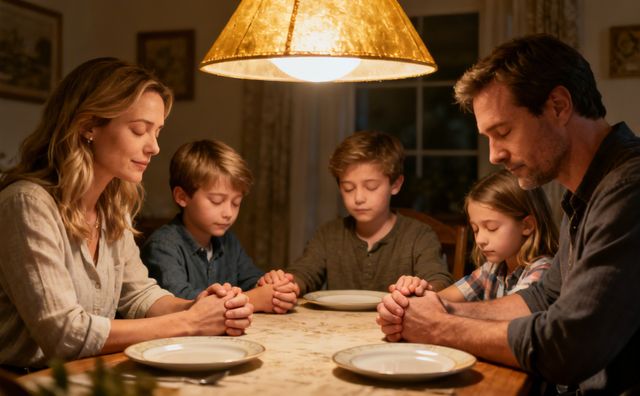
Our faith shapes how we spend time together, so we have built simple,
screen-free rituals that keep our hearts turned toward God and toward one
another. Before meals, we pause for a short family prayer, sometimes letting a
child lead, thanking the Lord for our food and for the people around the table.
Once a week, usually in the evening, we have a quiet story time with a Bible
passage or a children’s Bible story, followed by a few questions or a short
discussion, allowing the kids to share what stands out to them. On Sundays, we
often take a family walk after church, talking about the sermon or just enjoying
creation while we digest both food and truth. These gentle habits weave faith
into our normal days without needing any apps or videos, reminding our children
that God meets us in the ordinary moments of home life.
Music and food have a special way of building joy and memory, so we use both to
create traditions that our kids can look forward to every week. A special
Saturday breakfast, maybe with extra toppings for eggs or a favorite fruit,
turns an ordinary morning into a mini celebration that marks the start of the
weekend. We also like to have a weekly hymn sing or worship night, where we
gather in the living room, choose a few simple songs, and sing together, even if
our voices are far from perfect. Over time, the children begin to remember the
words and melodies, carrying those truths in their hearts for years to come.
These music and food traditions give our family a shared “taste and sound” of
home, stronger than any theme song from a show.
To help our children hold onto these moments as they grow, I like to document
our traditions in simple, screen-free ways that feel personal and lasting. A
basic photo album with printed pictures from family prayers, special meals, and
walks can sit on the coffee table, ready to be flipped through on a quiet
afternoon. We also keep a handwritten memory jar, where we jot down small notes
about funny moments, answered prayers, or special outings, then read them
together at the end of the year. Sometimes the kids draw small pictures instead
of writing words, which makes the jar even more precious. These records do not
require likes or comments; they are private treasures that remind us of God’s
faithfulness and the love we share as a family.
Low-tech travel and day trips that create memories
To make sure we do not slip back into staying home with separate screens every
weekend, I try to plan with intention, aiming for one device-free day trip each
month. This does not have to be fancy or exhausting; it might be a visit to a
local museum, a small farm, a historic site, or a nearby town we have never
explored. Before we go, we agree that phones will stay in my bag except for
necessary calls or one or two quick photos, so that we can actually notice where
we are. These outings give us something to look forward to and help our kids see
that fun and learning can happen without any screens involved. Over time, these
monthly adventures stack up into a rich collection of shared stories and inside
jokes that belong only to our family.
To keep kids engaged during these trips, I like to pack simple activity kits
that encourage them to look around and interact with the world instead of asking
for my phone. A small sketchpad and pencils let them draw what they see at a
museum, on a farm, or in a park, and we often laugh at their creative versions
of animals and buildings. A paper map, even if it is printed from the computer,
can become a checklist of places we visit that day, giving children a sense of
direction and accomplishment as they mark off each stop. Nature or city
scavenger lists, with items like “find a statue,” “hear a bird,” or “spot a
funny sign,” add a playful challenge to any walk. These low-tech tools turn kids
into explorers rather than passive watchers, and they make the day more peaceful
for everyone.
Making these trips affordable is important for us, so I look for budget-friendly
choices that still offer rich experiences and time together. State parks often
have low entrance fees and beautiful trails, lakes, or picnic spots where we can
spend hours without spending much money. Community events like festivals, free
concerts, or library programs can give us a full day of fun with almost no cost,
especially when we pack our own snacks. Visiting relatives or older church
members for an afternoon of storytelling, games, and shared meals is another
meaningful, low-cost option that also connects our children to their roots. With
a little research and creativity, we can fill our calendar with simple
adventures that strengthen family bonds instead of draining our bank account.
When planning a full day out, I have learned to think carefully about pacing,
especially with younger children, because tired, hungry kids can turn any outing
into a struggle. I build in regular rest stops, even if it’s just a ten-minute
break on a bench with water and a small snack, so that no one gets overwhelmed.
We try not to pack the schedule too tightly; instead of seeing everything, we
focus on enjoying a few things well, leaving time for unplanned play and
conversation. I also bring along familiar comforts, like a favorite blanket or
small toy, to help little ones feel secure in new places. By respecting our
children’s limits and planning for their needs, we make it far more likely that
everyone will come home with happy memories instead of tears and exhaustion.
Troubleshooting and staying consistent long-term
When we first cut back on screens, my kids did not cheer, and I had to be ready
with gentle fixes for their pushback, using negotiation and encouragement
instead of constant battles. Sometimes we agree to a short “test run,” such as
trying one screen-free evening each week for a month, so they know the change is
not forever if it truly does not work. I might also allow one small reward, like
extra story time, a favorite dessert, or letting them choose the family game, to
sweeten those first adjustments. As we begin to notice good results, such as
calmer bedtimes or fewer arguments, I make sure to point them out and celebrate,
saying, “Look how quickly you fell asleep tonight; I think our screen-free hour
really helped.” This positive focus keeps the conversation from being all about
loss and reminds the kids that these changes are for their good.
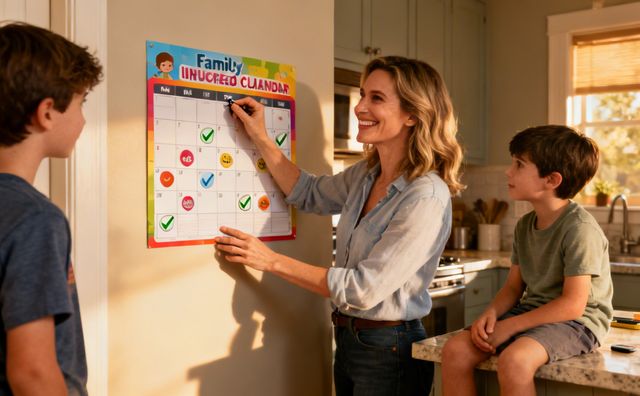
To keep everyone motivated, we like to track our progress on a simple chart or
calendar where the kids can see how often we have unplugged together. We mark
screen-free family nights with stickers or colored dots, and sometimes set a
small goal, like reaching ten in a month and then choosing a special outing or
meal. Watching the chart fill up gives children a sense of accomplishment and
turns the habit into a shared challenge rather than a private rule in my head.
It also helps me stay consistent, because I can see at a glance if we are
slipping back into old patterns. Over time, that little calendar becomes a
visual record of many evenings spent talking, playing, and praying together.
I remind myself often that new habits take time, and that consistency, not
perfection, is what shapes our family culture in the long run. There will be
days when someone is sick, we are traveling, or work demands push into our
evenings, and the screens might slip back in more than I would like. Instead of
giving up or calling myself a failure, I try to reset the next day and simply
return to our basic routines, knowing that steady effort matters more than a
flawless record. I also try to be patient with my children’s hearts,
understanding that they are growing up in a world where screens are everywhere
and learning to live differently can feel hard. When I choose patience and
persistence, I send the message that our goal is a healthier, more loving home,
not a list of rigid rules.
As I look back on our journey toward more screen-free time, I see how many
small, steady choices have slowly built the warm family life I longed for my
children to have. We did not transform everything in one week; we simply kept
choosing shared meals, walks, games, prayers, and projects over and over, even
when it felt easier to turn on a show. Now I hear more laughter in our home, see
deeper conversations at the table, and watch my kids create their own fun
instead of begging for devices. There are still messy days, but the overall tone
of our family life is calmer, kinder, and more connected. My hope in sharing our
story is that you feel encouraged to start where you are, make one small change,
and trust that God can use your simple, faithful choices to shape a beautiful,
screen-smart home for your own family.