
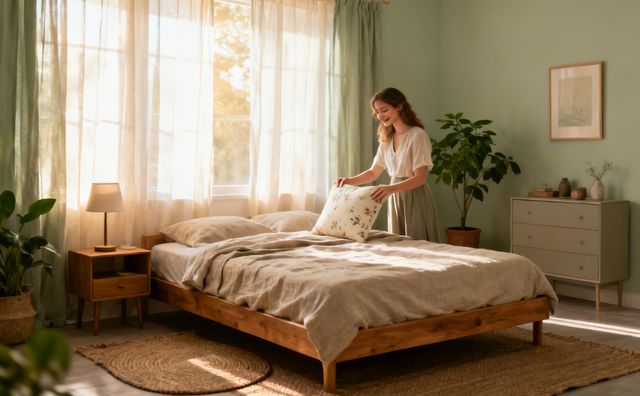
Harmonious Bedrooms: Balancing Rest, Beauty, and Function
Create a bedroom that truly supports your wellbeing and lifestyle.
Why Harmonious Bedrooms Matter
For me, the bedroom is far more than a place to crash at night; it is a private
refuge where I rest my body, quiet my mind, and draw near to God in prayer, so I
think of it as a little sanctuary inside my home, a space where I can step away
from the noise of the world and be renewed in peace and purpose.
Good sleep is not just a comfort but a real health need, and when my bedroom
supports deep rest, I notice that my stress drops, my immune system feels
stronger, and my mood and focus are much better the next day, which helps me
think clearly, work well, and care for others with more patience.
I also see my bedroom as a place to practice stewardship, because choosing
well-made pieces, keeping the room in good order, and using my resources wisely
shows respect for the home God has given me and the talents I use to create
beauty and function together.
A calm bedroom even shapes my social life and daily routines, since when I sleep
well and start my day in an ordered space, I am more ready to welcome guests,
stay on top of chores, and carry myself with a sense of quiet dignity, even if
no one else ever sees my room.
There is a strong emotional side too, because when my bedroom feels balanced and
thoughtful instead of chaotic, my anxiety lowers, my thoughts slow down, and I
feel more grounded, safe, and peaceful in the deepest part of my heart.
Start with Purpose: Assessing Needs and Priorities

Before I move even one piece of furniture, I like to list my daily habits in the
bedroom, such as where I read, how I get dressed, where I kneel or sit to pray,
and whether I ever do light work in bed, and then I plan the layout so that each
of these routines feels simple, natural, and unhurried.
Next I measure the whole room, writing down wall lengths and noting where the
door opens, where the windows sit, and where the outlets and switches are,
because knowing these details ahead of time keeps me from forcing furniture into
awkward spots or blocking light and airflow.
Then I choose one clear main function for the space, which for me will always be
sleep first, and I only allow secondary uses like reading or quiet study that do
not clash with rest, so I avoid turning the bedroom into a full office or media
zone that keeps my mind busy at night.
With those decisions made, I set my priorities, and at the top of my list are a
supportive mattress, gentle but effective lighting, and easy storage, because if
I can sleep well, see clearly, and put things away without stress, the whole
room works better and feels more peaceful.
Layout and Flow: Furniture Placement for Rest and Function
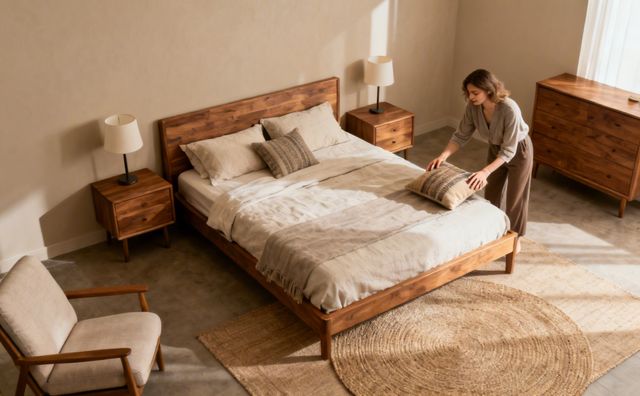
When I start arranging furniture, I place the bed first, since it is the main
piece, and I try to set it against the longest solid wall so it feels anchored
and secure, while keeping it away from noisy windows or doors so that sounds,
drafts, and passing light do not disturb my sleep.
I also make sure the pathways around the bed are clear enough that I can move
easily during the day and at night, so I aim for at least two and a half feet of
space on the sides and at the foot when I can, which keeps me from bumping into
corners or feeling cramped.
To keep the view from the bed simple and soothing, I balance the bigger pieces
of furniture, maybe with one dresser across from the bed and small, unfussy
nightstands beside it, because this arrangement creates a calm sightline instead
of a wall of heavy shapes and busy objects.
For extra calm, I like using a touch of symmetry, such as matching lamps on both
sides of the bed or two similar art pieces hanging evenly, since my mind relaxes
when things feel orderly and mirrored without being stiff or overly formal.
I also pay attention to corners and window walls, and I try not to crowd them
with large, bulky pieces, because when I keep tall wardrobes or big dressers off
the window wall, the room looks more open, the light spreads better, and I avoid
dark, cluttered pockets.
Color, Light, and Mood: Creating Calm and Warmth

When it comes to color, I keep my palette simple, choosing one neutral base like
cream, warm gray, or soft white for the walls or largest pieces, and then adding
one main calming accent like sage green, muted blue, or gentle terracotta, which
gives the room harmony without feeling flat or boring.
For lighting, I think in layers so that the room can match different needs, so I
use a soft overhead light for cleaning or getting dressed, then warm bedside
lamps for reading or journaling, and a very gentle night light or low lamp for
moving around safely without waking myself up fully.
I try to let in as much natural light as possible during the day by keeping
window treatments light and easy to open, and then at night I switch to warm,
dimmable bulbs so my body understands that it is time to slow down, which helps
my natural sleep rhythm and makes the room feel cozy.
I usually avoid very bright reds, strong neons, or harsh color contrasts in the
bedroom, because those bold tones can feel exciting or tense, and instead I
choose softer shades that let my eyes rest, so the space feels like a deep
breath instead of a busy street.
Textiles and Bedding: Beauty That Supports Sleep

Because sleep is so physical, I pay close attention to what touches my skin, so
I choose breathable fabrics like linen or cotton for my sheets and pillowcases,
since they help regulate temperature, keep me cool and dry, and feel comfortable
all year round, which matters a lot if I follow a natural, healthy lifestyle
like paleo.
I like to layer my bedding so that I can adjust to different seasons and
personal comfort, usually starting with a fitted sheet, then a top sheet if I
enjoy the extra layer, followed by a duvet or comforter, and a light throw at
the foot of the bed that I can pull up if I get chilly at night.
Pillows are very personal, so I select them based on how I sleep, using a
firmer, more supportive pillow when I lie on my back so my neck stays in line,
and a softer, slightly higher pillow when I sleep on my side so my shoulder and
neck do not feel strained in the morning.
For visual interest, I rely on a mix of textures instead of loud patterns, such
as pairing smooth cotton sheets with a nubby knit throw or a soft quilt, because
this adds depth and coziness while keeping the look calm, and it avoids the busy
patterns that can feel restless and distracting.
Storage, Decluttering, and Practical Beauty
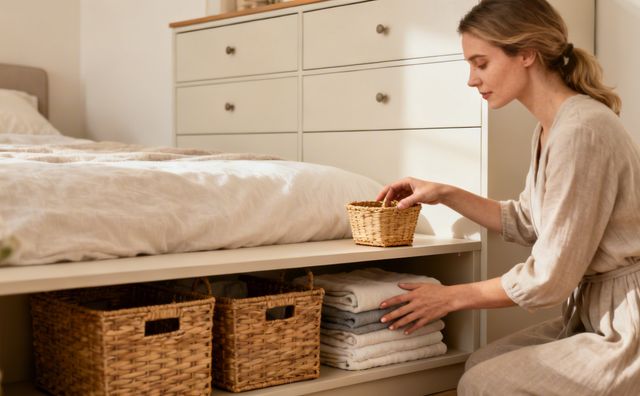
I treat storage as part of the design rather than as an afterthought, choosing
pretty woven baskets, simple under bed boxes, and a modest dresser so that
clothes, books, and small items can stay out of sight, allowing the room to look
clean and peaceful even when it is working hard behind the scenes.
To keep my closet and drawers from overflowing, I try to follow a one in, one
out rule for clothing, which means when I bring home a new shirt or dress, I let
go of another item, and this habit makes decisions easier, prevents clutter, and
encourages me to own only what I truly use and love.
I keep my flat surfaces mostly clear on purpose, allowing maybe one tray on the
nightstand for daily items like glasses or lip balm and one small box for
jewelry, because when every surface is not covered with things, dusting is
faster, and my mind feels calmer when I look around the room.
To protect the floor area and keep movement smooth, I use vertical space wisely,
adding low profile shelves or wall hooks where needed so I can store books or
decor up on the wall, which leaves the floor open and makes even a small bedroom
feel larger and more organized.
I also schedule a quick weekly reset, maybe ten to fifteen minutes once a week,
to put clothes away, clear surfaces, and toss any trash, and this little habit
keeps clutter from stacking up, so the bedroom stays restful and never becomes
the place where everything gets dumped.
Personal Touches: Art, Plants, and Quiet Reminders
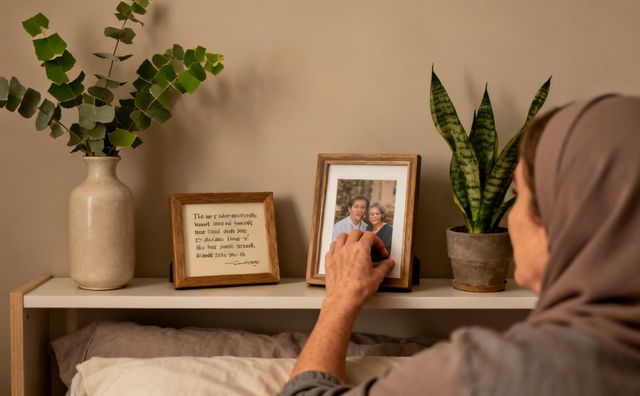
Personal touches matter to me, but I try to choose a few meaningful pieces of
art or photos instead of covering every wall, since a single framed print I love
or one family photo over the dresser speaks more clearly and avoids the visual
noise that comes from too many tiny items.
I also enjoy bringing in a bit of God’s creation through one or two easy care
plants such as a snake plant or pothos, which can handle lower light and do not
need constant attention, and these little bits of green add life, soften the
room, and even help the air feel fresher.
Because my faith shapes my rest, I sometimes include subtle reminders that lift
my heart without taking over the room, like a small framed Bible verse on the
wall, a simple cross on a shelf, or a quiet devotional book on my nightstand
that points my thoughts to the Lord before sleep.
To keep the space feeling fresh without adding clutter, I rotate seasonal
accents, maybe swapping one pillow cover, changing a throw blanket, or adding a
small candle with a new scent, and this small shift makes the room feel updated
and cared for without needing to store many decorations.
Nighttime Rituals and Technology Boundaries

A peaceful bedroom is not only about furniture; it is also about habits, so I
set a gentle bedtime routine that might include dimming the lights, reading
something encouraging, spending a few minutes in prayer, and avoiding screens at
least thirty minutes before sleep so my mind and body can unwind gradually.
I try to keep my phone out of easy reach, either on a dresser across the room or
inside a drawer, because when it is not right by my hand, I am less tempted to
scroll, and I avoid the bright blue light and constant alerts that make it
harder for my brain to settle down.
To help my body recognize that the day is ending, I use a small lamp with a warm
bulb or a candle, which can be a safe battery style or a real candle used
carefully, and I light it only during my wind down time so it becomes a clear
signal to my mind that it is time for rest.
I also keep a simple glass of water and a small notepad with a pen on my
nightstand, because if a worry or task pops into my mind, I can write it down
and let it go, and I do not have to get up or grab my phone, which helps me
relax and fall asleep more quickly.
Small Spaces and Shared Rooms: Making Harmony Work Anywhere
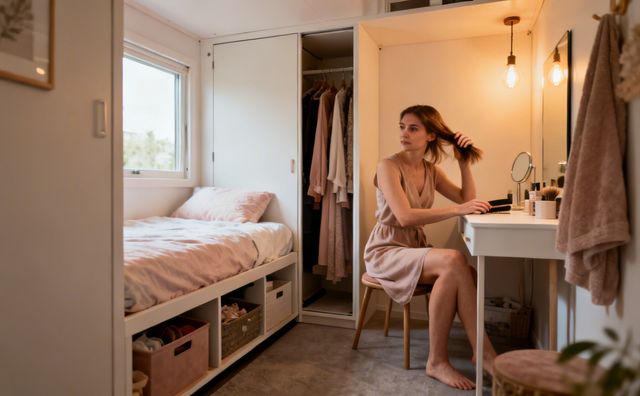
In smaller bedrooms, I rely on multifunctional furniture, such as a bed with
drawers underneath or a slim wardrobe with both hanging space and shelves, so I
can store what I need without filling the room with too many pieces that make
the space feel crowded and heavy.
To give the room more visual breathing space, I lean toward light colors on
walls and larger items and use vertical lines in curtains, headboards, or
shelving, which draw the eye upward and make the ceiling feel higher, helping
even a tight room seem taller and more open.
If I share a room or live in a studio, I sometimes use simple room dividers or
curtains to separate my bed area from a desk or sitting space, because even a
thin visual barrier can protect the feeling of privacy and make the sleeping
zone feel like its own little retreat.
Most of all, I adjust my expectations for a small room and focus on what I can
control, like keeping things neat, choosing a gentle and pleasant scent, and
using warm, layered lighting, because when those elements are right, even a very
small bedroom can feel welcoming, peaceful, and worthy of care.