
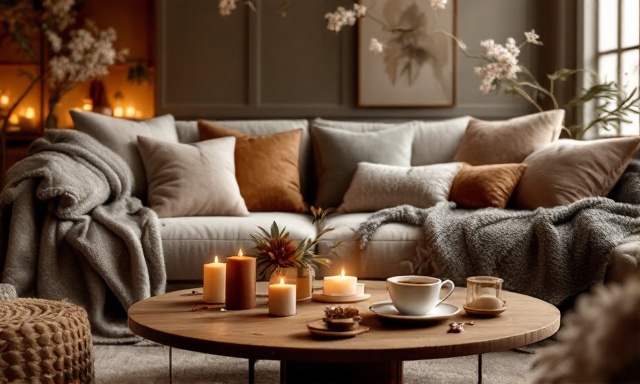
Sensory Design in Home Decor
Engaging All Five Senses
Understanding Sensory Design
When I first learned about sensory design, I was amazed at how our homes can
affect us through all five senses. It's not just about how a room looks - it's
about the textures we feel, the scents we smell, the sounds we hear, and even
the flavors we taste. Each sense plays a important role in how we experience our
living spaces, and smart design takes all of these into account to create rooms
that feel truly complete.
I've noticed that when I pay attention to all the senses in my home, it really
changes how I feel. A well-designed space that engages multiple senses can lift
my mood, help me relax after a long day, and make me feel more energized when I
need to be productive. It's like my home becomes a personal sanctuary that
supports my emotional well-being.
What's fascinating is that this isn't a new concept at all. Ancient
civilizations, from the Romans to the Chinese, understood that great design
needs to please more than just the eyes. They used everything from flowing water
features to aromatic gardens to create spaces that engaged all the senses. These
time-tested principles still work beautifully in modern homes.
Visual Elements That Delight
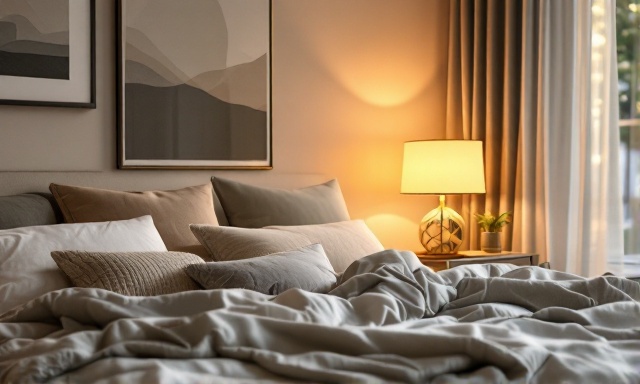
Color has such a powerful effect on how we feel in a space. In my experience,
warm colors like reds and oranges can make a room feel energetic and social -
perfect for living rooms and dining areas. Cool blues and greens, on the other
hand, work better in bedrooms and bathrooms where you want to feel calm and
relaxed. I always consider the purpose of each room when choosing its color
scheme.
Lighting is another game-changer in home design. I recommend layering different
types of lighting to match the time of day and your activities. Bright,
cool-toned lights work great for morning routines and task lighting, while warm,
dim lights help create a cozy atmosphere in the evening. Don't forget about
natural light - it's the best mood-booster of all!
Adding visual texture through patterns and artwork brings life to plain walls
and surfaces. I love mixing different patterns in complementary colors, like
combining geometric prints with organic shapes. The key is to vary the scale -
maybe a large floral print on curtains with smaller geometric patterns on throw
pillows. This creates depth and interest without being overwhelming.
Every room needs a star of the show - what designers call a focal point. This
could be a beautiful fireplace, a stunning piece of art, or even a view through
a window. When I arrange furniture and decor, I make sure everything points
naturally toward this focal point. It's like giving your eyes a place to rest
and appreciate the space around it.
The Power of Touch
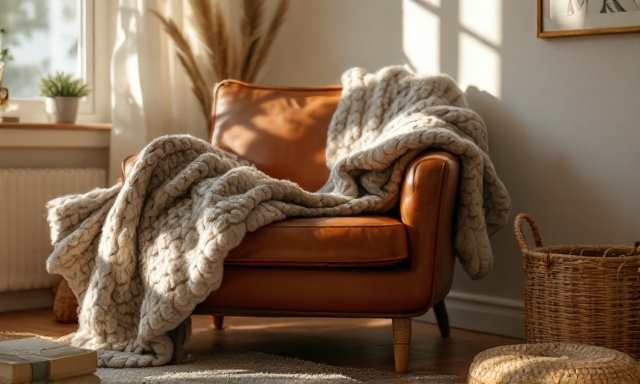
The way things feel when you touch them is just as important as how they look. I
always mix up textures in my rooms - maybe a smooth leather chair with a chunky
knit throw blanket, or sleek metal accents next to plush velvet pillows. These
contrasts make a space more interesting and inviting, encouraging people to
reach out and interact with their surroundings.
Natural materials have a special way of making a space feel grounded and
authentic. I love incorporating elements like rough stone, warm wood, and soft
cotton throughout my home. Each material brings its own character - wood adds
warmth, stone creates stability, and natural fabrics add comfort. These
materials also tend to age beautifully, developing more character over time.
Playing with contrasting textures creates excitement in a room. I might pair a
glossy ceramic vase with a rough-woven basket, or place smooth river rocks next
to fluffy sheepskin. These tactile contrasts wake up your sense of touch and
make the space more engaging. It's amazing how much more interesting a room
becomes when you can feel the differences under your fingers.
Scents and Sensibility
Each room in your home can have its own signature scent that sets the mood. I
like using lavender in bedrooms for relaxation, citrus scents in the kitchen for
energy, and warm vanilla or wood scents in living areas for comfort. The key is
choosing scents that aren't overwhelming but instead create a subtle atmosphere
that enhances the room's purpose.
Nothing beats the authentic fragrance of natural materials. I grow herbs like
basil and rosemary in my kitchen window, and place fresh flowers in living
areas. These natural scent sources not only smell wonderful but also look
beautiful and can be changed easily. Plus, they don't have any of the artificial
chemicals found in many store-bought air fresheners.
I've learned to change my home's scents with the seasons. In spring, I bring in
fresh floral scents; summer calls for light, clean fragrances; fall is perfect
for warm spices and apple; and winter welcomes pine and cinnamon. This rotation
keeps the sensory experience fresh and helps mark the passing of time in a
pleasant way.
The Sound of Home
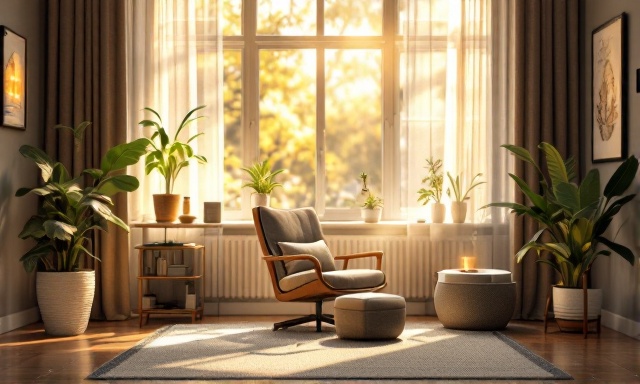
The way sound moves through your home has a huge impact on how comfortable it
feels. I use soft furnishings like curtains, rugs, and upholstered furniture to
absorb excess noise and prevent echo. Strategic placement of these items can
transform a harsh-sounding space into one that feels warm and welcoming.
Adding pleasant sounds to your home can create a more relaxing atmosphere. I
have wind chimes near my patio door that make gentle music when the breeze
blows, and a small water fountain in my living room. These subtle sound elements
help mask outside noise and create a peaceful backdrop for daily life.
Every home needs spaces where you can find peace and quiet. I've created
designated quiet zones in my home where sound is minimized through careful
design choices. These peaceful spots become perfect retreats for reading,
meditation, or just taking a break from the busy world.
Taste and Entertainment
A well-designed dining area should make you excited to sit down and enjoy a
meal. I've arranged my dining space with comfortable seating, good lighting, and
a table that's the right size for both everyday meals and entertaining. The
space should invite people to linger and enjoy not just the food, but the whole
experience.
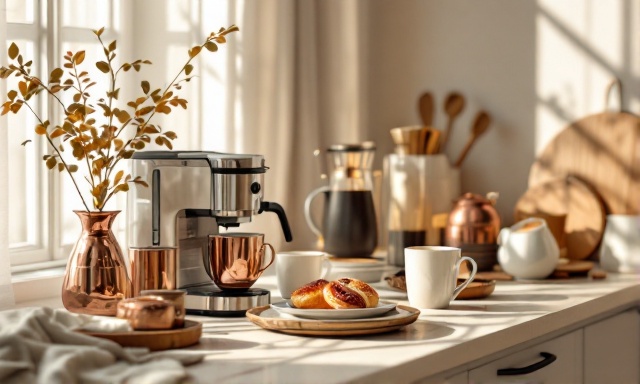
Beautiful cookware and serving pieces aren't just functional - they're part of
the sensory experience of eating. I keep my favorite pieces on display, from
copper pots to handmade ceramic plates. These items add visual interest to the
kitchen and make cooking and serving food more enjoyable.
The best homes have spaces that naturally bring people together around food.
I've created several spots where people can gather comfortably - a breakfast
nook for morning coffee, a kitchen island where friends can chat while I cook,
and a dining table that's perfect for sharing meals. These gathering spots
become the heart of the home where memories are made.